What Size Air Filter Does Your HVAC System Need in Nicholasville, KY?
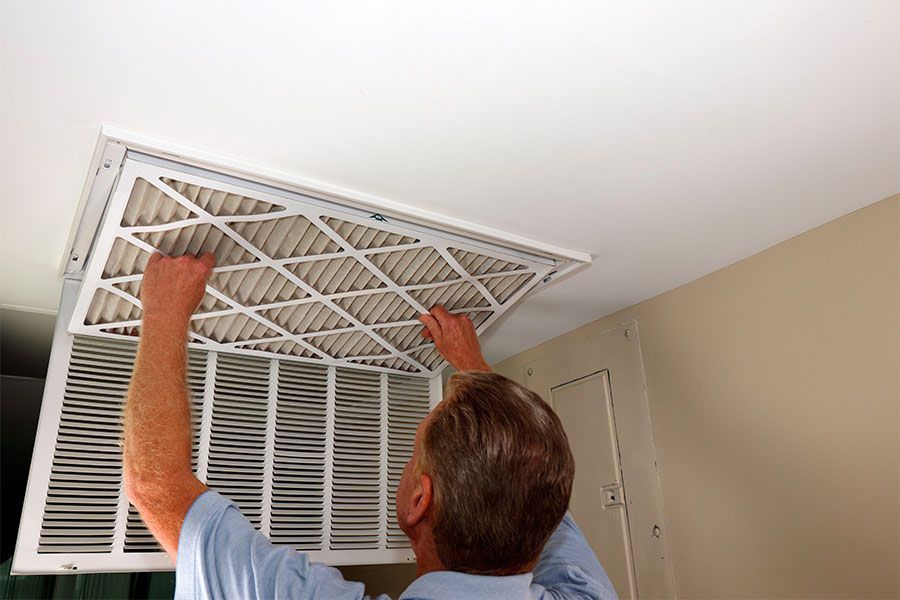
It seems like a simple question — what size air filter does my HVAC system take? — but it's one we hear regularly from Nicholasville, KY homeowners who've found themselves at the hardware store staring at a wall of options. Getting the wrong size is more consequential than it might seem: a filter that's too small creates gaps that allow unfiltered air to bypass it entirely, while a filter that's too large won't seat properly in the filter cabinet. Here's how to get the right answer quickly, and what to consider when you're selecting a replacement.
How to Determine the Right Air Filter Size
The most reliable source for filter dimensions is the existing filter in your system. Most filters have their dimensions printed on the cardboard frame: length x width x thickness. Standard residential filters are most commonly listed as nominal dimensions, which are slightly larger than the actual physical size, so always use the dimensions printed on the current filter rather than measuring the slot directly.
If you can't find a filter to reference, the filter slot dimensions printed in your system's owner's manual are the next best source. Your HVAC cabinet may also have the filter size printed inside the access door. For homeowners with older systems or those who aren't sure whether the current filter is even the right size, Watson Heating & Air's AC maintenance service in Nicholasville can confirm the correct filter specification during a service visit.
Common Air Filter Sizes in Nicholasville, KY
In the Nicholasville area, we see a range of standard filter sizes depending on the age and manufacturer of the installed system. The most common 1-inch filter dimensions are:
- 16x20x1 — very common in standard residential air handlers
- 20x20x1 — found in many mid-range systems
- 20x25x1 — common in larger or higher-capacity systems
- 16x25x1 and 14x20x1 — more frequently seen in older homes throughout Jessamine County
Thickness matters too. Many Nicholasville homes have systems designed for 1-inch filters, but there's a meaningful efficiency and longevity advantage to upgrading to a 4- or 5-inch media filter if your cabinet supports it. Thicker media filters last longer between changes and provide better particle capture. Consistent air filter replacement on the right schedule keeps the system performing as designed.
Factors That Affect Your Filter Size Selection
Beyond the physical dimensions, several factors shape the best filter choice for your specific Nicholasville home:
- HVAC system capacity: Larger systems with higher airflow ratings can handle filters with higher MERV ratings without airflow restriction; smaller or older systems may perform better with a mid-range MERV filter.
- Household conditions: Homes with pets, high dust levels, or allergy sufferers benefit from higher-MERV filters that capture smaller particles.
- Local environment: Nicholasville's proximity to agricultural areas means seasonal pollen and dust levels can run higher than in more urban settings, which affects how quickly filters load up.
- Filter access frequency: If the filter location is difficult to reach, a longer-lasting 4- or 5-inch media filter reduces how often you need to access it.
Signs You Might Need a Different Filter Size or Type
If you're changing your filter on schedule and still noticing issues, the filter itself may not be the right fit. Reduced airflow despite a clean filter can indicate that a higher-MERV filter is restricting airflow beyond what the system is designed to handle. Persistent dust on surfaces after filter changes can mean the filter dimensions aren't providing a proper seal and unfiltered air is bypassing it. Worsening allergy symptoms despite regular filter changes may indicate that the current filter type isn't capturing fine particles effectively.
Any of these patterns is worth discussing with a professional who can evaluate both the filter specification and the overall system condition.
How to Replace and Maintain Your Air Filter Properly
Filter replacement should always start with the system powered off. Remove the old filter, note the airflow direction arrow printed on the frame, and install the new filter with that arrow pointing toward the blower — not toward the return air side. Installing a filter backward significantly reduces its effectiveness.
For 1-inch filters in most Nicholasville homes, check the filter monthly and replace it when it appears gray and dense — don't wait for the scheduled date if it loads up early. For deeper media filters, quarterly checks and replacement every 6 to 12 months is typical, depending on household conditions.
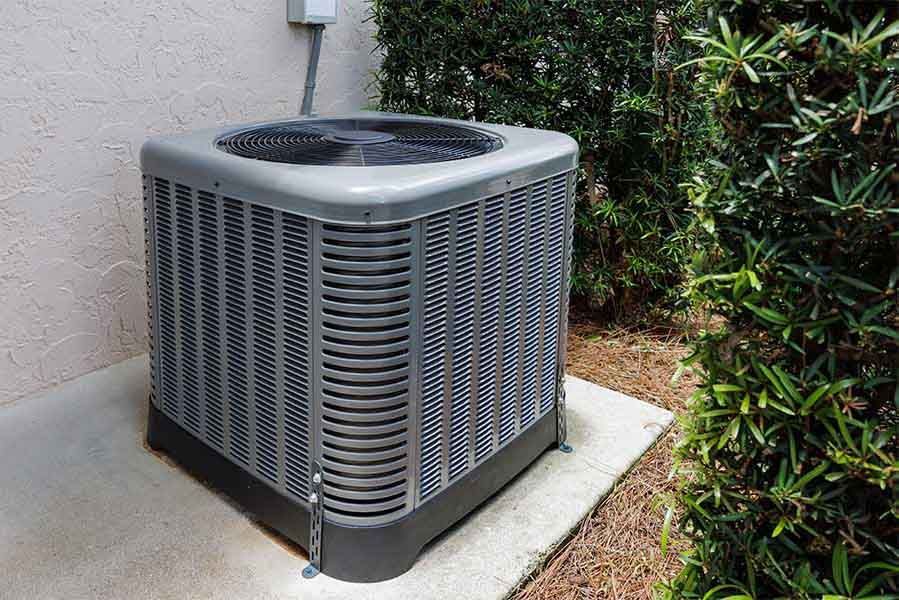
Get the Right Filter — and Keep Your System Healthy
A properly sized, regularly changed air filter is one of the most impactful things a Nicholasville homeowner can do for HVAC performance and indoor air quality. If you're unsure about your current filter specification or want a professional to assess your system's filtration setup, Watson Heating & Air is here to help.
Contact our team today to schedule a visit.