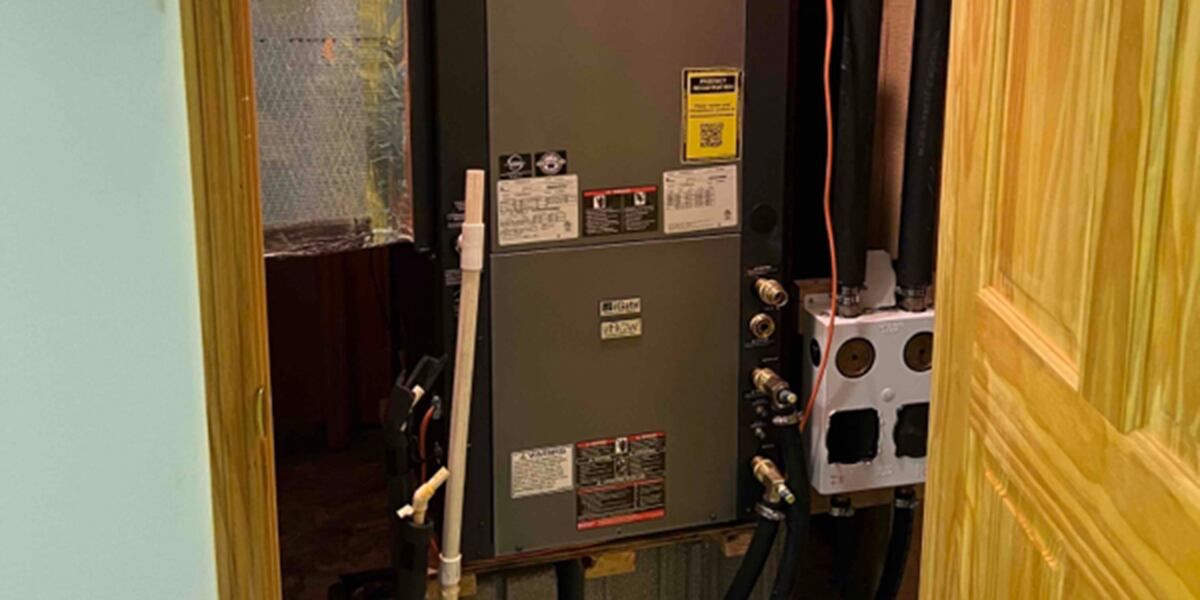
What Would Cause a Furnace Blower Not to Kick On?
The most common things that cause a furnace blower not to kick on are power and thermostat problems. A bad blower capacitor, a failing blower motor, or an open blower door safety switch can also stop it. Clogged filters and blocked ducts can also shut the blower down by overheating the motor.
A blower that refuses to turn on is the last thing you want on a cold night. Watson Heating & Air is a family-owned HVAC company serving Lexington since 2011. When you need blower repair, our furnace repair in Lexington team offers same-day service with upfront pricing.
Key Points
- Check the thermostat, breaker, and blower door before anything else.
- A weak capacitor or worn motor is a common reason a blower won't start.
- If the burners light but the blower doesn't, shut the furnace off to prevent overheating.
- Burning smells or grinding noises mean you should call a technician right away.
What Causes a Furnace Blower Not to Kick On?
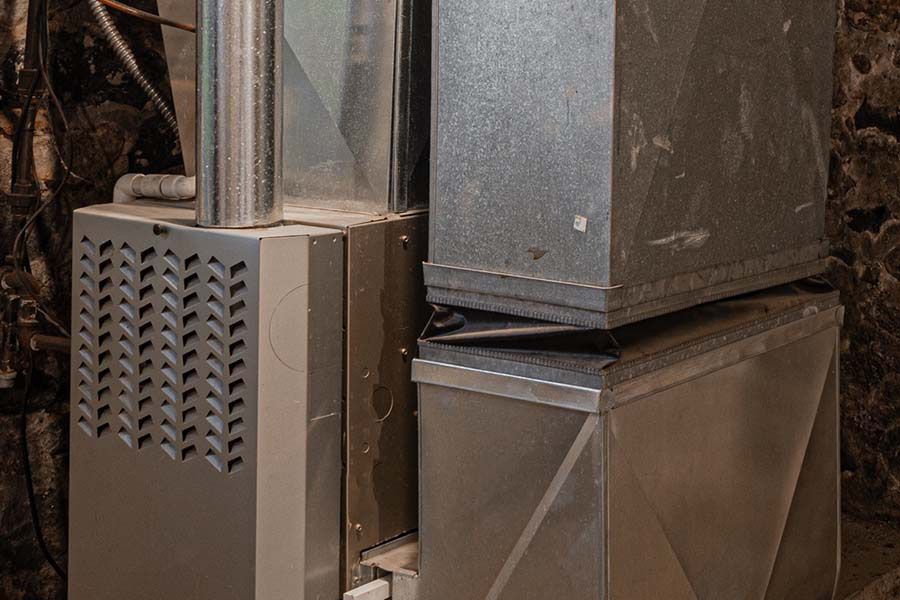
The furnace blower circulates warm air through your home, and several problems can keep it from starting. These are the most common causes of a furnace blower not to kick on:
- Electrical Issues: Faulty wiring or a tripped circuit breaker can cut power to the blower.
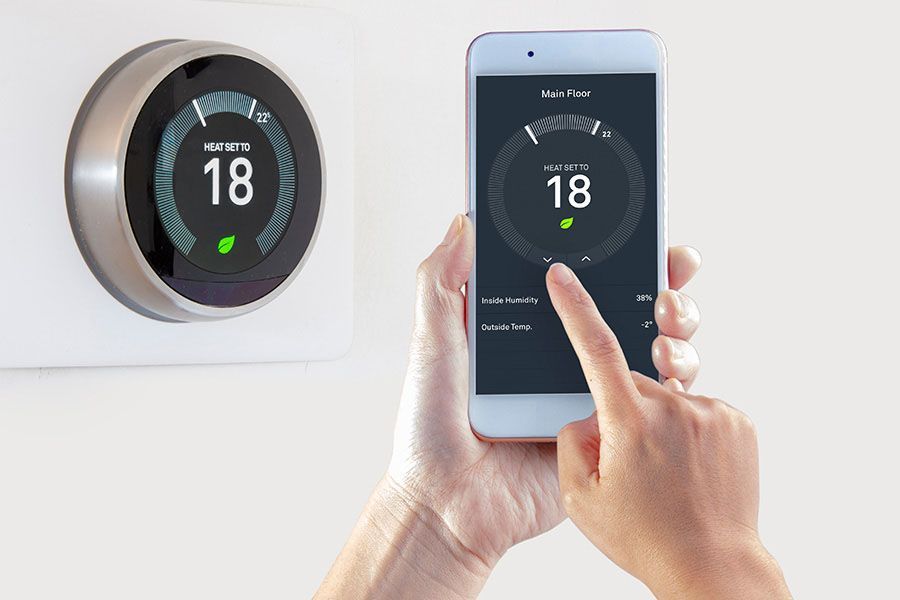
- Thermostat Problems: An incorrectly set or malfunctioning thermostat can fail to signal the blower to start.
- Bad Capacitor: Many blower motors need a capacitor to start. A weak capacitor often leaves the motor humming but not spinning.
- Motor Issues: Over time, the blower motor can wear out or overheat and fail.
- Blower Door Switch: Most furnaces have a safety switch that cuts power when the blower door is off or loose. A door that isn't seated tightly keeps the blower from running.
- Control Board Faults: The control board sends the signal to start the blower. A failed relay or board can leave the blower off even when everything else works.
- Airflow Restrictions: Clogged filters or blocked ducts can overheat the motor until it shuts off.
Knowing these causes is the first step in HVAC troubleshooting. Diagnosing and fixing blower problems often takes professional expertise.
What Are the Signs of Furnace Blower Problems?
The main signs of furnace blower problems are no airflow or weak airflow, strange noises, frequent cycling, overheating, persistent odors, and vibrations. Spotting these early can save you from a cold and uncomfortable home.
No Airflow or Weak Airflow
Vents that aren't blowing air are a clear sign the blower isn't starting. Weaker-than-usual airflow can also point to a blower issue, such as a failing motor, blocked ductwork, or a problem with the fan wheel. Weak airflow leads to inefficient heating and higher energy use.
Strange Noises
Unusual sounds from the furnace can signal a blower motor problem. High-pitched squealing or grinding often means the motor bearings are failing or the blower assembly is out of alignment.
Frequent Cycling
A furnace that turns on and off more often than usual may have a blower issue. An oversized furnace, clogged filter, or malfunctioning thermostat can cause this short cycling, which adds wear and tear to your system.
Overheating
A furnace that shuts off to prevent overheating may have a blower problem. When the blower can't move enough air across the heat exchanger, the furnace overheats and can suffer serious damage.
Persistent Odors
A continuous, unusual smell from the furnace can signal burnt wires or overheating parts in the blower motor. Investigate these odors promptly to prevent further damage.
Vibrations or Rattling Sounds
Extra vibration or rattling often means a loose component in the blower system, from a misaligned fan blade to loose screws. Left alone, these problems can get worse.
What Should You Do If the Burners Light but the Blower Doesn't?
Turn the furnace off at the thermostat if the burners light but the blower never starts. Without the blower, heat builds up inside the furnace. The limit switch should shut the burners down, but repeated overheating stresses the heat exchanger.
A furnace blower not to kick on while the burners run is a job for a technician. The cause is often the capacitor, the motor, or the control board, and each one carries line voltage.
How Can You Troubleshoot Furnace Blower Issues?
You can try a few steps before you call a professional:
- Check the thermostat. Make sure it's set to heat and the fan is on "Auto."
- Inspect the air filter. A dirty or clogged filter restricts airflow.
- Make sure the blower door is closed and seated tightly.
- Check the circuit breaker to confirm the furnace circuit hasn't tripped.
- Reset the furnace by turning the power off and back on.
If these checks don't solve the furnace blower not to kick on problem, leave the furnace off and call a technician. The U.S. Department of Energy's guide to furnaces and boilers covers the regular upkeep that keeps a blower running reliably.
How Does Maintenance Prevent Blower Problems?
Regular maintenance catches the most common causes of a furnace blower not to kick on before they strand you. A technician checks the capacitor, cleans the blower wheel, tests the motor, and tightens electrical connections. Our furnace maintenance in Lexington covers all of these, and our thermostat repair and installation team can fix thermostat problems too.
Trust Watson Heating & Air for Furnace Blower Repair in Lexington
Many problems can cause a furnace blower not to kick on, from electrical issues to airflow restrictions. Watson Heating & Air finds the cause and fixes it right, with repairs backed by warranty and upfront pricing.
If you smell gas or burning when your furnace kicks on, leave the furnace off and call us right away. Our 24/7 emergency HVAC repair team is available nights, weekends, and holidays. Call us or schedule your appointment today to get warm air moving through your Lexington home again.