5 Things Commercial HVAC Systems Need Before Heavy Use in Lexington, KY
Commercial HVAC systems carry a different kind of load than residential equipment — larger occupied spaces, more demanding airflow requirements, and often longer daily run times. In Lexington, KY, where businesses ranging from office parks along New Circle Road to retail in Hamburg Pavilion depend on reliable climate control, preparing a commercial system before heavy seasonal use isn't optional. It's the difference between a smooth peak season and a mid-summer emergency service call. Here's what Watson Heating & Air addresses when preparing commercial systems for heavy use.
1. Essential Maintenance Checks
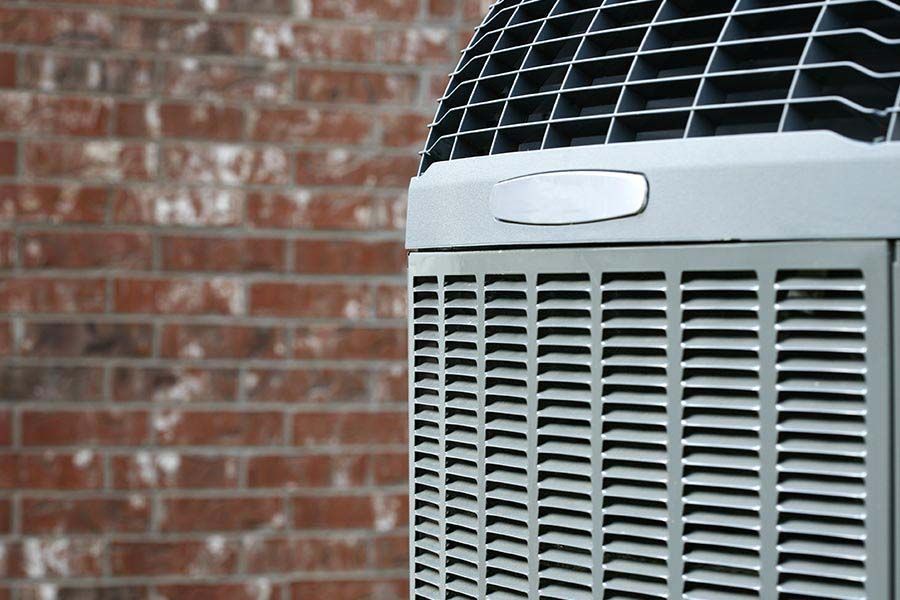
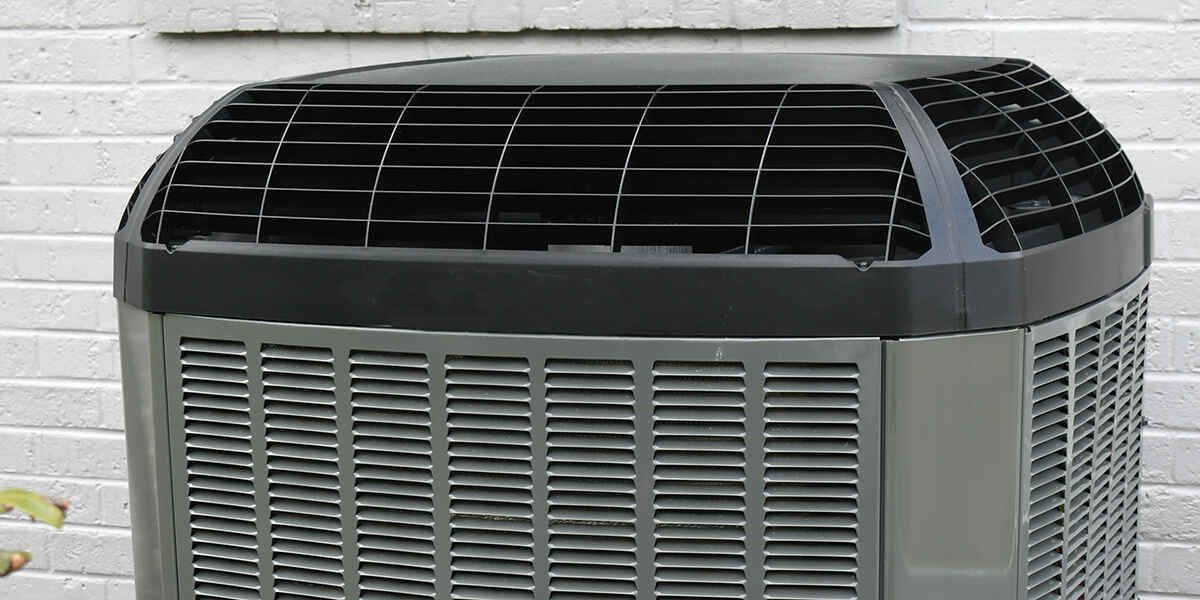
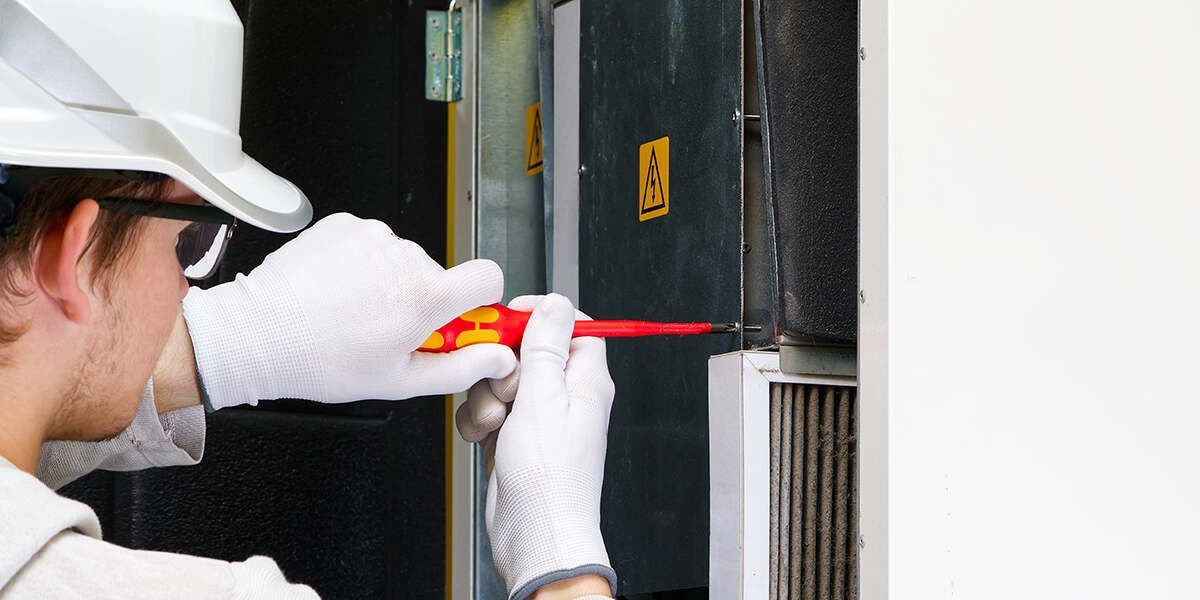
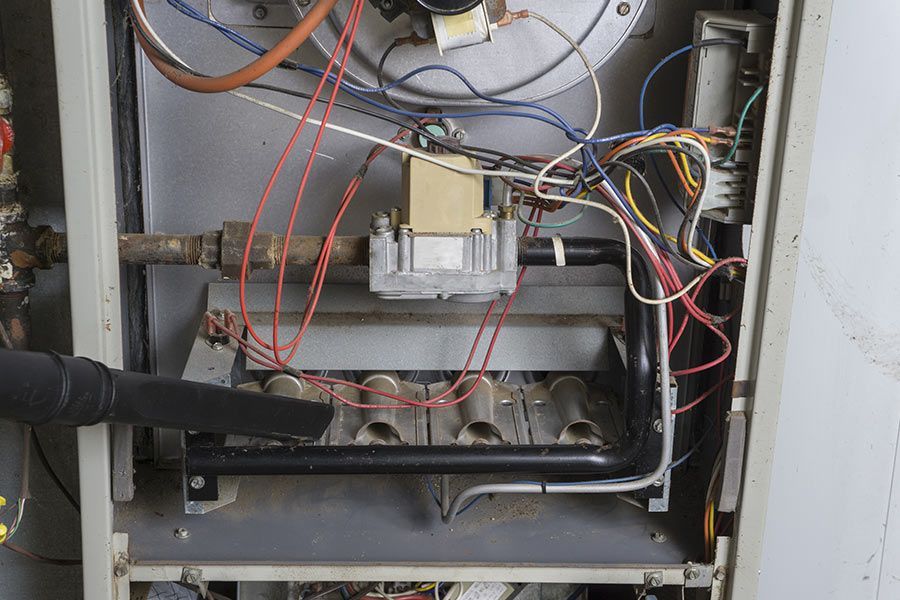
A thorough pre-season inspection covers the components most likely to cause failure under sustained load. Filters need to be inspected and replaced — commercial systems often use larger media filters that last longer than residential 1-inch filters, but they still require regular attention. Evaporator and condenser coils should be checked for dirt and debris accumulation, and cleaned if needed, since coil fouling directly reduces system capacity and increases energy consumption.
Refrigerant levels, electrical connections, and belt tension on older systems with belt-driven fans should all be verified before the system is put under peak demand. Catching a low refrigerant charge or a failing contactor during a scheduled maintenance visit costs a fraction of what an emergency repair costs when the system fails on a 95-degree afternoon. Watson Heating & Air's commercial HVAC service for Lexington businesses covers all of these checkpoints systematically.
2. Proper Insulation for Energy Efficiency
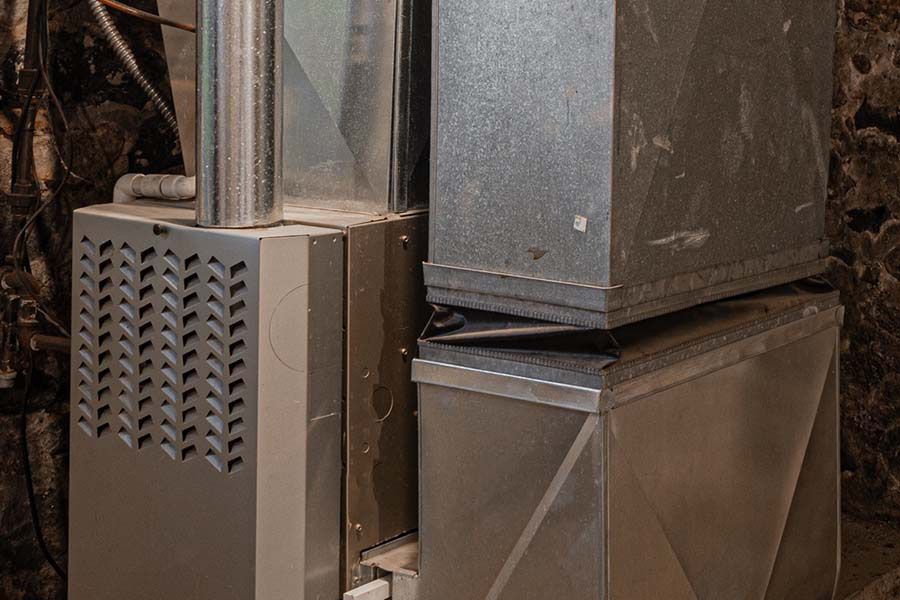
Insulation in commercial buildings affects HVAC performance in ways that are often underestimated. Poorly insulated duct runs in unconditioned spaces — mechanical rooms, roof cavities, or parking structures — allow significant heat gain into the conditioned air supply before it reaches the occupied space. This forces the system to work harder to maintain comfort, increasing both energy consumption and equipment wear.
For Lexington commercial properties undergoing renovation or those with aging building envelopes, an insulation assessment is a worthwhile investment before heavy HVAC use resumes. Even targeted upgrades in high-loss areas can produce measurable improvements in system efficiency and occupant comfort.
3. Smart Thermostat and Controls Upgrades
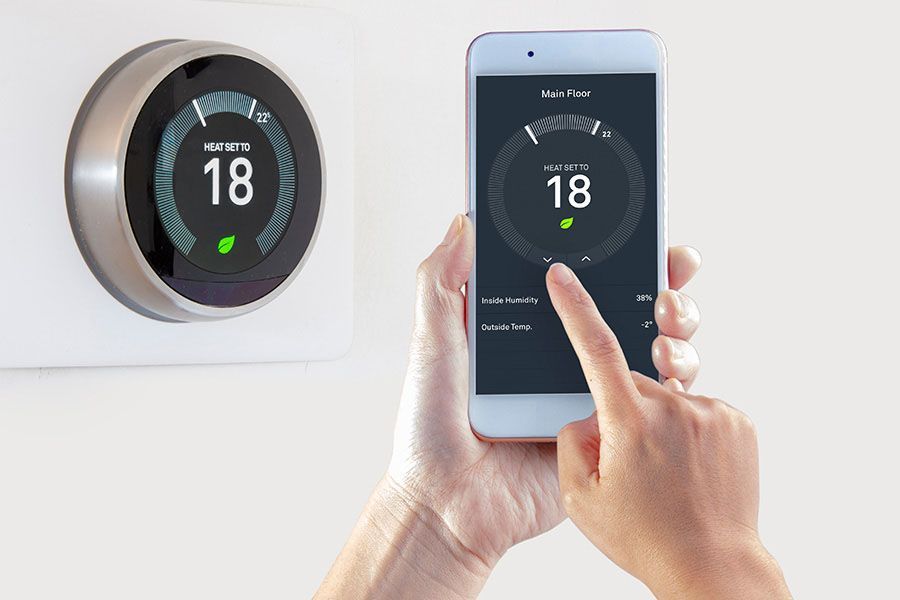
Building automation and smart thermostat technology has advanced significantly, and older commercial properties still using basic programmable controls are leaving efficiency on the table. Modern commercial thermostats and building control systems offer:
- Remote monitoring and adjustment — allowing facilities managers to respond to issues without being on-site.
- Occupancy-based scheduling — so HVAC loads are matched to actual building use rather than fixed time schedules.
- Energy usage reporting — providing data to identify waste and optimize settings over time.
- System integration — allowing HVAC to coordinate with lighting, access control, and other building systems.
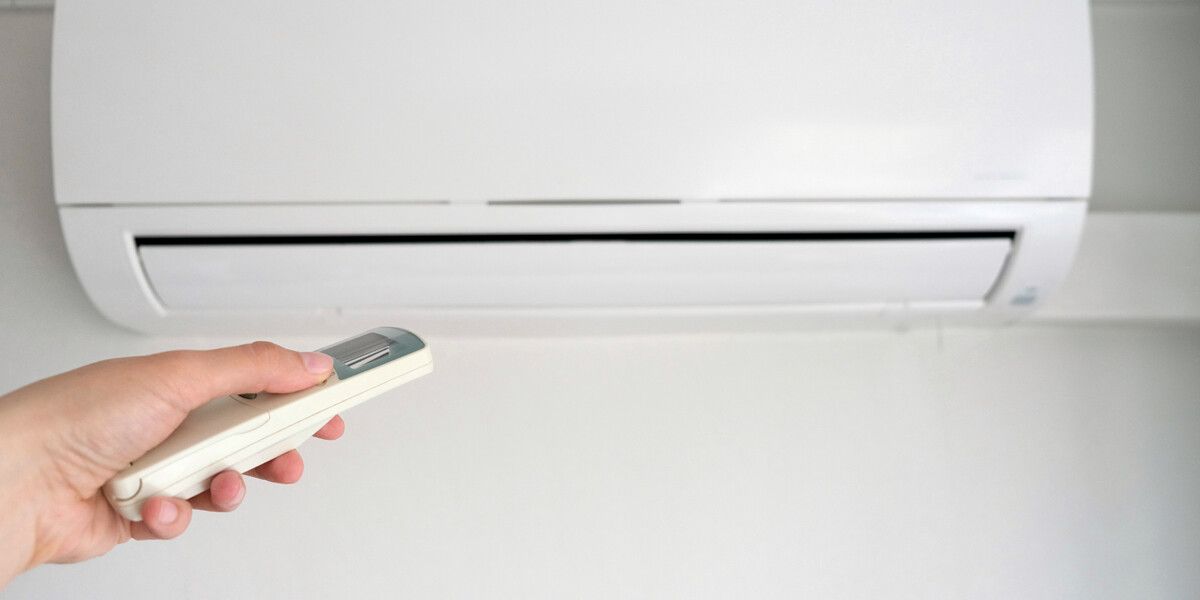
Watson Heating & Air installs and configures commercial thermostat and controls solutions for Lexington businesses and helps facilities teams understand how to get the most out of them.
4. Ventilation Assessment for Air Quality
Commercial ventilation requirements are governed by code standards tied to occupancy type and square footage. Before heavy use, verifying that ventilation rates meet current ASHRAE standards for your building type is both a comfort and a compliance issue. Under-ventilated commercial spaces accumulate CO2, VOCs, and airborne contaminants at levels that impair occupant focus and productivity — sometimes without any obvious symptom other than a building that feels stuffy or where occupants frequently report headaches.
Duct cleaning and air balancing are often neglected in commercial systems until a problem becomes obvious. A pre-season airflow and ventilation check ensures the system is delivering the right volume of conditioned, filtered air to every occupied zone. Pairing clean ductwork with quality filtration or a UV purification system creates a healthier environment for employees and customers throughout the Lexington business district.
5. Seasonal Preparation for Lexington's Climate Transitions
Lexington's weather can shift quickly between seasons, and commercial systems that are pushed directly from a winter heating configuration into summer cooling mode without a transition check tend to underperform in the early weeks of heavy use. Pre-season preparation involves:
- Changing over thermostat programs and setpoints for the cooling season.
- Verifying the economizer function if the system includes outside air controls.
- Inspecting condensate drain lines and drain pans for clogs or buildup from the heating season.
- Confirming the cooling sequence of operation for all zones.
Scheduling this pre-season work before demand peaks — not after the first complaint — is what keeps Lexington commercial properties running reliably through their busiest periods.
Prepare Your Commercial System Before the Season Demands It
Commercial HVAC failures during peak operating periods don't just create discomfort — they disrupt business and often result in emergency service costs that dwarf what preventive maintenance would have cost. Watson Heating & Air serves Lexington commercial clients with the same upfront pricing and honest service we provide residential customers.
Contact our team today to schedule your pre-season commercial HVAC inspection.