Are Ductless Mini Splits Worth It for Homes in Richmond, KY?
Ductless mini splits have become a more common topic of conversation in Richmond, KY over the past several years, and for good reason. Whether you're dealing with an older home that has no existing ductwork, a new addition that doesn't connect to the central system, or a room that never quite reaches the right temperature, mini splits offer a solution that central AC can't always match. At Watson Heating & Air, we've installed mini splits throughout the Richmond area and consistently see them deliver on their promise when they're the right fit for the home.
What Are Ductless Mini Splits and How Do They Work?
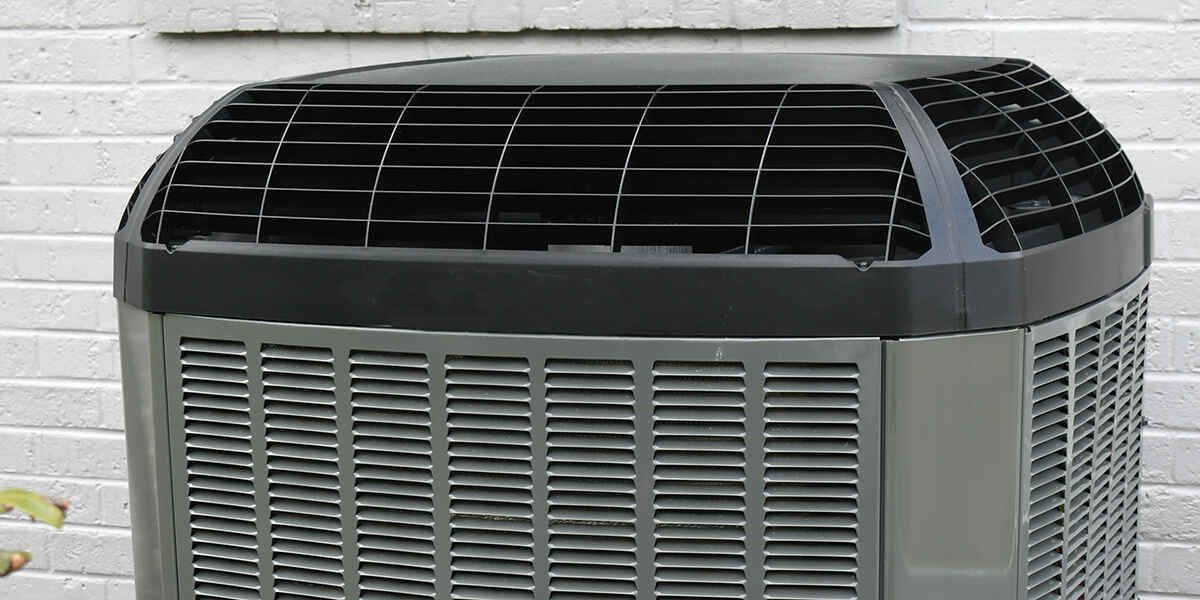
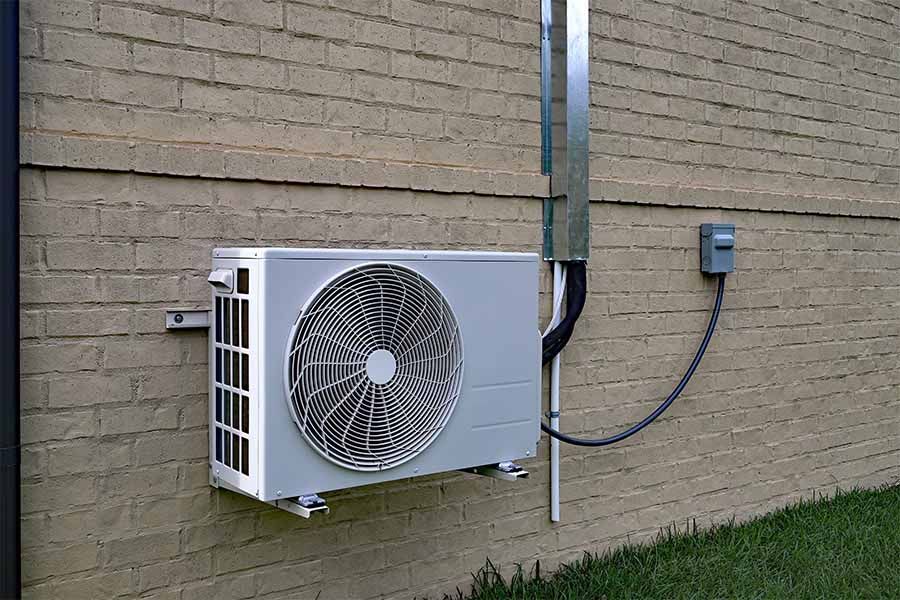
A ductless mini split system consists of an outdoor compressor unit and one or more indoor air-handling units connected by a refrigerant line, power cable, and condensate drain that runs through a small hole in the wall or ceiling. Each indoor unit conditions the space it's installed in independently, operating on its own thermostat and fan speed.
The same refrigerant-based technology that cools your home also allows mini splits to heat it, making them a year-round comfort solution. In Richmond's climate — where summers are hot and humid and winters are cold but not extreme — that dual-function capability is a genuine advantage. Watson Heating & Air's ductless mini-split installation and service covers both residential and commercial applications throughout the Richmond area.
Key Advantages of Ductless Mini Splits for Richmond Homes
The most compelling advantage in a Richmond context is zoning. Each indoor unit operates independently, which means you can cool the living room and bedroom to different temperatures, or avoid conditioning rooms that aren't in use. For a multi-story home in the Battlefield Commons or Glades Crossing areas where upstairs rooms run noticeably warmer than downstairs, a mini split upstairs can address that imbalance without requiring ductwork modifications.
Installation is significantly less invasive than adding or extending ductwork. In Richmond's older homes near the EKU campus or downtown areas, where walls aren't set up to accommodate ductwork easily, a mini split can be installed in a day without major renovation. The quiet operation of the indoor units and the absence of duct losses also contribute to a system that runs more efficiently than most central systems in real-world conditions. Our AC installation service in Richmond includes professional load calculations to ensure the right unit sizing before installation.
Cost Considerations: Is the Investment Worth It?
The upfront cost of a ductless mini split is higher than a standard central AC installation in a home that already has ductwork. That's the honest answer. But the comparison changes significantly in a few common scenarios:
- For homes without existing ductwork, the cost of installing a duct system for central AC often exceeds the cost of a mini split system.
- For single-room or zone additions where extending the central system isn't practical, mini splits are almost always the more economical choice.
- For homeowners focused on long-term operating costs, mini splits' efficiency advantage — particularly their ability to avoid the duct losses that reduce central AC efficiency — can produce meaningful savings over a 10 to 15-year equipment lifespan.
Watson Heating & Air offers flexible financing options to make either system more manageable, and our team provides honest side-by-side cost projections so you can make an informed decision.
How Do Mini Splits Compare to Traditional HVAC Systems?
Central AC systems remain the practical choice for whole-home cooling in homes with well-maintained ductwork. They're familiar, effective, and — in the right context — cost-efficient. Mini splits don't replace central systems in every situation, but they outperform them in specific ones.
The key differences: mini splits avoid duct losses entirely (which account for 20-30% of energy waste in typical central systems), allow independent zone control, and can be installed without structural modifications. They require more frequent filter cleaning on the indoor unit heads, but overall maintenance demands are similar to central systems. For Richmond homeowners evaluating both options, the decision usually comes down to whether existing ductwork is in good enough condition to be worth using.
What to Look for When Choosing a Mini Split System
The most important factor is proper sizing. An undersized unit will run continuously without reaching the target temperature; an oversized unit will short-cycle, leaving the room humid and uncomfortable. Proper sizing requires a Manual J load calculation that accounts for the room's square footage, ceiling height, window area and orientation, and insulation levels.
SEER rating (efficiency) and sound levels are also worth comparing across models. Watson Heating & Air recommends systems from manufacturers whose parts and support networks are reliable long-term, and our licensed technicians install every system to manufacturer specifications so warranties remain valid.
The Right System for Your Richmond Home — Let's Find Out
Mini splits are genuinely worth the investment for the right Richmond home — and not necessarily the right choice for every home. The honest answer requires looking at your specific situation. Watson Heating & Air is ready to help you evaluate both options with a professional site assessment and no-pressure guidance.
Contact our team today to get started.