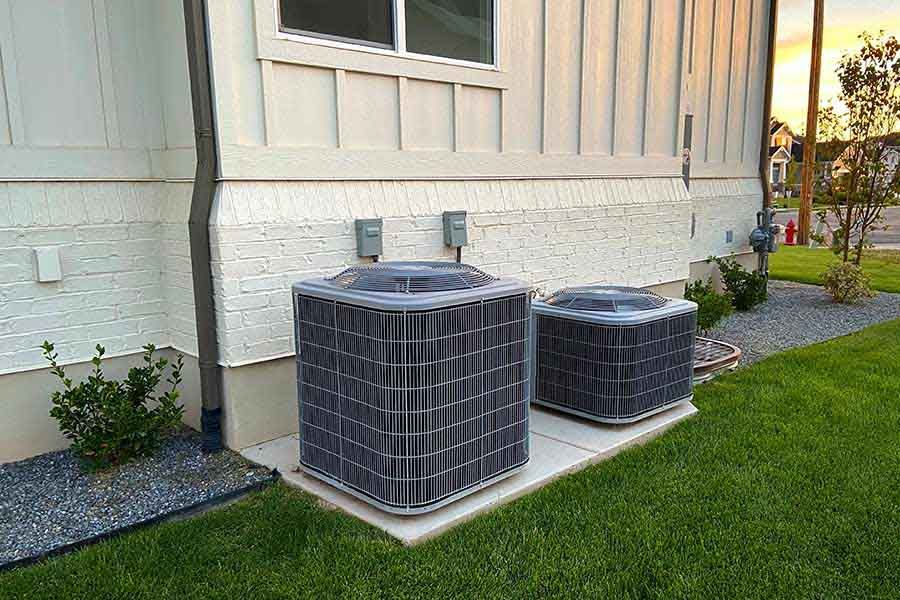
How Heat Pump Repairs Can Restore Efficiency and Lower Your Energy Costs
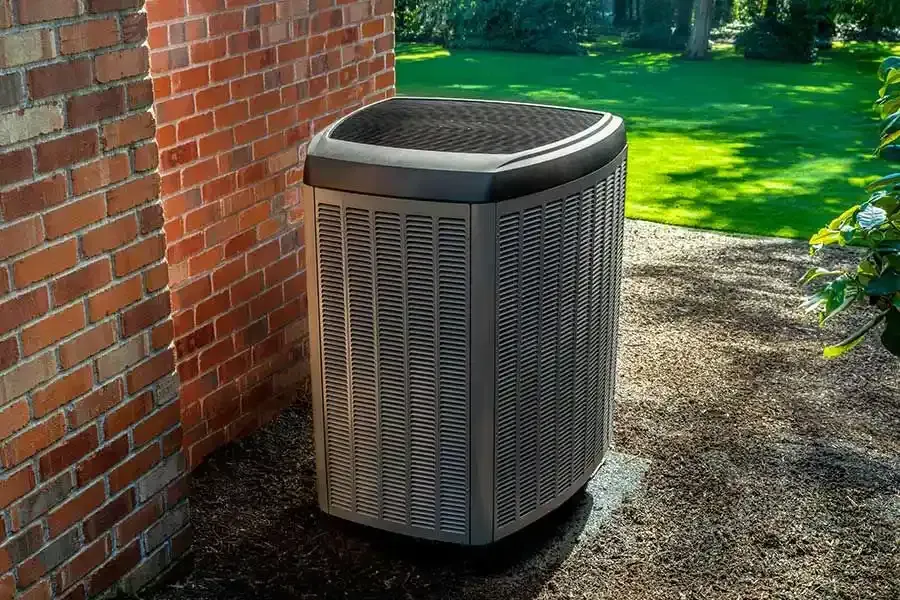
Did you know a small refrigerant leak in your heat pump can cause a significant drop in efficiency, leading to higher energy costs? You might not realize it, but even minor issues can escalate, making your energy bills a growing concern. By addressing these problems promptly, you can restore your heat pump’s performance and maintain a comfortable home environment. But what exactly should you look for, and how do you guarantee repairs are done correctly? Understanding these aspects can save you money and extend the lifespan of your system. Let’s explore further to guarantee you’re on the right track.
Identifying Common Heat Pump Issues
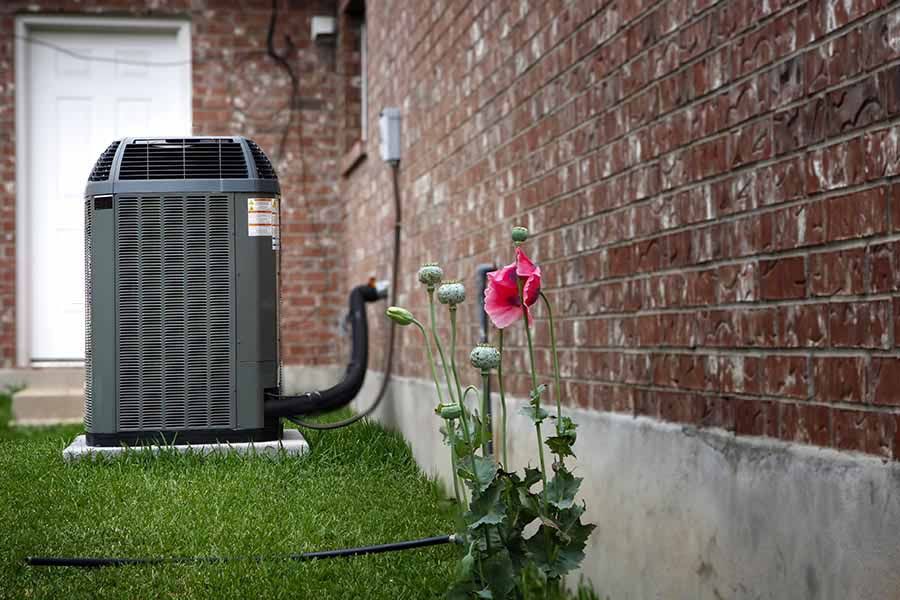
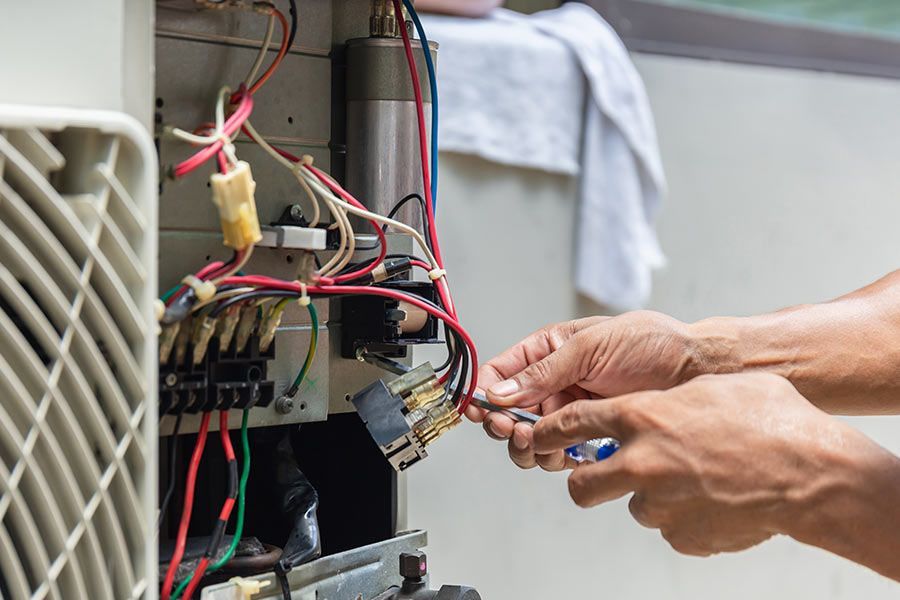
When identifying common heat pump issues, you’ll often encounter problems like insufficient heating, frequent cycling, or unusual noises that require precise troubleshooting and targeted solutions. Begin by checking the thermostat settings to verify they’re correctly configured. A clogged air filter can limit airflow, so replace it regularly to maintain peak performance. Inspect the outdoor unit for debris, as obstructions can impede heat exchange. Listen for unusual noises, which might indicate worn-out components like fan blades or bearings. Frequent cycling could be due to an oversized unit or thermostat malfunctions. A multimeter checks electrical connections, confirming they’re tight and corrosion-free. By addressing these issues methodically, you enhance the heat pump’s efficiency, ultimately serving those relying on your expertise for comfortable, efficient heating solutions.
Importance of Timely Repairs
Timely repairs on heat pumps prevent minor issues from escalating into costly failures, ensuring the system operates efficiently and reliably throughout its lifespan. As someone who values serving others, you understand that a well-functioning heat pump is essential for maintaining comfort and reducing energy costs. Addressing repairs promptly minimizes strain on components, which can wear out faster if neglected. Here are key reasons to prioritize timely repairs:
- Preserve Efficiency: Quick fixes maintain ideal energy use, reducing utility bills.
- Extend Lifespan: Regular attention avoids premature system replacements.
- Prevent Downtime: Swift repairs reduce inconvenient outages, keeping systems running smoothly.
- Ensure Safety: Correcting issues early prevents potential hazards, protecting your home and family.
Benefits of Regular Maintenance
Regular heat pump maintenance guarantees peak performance by identifying and addressing issues before they become significant problems. By scheduling routine check-ups, you verify that the system operates efficiently, directly reducing energy costs. Examine and clean filters regularly to improve airflow, as clogged filters make the pump work harder, consuming more energy. Inspect electrical components for wear and tear to prevent sudden malfunctions. Lubricate moving parts to minimize friction and enhance longevity. Monitoring thermostat settings verifies accurate temperature control, preventing unnecessary energy usage. Prioritize professional servicing annually to detect potential issues early. This proactive approach curtails unexpected breakdowns and extends your heat pump's lifespan, ultimately serving your household more effectively.
Fixing Refrigerant Leaks
Identifying and fixing refrigerant leaks in your heat pump is essential for maintaining system efficiency and preventing environmental harm. Leaks can cause your system to work harder, increasing energy costs and reducing the lifespan of your equipment. To address this, you’ll need to:
- Detect the Leak: Use electronic leak detectors or ultraviolet dye to pinpoint the exact location.
- Seal the Leak: Apply specialized sealants or replace damaged components to stop the leak.
- Recharge Refrigerant: After sealing, recharge your system with the correct amount of refrigerant to guarantee peak performance.
- Test the System: Run a thorough check to confirm the leak is fixed and the system operates efficiently.
Addressing Faulty Thermostats
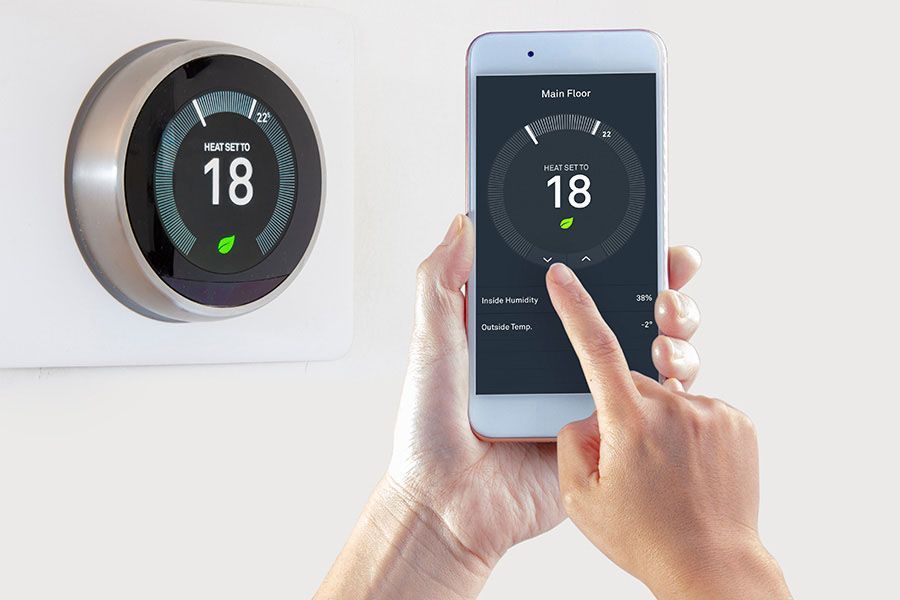
When your heat pump’s thermostat malfunctions, it can lead to inaccurate temperature readings and inefficient system operation, requiring careful inspection and recalibration or replacement to restore ideal functionality. Start by checking the thermostat’s battery and ensuring proper power supply. If issues persist, examine the wiring connections for any signs of wear or damage. A loose wire can disrupt communication between the thermostat and the heat pump. Utilize a multimeter to verify that the thermostat is accurately measuring ambient temperatures. If recalibration doesn’t resolve the issue, consider replacing the thermostat with a programmable model. This upgrade can enhance precision and efficiency, allowing your system to better serve others by maintaining consistent comfort levels and lowering energy costs.
Cleaning and Replacing Filters
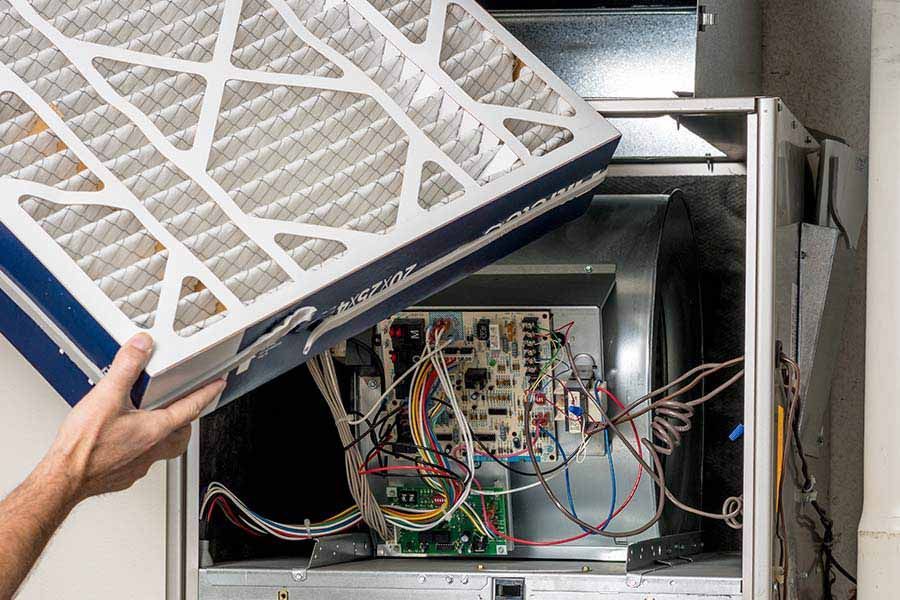
How often do you check your heat pump’s filters, knowing that clean filters are essential for maintaining efficient airflow and preventing system strain? Regular maintenance guarantees your system serves others effectively. Here’s how you can keep those filters in top condition:
- Inspect Monthly: Check filters monthly, especially during peak usage seasons, to verify they’re free from dust and debris.
- Replace When Needed: If filters are disposable, replace them every 1-3 months, depending on your environment and filter type.
- Wash Reusable Filters: If you have washable filters, clean them thoroughly with water and let them dry completely before reinserting.
- Confirm Proper Fit: Always confirm filters fit snugly to prevent unfiltered air from bypassing the system, which helps maintain indoor air quality.
Enhancing System Efficiency
To enhance your heat pump’s efficiency, guarantee regular maintenance of its components, such as the coils and ductwork, to prevent energy waste and prolong system life. Clean coils promote ideal heat transfer, while sealed ductwork prevents air leaks that waste energy. Check the refrigerant levels, as inadequate levels can reduce the system’s ability to heat or cool effectively. Inspecting and replacing worn-out fan belts can also improve airflow and prevent strain on the motor.
Consider upgrading your thermostat to a programmable or smart model; this allows for precise temperature control and reduces unnecessary operation. Confirm outdoor units are clear of debris and maintain adequate airflow. By following these guidelines, you contribute to a more efficient system that serves your household and the environment.
Lowering Energy Costs
Maximizing your heat pump’s efficiency not only benefits system longevity but also plays a significant role in lowering your energy costs by reducing unnecessary energy consumption. When you verify your heat pump is running at peak performance, you’re effectively cutting down on waste and enhancing its performance. Here are some practical steps to achieve this:
- Regular Maintenance: Schedule routine check-ups to catch minor issues before they escalate.
- Filter Replacement: Clean or replace filters monthly to maintain airflow and efficiency.
- Thermostat Settings: Set your thermostat to an energy-efficient temperature, particularly when you’re away.
- Sealing Ducts: Properly seal and insulate ducts to prevent energy loss.
Signs Your Heat Pump Needs Repair
Detecting issues early is essential, so watch for signs like unusual noises, inconsistent temperatures, or increased energy bills that indicate your heat pump needs repair. Listen for rattling, grinding, or buzzing sounds that aren’t typical during operation. These noises could point to loose components or motor issues. Monitor temperature consistency; if some rooms are colder or warmer than others, your heat pump might struggle to regulate effectively. This imbalance can affect comfort and efficiency. Keep an eye on your energy bills; a sudden spike might mean your system is overworking to meet demand. Addressing these signs promptly prevents minor issues from escalating into major problems, ensuring your heat pump continues to serve efficiently and supports your goal of helping others by maintaining a comfortable environment.
Choosing a Professional Technician
Selecting a professional technician for your heat pump repair is vital to secure an effective diagnosis and reliable service, so prioritize technicians with certifications, experience, and a strong reputation in the industry. A certified technician guarantees compliance with industry standards, which is significant for maintaining system efficiency. Experience allows them to identify and resolve issues, minimizing downtime quickly.
To choose the right technician, consider the following:
- Certifications: Look for NATE or EPA certifications indicating advanced technical expertise.
- Experience: Opt for technicians with a solid track record in heat pump repair.
- Reputation: Check online reviews and request references to verify reliability.
- Warranty: Confirm the technician offers a warranty on parts and labor, reflecting confidence in their work.
Following these guidelines will help you serve others by confirming your heat pump operates efficiently.
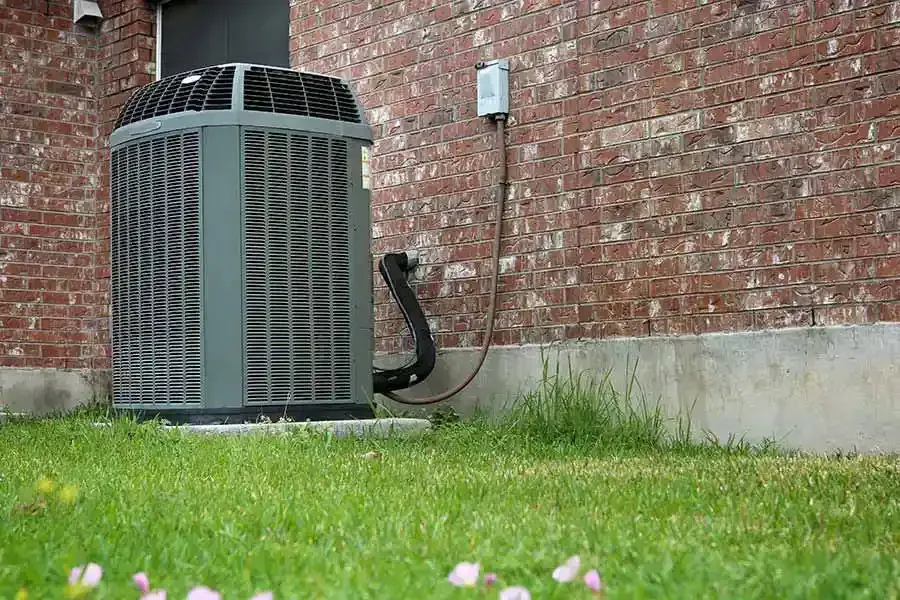
Conclusion
By tackling heat pump repairs head-on, you’re not just patching up problems but investing in a smoother, more efficient system that keeps energy bills in check. Like a well-tuned orchestra, a properly maintained heat pump delivers harmony in comfort and cost. Don’t ignore the signs—jump on issues quickly and let a professional technician fine-tune your system. This proactive approach extends your heat pump’s lifespan and enhances your home’s energy efficiency.
Frequently Asked Questions
How Long Does a Typical Heat Pump Repair Take?
A typical heat pump repair usually takes between 2 to 4 hours. However, the duration depends on the issue’s complexity. Guarantee you choose a qualified technician to minimize downtime and keep your system running efficiently for others.
Are There Any DIY Solutions for Minor Heat Pump Issues?
Did you know that 30% of heat pump issues stem from clogged filters? You can easily clean or replace them. Turn off the power, remove the filter, clean with mild soap, rinse, and let dry completely.
What Factors Influence the Cost of Heat Pump Repairs?
You should consider factors like the extent of damage, needed parts, technician expertise, and your heat pump’s age. To minimize costs, prioritize regular maintenance and swift repairs. Investing in quality service guarantees efficiency and long-term savings.
How Can I Prevent Future Heat Pump Breakdowns?
Schedule professional maintenance regularly, change filters monthly, and check for refrigerant leaks. Ascertain outdoor units are clear of debris. These steps minimize breakdowns, prolong the lifespan, and guarantee an efficient operation, allowing you to serve others with reliable heating.
Is It Worth Upgrading to a Newer Heat Pump Model?
Isn’t
investing in a newer heat pump model wise for efficiency and sustainability? Upgrading enhances energy savings, reduces environmental impact, and provides increased comfort. You’re ensuring a better future for those you care about.