Furnace Installation Tips: Preparing Your Home for a New Heating System
Watson Heating & Air
February 21, 2025
HVAC services in Paint Lick, KY

Did you know that nearly half of the energy used in a typical home goes to heating and cooling? When preparing for a new furnace installation, it’s essential to consider factors that could impact both efficiency and cost. Start by evaluating your heating requirements and measuring your space to guarantee the perfect fit. Don’t forget to inspect your ductwork for leaks and ensure ventilation is up to par. This process might seem overwhelming, but a few strategic steps can make all the difference. Curious about maximizing comfort and savings? Let’s explore what you should focus on next.


Assess Your Heating Needs

To effectively assess your heating needs, determine the size and layout of your space and your climate zone to confirm your furnace can provide adequate warmth. Start by measuring each room’s square footage, which helps calculate the total heating requirements. Identify the number of windows and doors, noting any drafts, as these can impact heat retention. Consider the insulation quality in walls and ceilings; better insulation reduces heat loss. Check your climate zone using local resources to understand the typical temperature ranges you’ll face. Each factor—size, layout, insulation, and climate—interacts to influence your furnace’s workload. By thoroughly inventorying these elements, you verify that your heating system efficiently meets the comfort needs of those you wish to serve.


Choose the Right Furnace

After evaluating your heating needs, select a furnace with the right capacity, fuel type, and efficiency rating to match your requirements and environmental conditions. Consider the furnace’s British Thermal Unit (BTU) rating, confirming it can adequately heat your space without excessive energy consumption. Choose between natural gas, electric, or oil-powered models according to availability and cost-effectiveness in your area. Prioritize furnaces with high Annual Fuel Utilization Efficiency (AFUE) ratings to optimize energy use and reduce environmental impact. Consult local HVAC professionals to verify compatibility with existing ductwork and assess special requirements. By carefully selecting a furnace that aligns with your home’s conditions, you’ll guarantee comfort and energy efficiency, benefiting those you aim to serve.


Measure Your Space

Before installing a furnace, accurately measure your space by calculating the total square footage and considering ceiling height, guaranteeing the unit’s capacity matches the heating demands of the entire area. Begin by multiplying each room’s length and width to find the square footage. Don’t forget to account for ceiling height, as this affects the air volume needing heat. Higher ceilings may require a more powerful furnace. Record measurements meticulously; precision here guarantees efficiency later. Consider the layout, including walls and obstructions, which might impact heat distribution. If your home has open spaces or multiple floors, note these separately, as they influence furnace size and placement. A correctly sized furnace maximizes comfort while efficiently serving your household’s needs.


Evaluate Ductwork Condition

Carefully inspect your home’s ductwork for leaks, blockages, or damage to confirm efficient airflow and ideal furnace performance. Begin by examining visible ductwork sections and joints. Use a flashlight to check for any visible gaps or tears. Ensuring the ductwork is sealed properly is essential, as even minor leaks can significantly reduce efficiency.

  1. Check for Blockages: Inspect the interior using a flexible camera or duct cleaning tool. Clear any debris or obstructions that might impede airflow.
  2. Test for Leaks: Run your hand along duct seams while the system operates. Feel for escaping air, which indicates a leak.
  3. Assess Insulation: Verify that ducts in unconditioned spaces are well-insulated to prevent heat loss.

Addressing these issues guarantees your new furnace operates at peak efficiency, benefiting those you serve.


Ensure Proper Ventilation

Proper ventilation is essential to confirm your furnace functions efficiently and safely by preventing the buildup of harmful gases like carbon monoxide. First, inspect your home’s existing ventilation system to verify it’s clear and unobstructed. Check that all vents are open and free from debris or blockages. Installing a carbon monoxide detector near the furnace is vital to monitor gas levels. Ensure the exhaust pipe is correctly fitted and directed to expel gases outside your home, not indoors. Double-check that your installation area complies with local building codes regarding ventilation requirements. This guarantees that your new furnace operates safely and reduces the risk of gas leakage, protecting your household and maintaining a healthy living environment.


Clear Installation Area

Once you’ve confirmed suitable ventilation, guarantee the installation area is clear of any obstructions, debris, or materials that could interfere with the furnace setup. This secures a safe and efficient installation process, minimizing risks and potential delays. Follow these steps to prepare the area:

  1. Remove Clutter: Clear all items, including furniture and storage boxes, within at least three feet of the installation site. This provides ample space for technicians to work effectively.
  2. Inspect the Floor: Look for uneven surfaces or loose tiles that might affect the furnace's stability. Address any issues beforehand to guarantee a secure installation.
  3. Verify Accessibility: Ensure pathways to the area are unobstructed, allowing easy movement of equipment and personnel during the installation.


Schedule Professional Consultation

To guarantee a seamless and compliant installation, schedule a professional consultation to assess your specific requirements and address any potential challenges. During this meeting, an experienced technician will evaluate your home’s layout, insulation, and current heating infrastructure. They’ll discuss your heating preferences, budget, and unique considerations like zoning needs or air quality concerns.

Be prepared to ask questions about the installation process, expected timelines, and any necessary modifications. Confirming that the technician is certified and knowledgeable about local building codes is essential. This guarantees your new furnace meets safety standards and operates efficiently.


Plan for Energy Efficiency

When planning energy efficiency, select a furnace with a high Annual Fuel Utilization Efficiency (AFUE) rating to confirm peak performance and cost savings. A high AFUE rating guarantees that your furnace converts most of its fuel into heat, minimizing waste and reducing energy bills. To further enhance energy efficiency, consider these steps:

  1. Seal Ductwork: Inspect and seal any leaks in your ductwork to prevent heat loss and ensure warm air reaches its intended destination efficiently.
  2. Install a Programmable Thermostat: A programmable thermostat automates heating schedules, reducing energy usage when heating isn’t needed.
  3. Optimize Insulation: Improve your home’s insulation to maintain consistent temperatures and reduce the workload on your heating system.

These measures enhance your furnace’s efficiency and contribute to lower environmental impact, serving the greater good.


Budget for Installation Costs

Calculating the total cost of furnace installation is essential for guaranteeing your budget accommodates all necessary expenses, including equipment, labor, permits, and potential modifications to your existing system. Start by obtaining multiple quotes from reputable contractors to compare prices and services. Confirm each quote includes a detailed breakdown of costs—factor in the price of the furnace unit, which varies based on efficiency and size. Don’t overlook labor costs, which can fluctuate considerably depending on the complexity of the installation. Check local building codes to determine if permits are required, as fees can add up. Additionally, assess your current ductwork and electrical systems; upgrades might be necessary, impacting your overall budget. Planning thoroughly guarantees a smooth installation process.


Test the New System

After installation, verify the new furnace operates efficiently by conducting a thorough system test. Start by checking the thermostat. Verify it communicates properly with the furnace to maintain your desired temperature. Here’s a detailed process to follow:

  1. Inspect Connections: Confirm all electrical and gas connections are secure and leak-free. This verifies safety and peak functionality.
  2. Evaluate Airflow: Turn on the system and check for consistent airflow at all vents. Uneven airflow could indicate ductwork issues needing attention.
  3. Observe System Cycling: Monitor the furnace cycling. It should turn on, run briefly, and shut off without frequent starts.
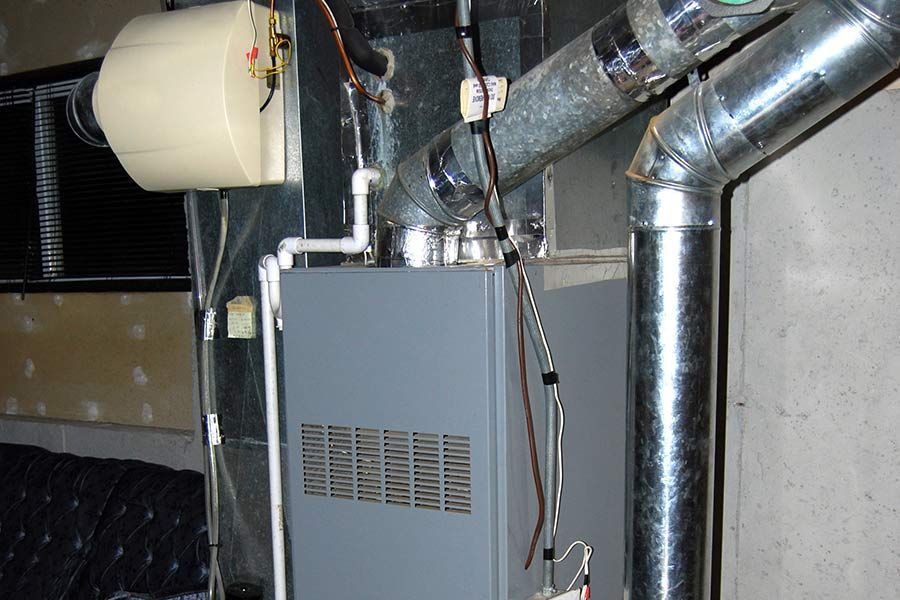
Your Gas Furnace Safety Matters

Conclusion

You’ve prepared your home for a new furnace, ensuring efficiency and comfort. Some might worry it’s too much work, but these steps prevent costly repairs and improve performance. Proper planning lets you enjoy a warm, efficient home and save on energy bills. Don’t forget to test the new system once installed. Following these steps will maximize your investment and transform your home into a snug haven for years.


Frequently Asked Questions

How Long Does a Furnace Installation Typically Take?

A furnace installation usually takes 4 to 8 hours. To expedite the process smoothly, ensure you’ve cleared the installation area, removed obstructions, and provided service technicians with easy access to electrical and gas connections.


What Permits Are Needed for Furnace Installation?

Before installing a furnace, you’ll need to check local building codes and obtain necessary permits. Contact your municipality’s building department. Permits guarantee safety compliance, protecting you and those you serve in your community.


Can I Use My Old Thermostat With the New Furnace?

Yes, if it's compatible, you can use your old thermostat with the new furnace. Make certain it supports the furnace’s features, like multi-stage heating. Check the wiring and compatibility requirements, prioritizing energy efficiency and client comfort.


How Often Should I Service My New Furnace?

You should service your new furnace annually to guarantee maximum efficiency and safety. Regular maintenance prevents breakdowns, extends lifespan, and maintains warranty coverage. Hire a qualified technician to clean, inspect components, and adjust settings for peak performance.


What Are Common Signs of Installation Issues?

Do you notice strange noises, inconsistent temperatures, or rising energy bills? These could signal installation issues. Check duct connections, thermostat settings, and airflow. Guarantee everything’s properly sealed and aligned. Address these quickly to guarantee efficiency and comfort.
By SEOCH July 1, 2026
There's a particular frustration that comes with an air conditioner that runs constantly but never makes the house feel cooler — especially in a Lexington, KY summer when afternoon temperatures push into the upper 90s. The system is clearly doing something, but comfort is nowhere to be found. This is one of the most common service calls we handle at Watson Heating & Air, and in most cases, the cause comes down to a handful of diagnosable issues. Common Reasons Your AC Runs But Doesn't Cool When an AC runs without cooling, the most common culprit is a refrigerant issue. Your system relies on refrigerant to absorb heat from indoor air and release it outside — without enough refrigerant, that process breaks down. Refrigerant doesn't deplete through normal use; if levels are low, there's a leak somewhere in the system that needs to be found and repaired before recharging. A malfunctioning compressor is another frequent cause. The compressor is the heart of the cooling cycle — if it's failing to compress refrigerant properly, your system will run but won't cool effectively. Blocked or dirty coils, restricted airflow from a clogged filter, and duct leaks that allow cooled air to escape before reaching your living areas can all produce the same symptom: an AC that runs but doesn't deliver comfort. Our AC repair service in Lexington covers all of these diagnostics in a single visit. How Dirty Filters Affect Your AC Performance A dirty air filter is the easiest problem to rule out — and one of the most common causes we find. When the filter becomes clogged, airflow across the evaporator coil drops significantly. Without adequate airflow, the coil can't absorb heat properly and may freeze. A frozen evaporator coil blocks airflow further and eventually thaws, producing water and dramatically reduced cooling capacity. Lexington homes with pets, high traffic, or older HVAC systems tend to accumulate filter buildup faster than average. If your filter hasn't been checked recently, pull it out and hold it up to the light — if you can't see light through it, it's past due. Replacing the filter is the first step before any other diagnosis, and keeping up with replacements through regular AC maintenance in Lexington prevents the issue from recurring. The Role of Refrigerant Levels in Cooling Issues Refrigerant is the medium that makes cooling possible. It absorbs heat from your indoor air at the evaporator coil and releases it outside at the condenser coil. When the charge is low — due to a leak — the system can't complete that heat transfer cycle efficiently, and warm air keeps circulating through your vents. It's worth understanding that refrigerant doesn't get used up over time. If your system is low on refrigerant, there's a leak that needs to be repaired — simply recharging without finding and fixing the source will result in the same problem recurring. A professional refrigerant leak repair addresses both the charge and the source, restoring the system's ability to cool properly. Diagnosing Electrical Problems in Your AC Unit Electrical issues can cause the system to run without cooling effectively, and they're not always obvious from the outside. A failing capacitor, for instance, can allow the fan to run while the compressor struggles to start — producing the sensation of the system running but not doing anything useful. A tripped breaker on one of the AC's circuits can have a similar effect. Key areas to check include: Thermostat settings and calibration — confirm it's calling for cooling, not just fan operation. Circuit breaker panel — check for tripped breakers tied to the AC system. Visible wiring at the disconnect near the outdoor unit — loose connections can interrupt power to the compressor. Capacitor condition — a bulging or leaking capacitor is a visible sign of failure. If any of these check out as potential issues, electrical diagnosis and repair should be handled by a licensed HVAC technician.
By SEOCH July 1, 2026
Weak airflow from AC vents is one of the most common comfort complaints we hear from homeowners in Richmond, KY — particularly during the stretch of humid summer days along US-25. Whether you're dealing with rooms that never quite cool down or vents that barely push air, the cause is usually one of a handful of fixable issues. At Watson Heating & Air, we've diagnosed and resolved these problems throughout Richmond and the surrounding area since 2011. Here's what to look for and what each issue means for your system. Check for Blocked or Dirty Air Filters A clogged air filter is the most frequent culprit behind restricted airflow, and it's also the easiest to address. When the filter becomes packed with dust and debris, air can't move freely through the system — and your AC has to work harder just to circulate the same volume of air through your Richmond home. Most filters should be replaced every one to three months depending on usage and household conditions. Homes with pets, older ductwork, or high dust levels — which is common in the drier months around the Madison County area — may need more frequent changes. A fresh filter is a simple maintenance step that delivers an immediate difference in airflow and system efficiency. Watson Heating & Air's AC maintenance service in Richmond includes filter evaluation and replacement so nothing slips through the cracks. Inspect the Ductwork for Leaks and Damage Leaky or damaged ductwork is a hidden drain on your system's performance. Over time, ducts develop gaps, cracks, or disconnected joints that allow conditioned air to escape into unconditioned spaces before it ever reaches your vents. This is particularly common in older homes around Richmond where duct systems haven't been inspected in years. In our work throughout Richmond, we regularly find duct problems at joints and transitions — spots where sections connect and are prone to separating over time. If certain rooms in your home feel consistently warmer than others, or if you can hear air escaping in the walls, it's worth having a professional assess the ductwork. Sealing those leaks through professional ductwork repair can restore a significant portion of the airflow your system has been losing. Confirm Thermostat Settings and Functionality Sometimes the issue isn't the hardware at all — it's the thermostat. A thermostat placed near a window that gets afternoon sun on the south side of a Richmond home, or one mounted near a kitchen heat source, may read the temperature inaccurately and signal the system to cycle off prematurely. Before calling for service, confirm the thermostat is set to cooling mode, that the temperature setpoint is below the current room temperature, and that batteries are fresh in battery-operated models. If your system seems to run inconsistently or short-cycles, a thermostat inspection or upgrade may be the right next step. Smart thermostats in particular offer more precise readings and can be placed to avoid false temperature readings. Clean AC Vents and Register Grills Dust and debris that accumulates on vent covers and register grills acts as a physical barrier to airflow. It's an easy issue to overlook because the blockage isn't always visible from across the room. In homes near Richmond's older neighborhoods — where carpeting, pets, and seasonal dust are common — buildup can happen faster than expected. Removing and washing register grills with warm soapy water, then vacuuming inside the vent opening before reinstalling, takes less than an hour and can noticeably improve airflow. If your vents look clean but airflow still feels restricted, the issue is likely deeper in the system and warrants a professional inspection. Schedule Regular HVAC Maintenance for Consistent Airflow Many of the airflow problems we see in Richmond homes are preventable with routine maintenance. Annual or semi-annual tune-ups allow a technician to catch issues early — before a dirty coil, low refrigerant, or deteriorating duct section turns into a major repair during a July heat wave. Through Watson Heating & Air's Preferred Member Club , Richmond homeowners receive priority scheduling, diagnostic perks, and peace of mind that their system is ready when the heat arrives. Consistent maintenance is the single most effective way to protect your AC's performance and extend its useful life.
By SEOCH July 1, 2026
An AC unit leaking water is never something to ignore — especially during the hot, humid months that hit Paint Lick, KY hard. Whether you're seeing water pooling beneath the indoor unit or noticing moisture damage around the system, the cause is usually one of several well-documented issues. At Watson Heating & Air, we've handled AC water leaks throughout the Paint Lick area and surrounding Garrard County communities, and we know how quickly a minor leak can become a costly repair if left unaddressed. Common Causes of AC Water Leaks in Paint Lick, KY The most frequent cause of AC water leaks is a clogged condensate drain line. As your system pulls humidity from the air, it generates condensate that drains through a line to the exterior of your home. Over time, algae, mold, and debris can block that line — causing water to back up and overflow. A refrigerant leak is another common cause. When refrigerant levels fall below normal, the evaporator coil can freeze and then thaw, releasing a large amount of water. High humidity levels — familiar to anyone who's spent a summer in the Paint Lick area — put additional strain on the system and can cause excess condensation if the unit is undersized or in need of maintenance. A rusted or cracked drain pan is also worth checking, as even small cracks allow water to bypass containment. Regular AC repair service in Paint Lick can identify these issues before they escalate. How to Tell If Your AC Needs Attention Beyond visible pooling water, there are other warning signs that something is off. If your system is running but failing to cool your home effectively, or if you notice unusual noises like gurgling or hissing from the indoor unit, those can indicate drain line blockages or refrigerant issues. A sudden spike in energy bills — without any change in how you're using the system — often means the AC is working harder than it should because of an underlying problem. Strange odors, particularly musty or sour smells, can point to mold growth in a drain pan or near a blocked line. If you're experiencing any of these symptoms alongside visible water, it's time to reach out to a professional. Watson Heating & Air offers same-day service throughout Paint Lick and the surrounding area, so issues get resolved before they cause further damage. Immediate Steps You Can Take While waiting for professional service, there are a few basic checks that can help limit further damage: Inspect the condensate drain line for visible blockages and try clearing it with a wet/dry vacuum if accessible. Check and replace a dirty air filter — restricted airflow contributes to coil freezing and subsequent water leaks. Examine the drain pan under the indoor unit for cracks or standing water. Make sure the unit is level — an improperly tilted indoor unit can cause water to drain toward the unit instead of away from it. These steps can help in the short term, but they're not a substitute for a professional diagnosis, particularly if the issue is refrigerant-related. When to Call Watson Heating & Air If basic checks haven't resolved the leak, or if water is continuing to accumulate, it's time to call for professional help. Persistent leaks often indicate a more complex issue — a failing compressor, a refrigerant charge problem, or a clogged line that needs professional clearing and treatment to prevent recurrence. Unusual noises, smells, or a system that isn't cooling despite running are all signs that the underlying cause goes beyond what a homeowner can safely diagnose. Watson Heating & Air's licensed technicians diagnose the root cause on the first visit and give you upfront pricing before any work begins. Our emergency HVAC repair service means you're never left waiting when the problem can't wait. Preventing Future AC Water Leaks The most effective way to avoid water leaks is a consistent maintenance routine. Changing filters every one to three months, having the condensate drain professionally flushed at least once a year, and scheduling a refrigerant level check during annual maintenance visits are all straightforward steps that prevent the most common causes of leaks. Inspecting insulation around refrigerant lines and ensuring proper drainage from the drain pan are also worth confirming during a professional tune-up. Watson Heating & Air's AC maintenance in Paint Lick covers all of these checkpoints, keeping your system protected through the season.
By SEOCH July 1, 2026
If your energy bills have been climbing without a clear explanation, dirty AC coils may be the cause. This is one of the most overlooked maintenance issues we see in Nicholasville, KY homes — and one of the most impactful. When coils become coated in dust, pollen, and debris, your air conditioner loses its ability to transfer heat efficiently, forcing it to run longer and harder to cool your home. At Watson Heating & Air, we've seen firsthand how a simple coil cleaning can restore system performance and bring energy costs back in line. Why Clean AC Coils Matter for Energy Efficiency Your AC system has two sets of coils: the evaporator coil inside the air handler, which absorbs heat from your indoor air, and the condenser coil in the outdoor unit, which releases that heat outside. Both depend on clean surfaces to do their job. When either set of coils is coated in grime, the system can no longer exchange heat effectively — meaning it has to run longer cycles to reach the same temperature it used to hit quickly. In Nicholasville's climate, where summer heat and humidity put AC systems under sustained load, coil buildup accelerates the problem. A system that can't shed heat efficiently sees compressor strain, longer run times, and energy waste that shows up directly on your utility bill. Routine AC coil cleaning is one of the most cost-effective maintenance steps a homeowner can take. How Dirty Coils Force Your AC to Work Harder Think of dirty coils like insulation around a heat exchanger — the buildup works against the process that's supposed to cool your home. As the layer of dirt thickens, the gap between how much energy the system uses and how much cooling it delivers widens. The compressor runs more often. The fan runs longer. Components that were designed to handle occasional heavy loads end up operating at or near maximum capacity as the norm. In our work throughout Nicholasville and the surrounding Jessamine County area, we regularly find coils that haven't been serviced in several seasons. The impact on efficiency is measurable — and so is the impact on system lifespan. Extended high-load operation accelerates wear on the compressor and motor components, often taking years off the life of an otherwise well-maintained system. Annual AC maintenance in Nicholasville prevents this cycle from starting. Signs Your AC Coils Need Cleaning A few key indicators suggest your coils may be overdue for service. The most common is a noticeable drop in cooling efficiency — your home takes longer to reach the set temperature, or it never quite gets there on hot afternoons. Rising energy bills with no change in usage are another strong signal. If you can access the outdoor condenser unit, visible dirt or debris on the fins is a clear sign. A musty or dusty smell when the system kicks on can indicate buildup on the evaporator coil or drain pan. Unusual sounds — particularly a rattling or strained-motor noise from the outdoor unit — may also point to a coil or airflow issue. Catching these signs early keeps a routine service call from turning into a compressor replacement. Maintenance Tips for Keeping Coils Clean There are a few basic habits that help slow coil buildup between professional cleanings: Replace air filters on schedule — a clogged filter allows more particulates to reach the evaporator coil. Keep the area around the outdoor condenser clear of grass clippings, mulch, and shrubs that can restrict airflow and deposit debris on the coil fins. Gently rinse the exterior fins of the condenser unit with a garden hose (not a pressure washer) to remove loose surface debris. Schedule a professional coil cleaning annually, ideally before the cooling season begins. These steps extend the time between cleanings and reduce the workload on your system between service visits. How Watson Heating & Air Can Help You Save on Energy Bills At Watson Heating & Air, keeping Nicholasville homes efficient is part of what we've done since 2011. Our maintenance services go beyond a visual check — we clean coils, check refrigerant levels, inspect electrical components, and verify the system is operating within its designed parameters. Our Preferred Member Club gives homeowners priority access to seasonal tune-ups, which means your system gets serviced before the heavy summer demand hits. With upfront pricing and no hidden fees, there's no guesswork about what the service will cost. If your energy bills have been higher than they should be, a coil inspection and cleaning is one of the first places to look.
By SEOCH June 25, 2026
If you live in Richmond, KY, you might not realize just how essential regular air filter replacement is for your AC system's efficiency. Neglecting this simple task can lead to clogged filters, which hinder airflow and increase energy costs. You might be wondering how often you should change your filters and what benefits come from keeping them clean. Understanding these factors can make a significant difference in your home's comfort and your wallet. The Importance of Air Filters in AC Systems When it comes to keeping your home's air conditioning system running efficiently, understanding the importance of air filters is crucial. Air filters play a critical role in maintaining indoor air quality and ensuring your AC unit operates smoothly. They trap dust, dirt, and allergens, preventing them from circulating in your home. When you replace your air filters regularly, you're not just enhancing air quality; you're additionally protecting your system from potential damage caused by debris buildup. A clean filter allows for better airflow, which means your AC doesn't have to work as hard to cool your space. This efficiency translates into lower energy bills and extends the lifespan of your unit. Furthermore, by prioritizing air filter maintenance, you reduce the likelihood of unexpected breakdowns. Regular filter changes significantly contribute to the overall efficiency of the air conditioning system, making it essential for optimal performance. How Clogged Filters Affect Efficiency Clogged filters can considerably hinder your air conditioning system's efficiency, causing it to work harder than necessary. This extra strain not only leads to higher energy bills but can likewise result in costly repairs down the line. You mightn't realize the extent of the impact until it's too late. You'll feel uncomfortable in your own home. You risk breakdowns during the hottest days. Your energy bills could skyrocket unexpectedly. You may experience poor air quality, affecting your health. Your system's lifespan could shorten, leading to premature replacement. Ignoring filter maintenance might seem minor, but it can drastically affect your comfort and finances. Regular maintenance helps prevent unexpected breakdowns , ensuring your system operates efficiently throughout the year. By keeping your filters clean and replacing them regularly, you guarantee your AC runs smoothly and efficiently, saving you stress and money in the long run. Don't let clogged filters compromise your home's comfort—take action today! Recommended Replacement Frequency To maintain ideal air conditioning performance, it's crucial to replace your air filters regularly. Typically, you should change your filters every one to three months, depending on your home's specific needs. If you have pets, allergies, or live in a dusty area, consider replacing them more frequently—every month might be necessary. Check your filters monthly to assess their condition. If they look dirty or clogged, change them sooner, even though it's not the scheduled time. Furthermore, remember that different types of filters have varying lifespans; consult the manufacturer's guidelines for specific recommendations. Regular maintenance, including AC coil cleaning , can significantly enhance your HVAC system's overall efficiency. Benefits of Regular Filter Changes Regularly changing your air filters not only boosts your AC's efficiency but furthermore improves indoor air quality. When you keep up with filter changes, you're investing in a healthier home environment. Here are some benefits you can look forward to: Cleaner air, reducing allergens and dust particles that affect your health. Cost savings on energy bills, as your AC doesn't have to work as hard. Prolonged lifespan of your AC unit, preventing costly repairs or replacements. Improved comfort, as your system can maintain a consistent temperature. Peace of mind, knowing your family is breathing clean air. Additionally, routine maintenance can enhance system efficiency by up to 30%. Tips for Choosing the Right Air Filter How can you confirm your air filter is the right fit for your home? First, check your HVAC system's specifications. Look for the dimensions of the filter, typically listed in inches, and make certain you choose one that matches. Next, consider the MERV rating, which indicates the filter's efficiency at trapping particles. A higher MERV rating means better filtration, but verify it's compatible with your system to avoid airflow issues. You should as well think about your household's needs. If you have pets or allergies, opt for a filter designed to capture pet dander and allergens. Don't forget to review the type of filter—disposable or washable—to see what fits your lifestyle better. Finally, buy from trusted brands or consult professionals like Watson Heating & Air to get recommendations tailored to your specific situation. This way, you'll maintain your AC's efficiency and improve your indoor air quality effectively.
can-ac-cause-carbon-monoxide-poisoning
By SEO CH June 24, 2026
Can an AC cause carbon monoxide poisoning? No. Learn why your AC is safe, what really produces CO at home, and how to protect your family.
help your AC keep up
By SEO CH June 24, 2026
Wondering how to help your AC keep up with summer heat? These 9 expert tips from Watson Heating & Air keep your home cool and your system efficient.
AC keeps stopping and starting
By SEO CH June 24, 2026
Why does your AC keep stopping and starting? Common causes include dirty filters, bad thermostat settings, and aging units. Here is how to fix it.
By SEOCH May 25, 2026
If you live in Lexington, KY, you might notice your energy bills creeping up, especially during the warmer months. Several common AC performance problems could be the culprits behind those rising costs. From dirty air filters to aging equipment, these issues not only affect your comfort but also impact your wallet. Curious about what you can do to address these problems and improve your HVAC system's efficiency? Let's investigate the key factors at play. Dirty Air Filters Dirty air filters are one of the most common culprits behind AC performance problems. When you neglect to change or clean your filters, dust and debris build up, choking off airflow. This restriction forces your AC to work harder, leading to increased energy consumption and higher bills. You might notice your system struggling to cool your home effectively, which can cause discomfort during those hot Lexington summers. To keep your AC running smoothly, check your filters regularly—ideally, every month. If they look clogged or dirty, it's time for a replacement. Regular air filter replacement is essential for maintaining indoor air quality and overall efficiency. By maintaining clean filters, you not only improve your system's efficiency but additionally extend its lifespan. It's a simple, proactive step that saves you money in the long run. If you need assistance, Watson Heating & Air is here to help with expert advice and service tailored to your needs. Don't let dirty filters diminish your comfort! Refrigerant Leaks Although you might not see them, refrigerant leaks can significantly impact your AC's performance and efficiency. When your system loses refrigerant, it can't cool your home effectively, leading to increased energy consumption. You might notice your AC running longer to reach the desired temperature, which results in higher bills. Other symptoms of a refrigerant leak include inconsistent cooling and ice buildup on the coils. If you suspect a leak, it's essential to act quickly. Not only can it waste energy, but it can also damage your system over time. Regular maintenance is crucial to prevent these issues, as refrigerant is essential for keeping food frozen and homes cool. Calling a professional, like Watson Heating & Air, can help you identify and fix the issue before it escalates. Their team offers emergency services and upfront pricing, ensuring you get the help you need without hidden fees. Don't let refrigerant leaks drive up your bills—take action and restore your AC's efficiency today! Faulty Thermostat Your thermostat plays an essential role in your AC's performance, and issues can arise from calibration problems, its location, or simply its age. If your system isn't cooling effectively, it might be time to check these factors. Addressing a faulty thermostat can make a significant difference in your home's comfort. Additionally, choosing the right type of thermostat, like a smart Wi-Fi thermostat , can lead to better energy conservation and lower utility bills. Calibration Issues When a thermostat isn't calibrated properly, it can lead to significant discomfort in your home. You may find that your AC runs longer than necessary, causing your energy bills to spike. A miscalibrated thermostat can misread the actual temperature, prompting your system to overcool or undercool your space. This not only affects your comfort but likewise places unnecessary strain on your HVAC system, leading to costly repairs down the line. Regularly checking and recalibrating your thermostat can help maintain precise temperature control and improve energy efficiency. If you're unsure how to calibrate it, consider reaching out to a professional. At Watson Heating & Air, we can guarantee your thermostat is working correctly, keeping your home comfortable and your bills manageable. Location Impact A faulty thermostat can greatly impact your home's comfort, especially depending on its location. If your thermostat's placed in a spot that doesn't accurately reflect your home's temperature, you could face issues like: Overheating in sunny areas Cold drafts in poorly insulated spaces Inefficient cooling in high-traffic rooms Uneven temperatures throughout your home These factors can lead to increased energy bills, as your AC struggles to maintain a consistent climate. You might notice fluctuations in comfort levels, making it essential to assess the thermostat's placement. Ensuring it's in a central, temperature-stable location can improve efficiency and save you money in the long run. Don't underestimate your thermostat's role in your home's overall HVAC performance! Age of Thermostat Many homeowners overlook the age of their thermostat, but it plays a crucial role in their HVAC system's efficiency. If your thermostat is outdated or malfunctioning, it can lead to inaccurate temperature readings, causing your AC to work harder than necessary. This not only drives up your energy bills but likewise puts extra strain on your system, leading to potential breakdowns. Consider upgrading to a smart or programmable thermostat that can optimize energy usage based on your schedule. Regularly check the thermostat's calibration and replace batteries if needed. If you notice any inconsistencies in temperature control, it might be time to consult a professional. At Watson Heating & Air, we can help assess your thermostat's condition and recommend the best solutions for your home. Clogged Condensate Drain A clogged condensate drain can lead to serious AC performance issues, so it's essential to know the causes and symptoms. If you notice water pooling around your unit or a decrease in cooling efficiency, it's time to investigate. Regular maintenance can help prevent these clogs and keep your system running smoothly. Additionally, regular maintenance schedules can reduce breakdown risks and enhance overall system performance. Causes of Clogs While you may not think about it often, a clogged condensate drain can cause significant issues for your air conditioning system. Understanding the causes of these clogs is essential for maintaining efficient operation. Here are some common culprits: Accumulation of dirt and debris from the air Algae growth within the drain line Improper installation or slope of the drain line Broken or damaged drain pan When these factors come into play, your condensate drain can become blocked, leading to potential water damage and increased energy bills. Regular maintenance can help prevent these issues, ensuring your AC runs smoothly and efficiently. Keep an eye on your system to enjoy uninterrupted comfort in your home. Symptoms to Watch For Recognizing the symptoms of a clogged condensate drain can save you from costly repairs and discomfort. Keep an eye out for water pooling around your air conditioning unit; this indicates that the drain isn't functioning properly. You might also notice increased humidity inside your home, as the system struggles to remove moisture effectively. If you're hearing strange sounds, like gurgling or bubbling, that could signal a blockage in the drain line. Moreover, watch for an increase in your energy bills; inefficient AC operation can drive costs up. Finally, a musty odor could arise from stagnant water, indicating mold growth. Address these symptoms promptly to maintain your comfort and prevent more extensive issues. Maintenance and Prevention Tips To keep your air conditioning system running smoothly and prevent a clogged condensate drain, regular maintenance is essential. A clogged drain can lead to water damage and increased energy bills, so follow these tips to maintain your system: Check and clean the condensate drain line regularly. Replace or clean the air filter every month to guarantee proper airflow. Inspect the drain pan for standing water and clean it as needed. Schedule annual professional maintenance to catch issues early. Poor Insulation When you experience poor insulation in your home, it can lead to significant discomfort and higher energy bills. Insulation plays an essential role in maintaining your home's temperature. If it's inadequate, your air conditioning system has to work overtime to keep your space cool, driving up your energy costs. You might notice hot spots or drafts, making it hard to feel comfortable. Check your walls, attic, and floors for gaps or thin spots in insulation. Even small leaks can let conditioned air escape, forcing your AC to consume more energy. Upgrading your insulation can be a game-changer. It not only helps in energy efficiency but also guarantees a consistent indoor climate. If you're unsure about your insulation's effectiveness, consider consulting with a professional. They can assess your needs and recommend the best solutions to improve your home's comfort and reduce those pesky energy bills. Ductwork Issues Although ductwork issues may not be the first thing on your mind, they can considerably impact your home's comfort and energy efficiency. Leaky or poorly insulated ducts can lead to significant energy loss, making your AC work harder and driving up those bills. You mightn't even realize how much air is escaping until you notice the difference in your energy costs. Here are some common ductwork problems to watch for: Leaky Ducts : Allow conditioned air to escape, wasting energy. Poor Insulation : Causes temperature fluctuations in the air traveling through ducts. Blocked Vents : Restricts airflow, making your system less efficient. Improper Sizing : Can lead to uneven cooling throughout your home. Addressing these issues with a professional can help improve your comfort and lower your energy expenses. Don't overlook your ductwork—it plays an essential role in your HVAC system's performance. Aging Equipment As your HVAC system ages, its efficiency and performance can decline, leading to unexpected issues and discomfort in your home. Older units often struggle to maintain consistent temperatures, causing your energy bills to spike. You may notice that your air conditioner runs longer to cool your space, resulting in increased wear and tear. Components like compressors and coils can likewise wear out, compromising your system's effectiveness. If you're facing frequent breakdowns or repairs, it's a sign that your aging equipment may need an upgrade. Consider consulting with Watson Heating & Air for a thorough assessment. Their team can help you determine whether it's time for a replacement or if maintenance can extend your system's life. Investing in a new, energy-efficient model can save you money in the long run, providing comfort and peace of mind. Don't let aging equipment drain your wallet; take action now!