Furnace Installation Permits and Regulations Explained in Lexington, KY
It's funny how many homeowners overlook furnace installation permits until the first cold snap hits. You might think it's just a formality, but obtaining that permit is crucial for compliance with local regulations in Lexington, KY. Understanding what's involved can save you from potential hazards and issues down the line. Let's explore what you need to know to guarantee your installation is up to code and protects your home's value.
Understanding Local Building Codes in Lexington, KY
When you're planning a furnace installation in Lexington, KY, it's important to understand the local building codes that govern such projects. These codes promote safety and efficiency, so you'll want to familiarize yourself with them before starting your installation.
Local codes cover various aspects, including proper venting, clearance requirements, and energy efficiency standards. You might need specific permits depending on the scope of your installation, which can vary for residential and commercial properties. Additionally, regular maintenance and furnace tune-ups can enhance performance and ensure compliance with local regulations.
It's vital to check with local authorities or consult a professional to avoid any potential violations. Ignoring these codes can lead to costly fines and unsafe conditions in your home.
The Importance of Obtaining a Furnace Installation Permit
Obtaining a furnace installation permit isn't just a bureaucratic hurdle; it guarantees your project meets safety and efficiency standards mandated by local regulations.
By securing this permit, you're protecting yourself and your loved ones from potential hazards that can arise from improper installations. It assures that the work is done correctly, reducing the risk of malfunctions or safety issues down the line.
Moreover, having a permit can greatly affect your home's insurance policy. In the event of a claim, your insurer may require proof that your furnace was installed per local laws. Without this documentation, you might face complications.
Lastly, the permit process encourages you to work with licensed professionals like Watson Heating & Air, making certain you receive quality service. Additionally, a permit ensures compliance with local heating regulations, which helps maintain the overall safety and efficiency of your heating system.
Don't overlook the importance of this step; it's vital for your safety, your home's integrity, and peace of mind.
Steps to Apply for a Furnace Installation Permit
How can you guarantee a smooth furnace installation process? The first step is applying for a furnace installation permit. Here's how you can navigate the process effectively:
- Gather Required Documents: Collect any necessary paperwork, including proof of ownership and HVAC specifications.
- Complete the Application Form: Fill out the application accurately, making sure you provide all relevant details about your installation project.
- Submit Your Application: Turn in your application to your local building department, either online or in person, depending on their process.
- Pay the Fees: Be prepared to pay any applicable fees associated with the permit application.
Once you've completed these steps, you'll be well on your way to obtaining your permit. Additionally, ensure that your installation follows all local codes and regulations, which is crucial for the safety and efficiency of your new system. This guarantees that your furnace installation meets all local codes and regulations, allowing you to enjoy your new system without worry.
Common Regulations to Consider During Installation
After securing your furnace installation permit, it's important to familiarize yourself with the common regulations that govern the installation process.
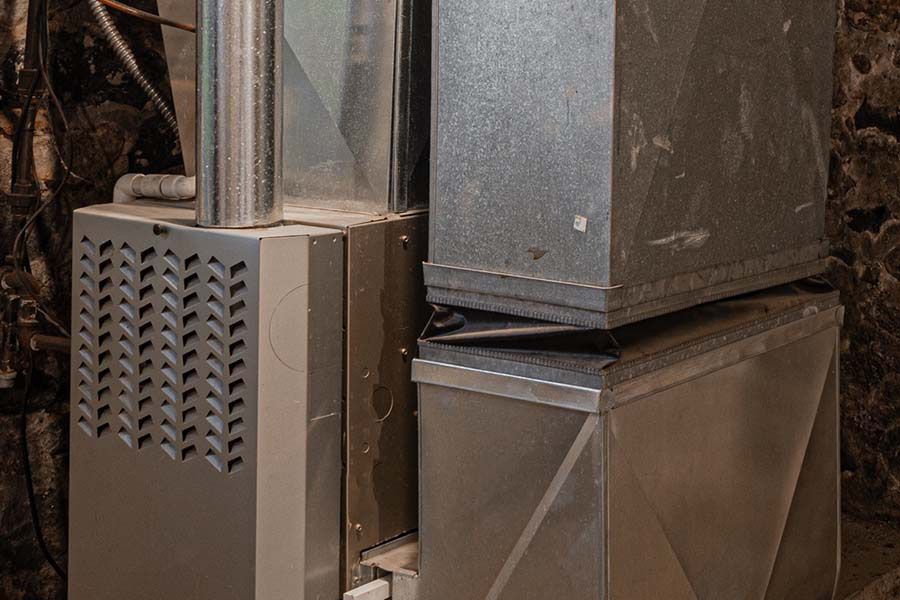
First, verify that your new furnace meets local energy efficiency standards. These regulations often dictate specific AFUE (Annual Fuel Utilization Efficiency) ratings for gas furnaces.
Next, consider venting requirements. Proper venting is vital for safety and efficiency, so make certain your installation adheres to guidelines regarding venting materials and clearances.
You also need to follow electrical codes, especially if you're installing a furnace that requires electrical connections. This includes confirming that your electrical supply meets the furnace's specifications.
Finally, don't forget about safety regulations, such as carbon monoxide detectors, which must be installed in proximity to the furnace. Additionally, ensure your furnace installation includes emergency services that can promptly address any issues that arise post-installation.
Familiarizing yourself with these regulations will help guarantee a safe and compliant installation.
Consequences of Neglecting Permits and Regulations
Neglecting permits and regulations during your furnace installation can lead to serious consequences that you mightn't immediately foresee.
You could face hefty fines, and your insurance mightn't cover damages if something goes wrong. Additionally, improper installation can compromise your system's efficiency and safety, putting your home at risk.
Here are some potential repercussions:
- Fines and Penalties: Local authorities may impose fines for non-compliance.
- Insurance Issues: Without proper permits, your insurance may deny claims related to furnace issues.
- Safety Hazards: Unregulated installations can lead to dangerous situations like gas leaks or fires.
- Decreased Home Value: Non-compliance can negatively affect your property's resale value.
Taking shortcuts might seem tempting, but following regulations guarantees your home stays safe and your investment is protected.
Always prioritize proper permits during your furnace installation.
Conclusion
So, you think skipping the furnace installation permit might save you time and money? Ironically, it could end up costing you a lot more in the long run. By ignoring the regulations, you risk safety hazards, insurance issues, and a decrease in your property value. Obtaining that permit isn't just a boring formality; it's your ticket to peace of mind and a cozy home. Remember, compliance isn't just smart—it's essential!