Furnace Maintenance Tips for a Trouble-Free Winter Season
Think of your furnace as the heart of your home during winter, pumping warmth throughout every room. Focusing on maintenance tasks that prevent costly breakdowns and inefficiencies is essential to keep this essential organ performing smoothly. By scheduling professional inspections annually and verifying air filters are clean, you’ll help maintain ideal airflow and air quality. Don’t forget to check your thermostat settings or inspect heating vents for blockages. These steps might seem minor, but they can make all the difference. Are you ready to explore how simple actions guarantee a cozy winter for you and your family?
Schedule a Professional Inspection
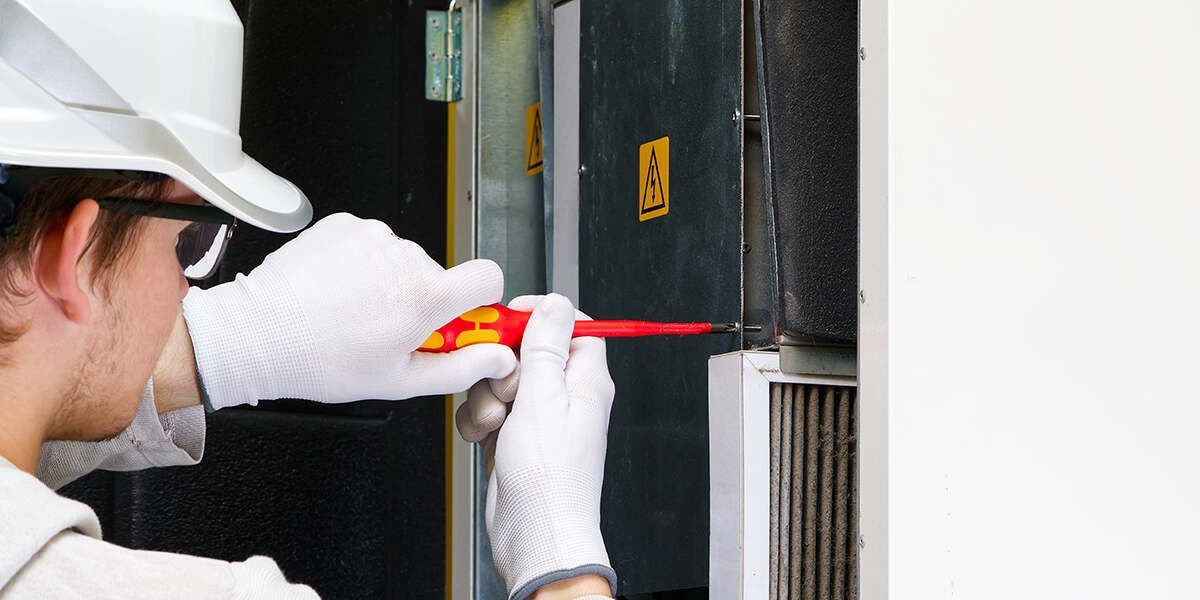
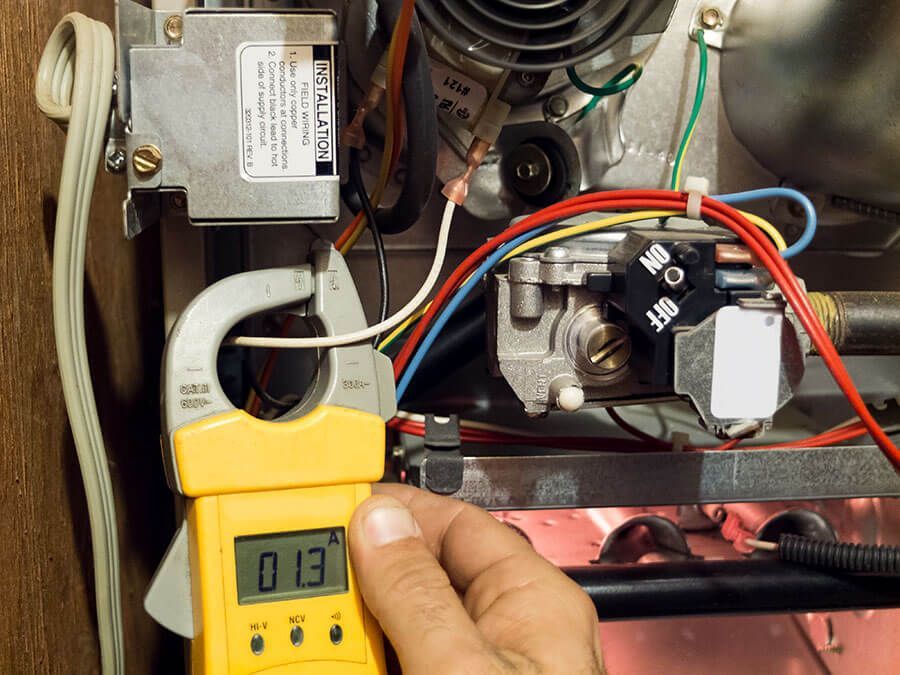
To guarantee peak performance of your furnace, schedule a professional inspection annually to identify and address any potential issues early. A certified technician will meticulously examine components like the heat exchanger, blower motor, and burner assembly during this inspection. They’ll check for wear, corrosion, and proper functionality, ensuring your system runs efficiently and safely. Technicians will also test for carbon monoxide leaks, safeguarding your household from potential harm. You prevent costly repairs and unexpected breakdowns by addressing minor concerns before they escalate. Regular inspections extend your furnace’s lifespan and improve energy efficiency, benefiting your home and the environment. Prioritize these professional evaluations as part of your service routine, reflecting your commitment to maintaining a comfortable, safe living space for others.
Replace or Clean Air Filters
Regularly replacing or cleaning your furnace’s air filters is essential for maintaining ideal airflow and guaranteeing efficient operation. Clogged filters restrict airflow, causing your furnace to work harder, which can lead to increased energy bills and potential damage. To keep your furnace performing at its best, check the air filters monthly, especially during the heating season. When you replace or clean your filters, you’re extending the life of your furnace and improving the air quality in your home.
Consider these benefits:
- Improved Efficiency: Clean filters allow your furnace to operate smoothly.
- Enhanced Air Quality: Capture dust, allergens, and pollutants.
- Lower Energy Bills: Reduce energy consumption and costs.
- Extended Furnace Lifespan: Prevent unnecessary wear and tear.
- Peace of Mind: Guarantee a warm, cozy home for your family.
Check Thermostat Settings
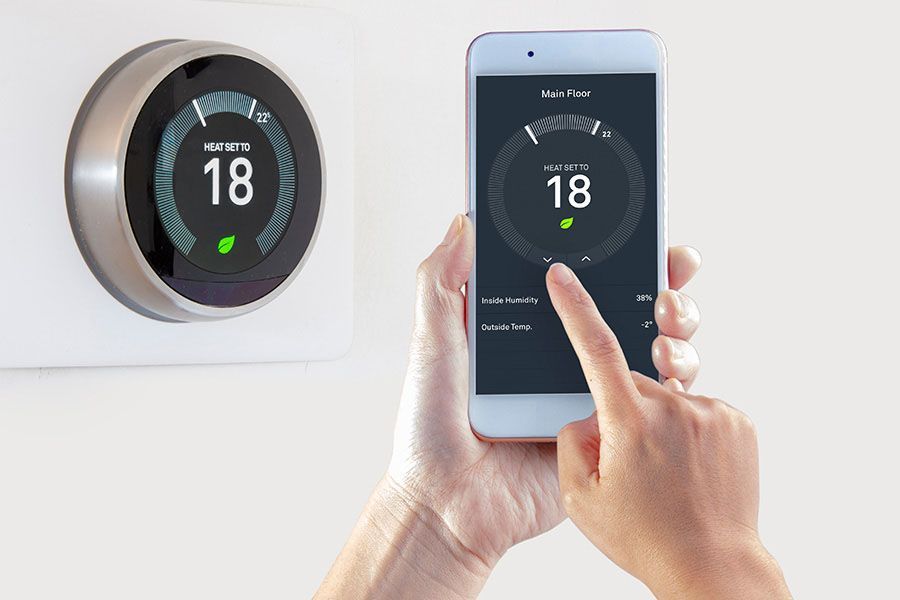
Ensure your thermostat is correctly set and programmed to maximize your furnace’s performance and energy efficiency. Begin by verifying the thermostat’s current settings, ensuring they align with your household’s schedule. Adjust the temperature settings to conserve energy when you’re home, asleep, or away. Utilize programmable or smart thermostats for automated adjustments. Check the thermostat’s batteries, replacing them if necessary to prevent unexpected failures. Confirm that the thermostat is in heating mode and set to the desired temperature. Calibrate the thermostat to guarantee accurate temperature readings by comparing it with a reliable thermometer. Examine the thermostat’s placement; it shouldn’t be near heat sources or drafts that could cause false readings. Regularly review settings to maintain ideal comfort and efficiency.
Inspect Heating Vents
Start by thoroughly examining all heating vents to verify they are unobstructed and clean, facilitating optimal airflow and furnace efficiency. To achieve this, ensure furniture, drapes, or other objects are not blocking vents. A clear path for air circulation is essential for peak performance and comfort. Pay attention to any dust or debris buildup that might be affecting airflow. Regular checks can prevent issues before they escalate, guaranteeing a cozy environment for those you care for. Consider the impact:
- Blocked vents can lead to uneven heating, causing discomfort.
- Dusty vents may circulate allergens, affecting health.
- Restricted airflow reduces energy efficiency, increasing costs.
- Neglecting vent inspections can lead to furnace strain.
- Clean vents contribute to safer home environments.
Clean Furnace Components
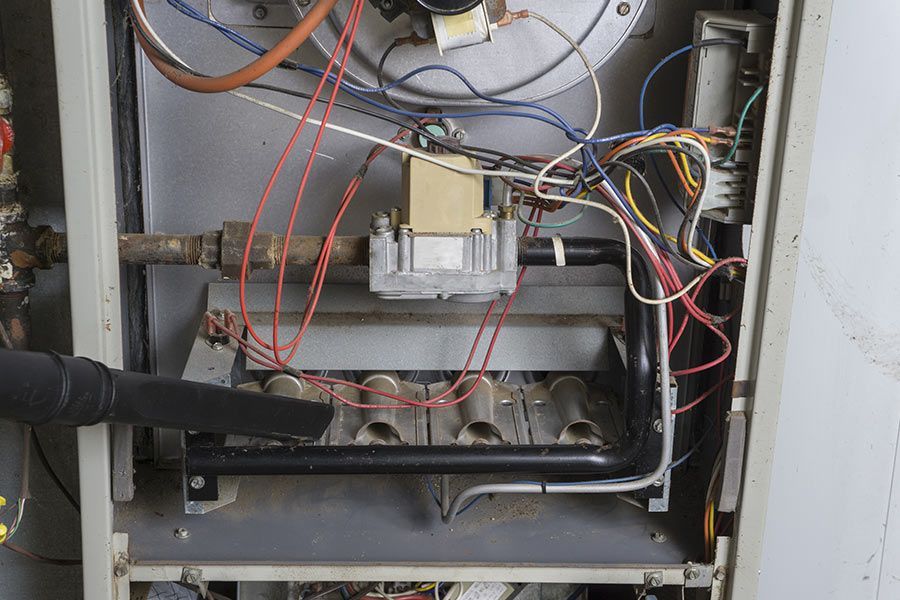
Guarantee peak furnace performance by meticulously cleaning components such as the blower, motor, and filters to prevent dust accumulation and mechanical issues. Begin by turning off the furnace and disconnecting power. Remove the blower assembly; use a vacuum with a brush attachment to clear away dust and debris clinging to the blades. Carefully clean the motor housing, ensuring no foreign particles impede operation. Replace filters every three months or as needed to maintain ideal air quality and airflow. When cleaning, inspect for any wear or damage, addressing these promptly to avoid future problems. Regular cleaning extends the furnace's lifespan and enhances efficiency, ensuring you provide a warm, comfortable environment for those you serve.
Test Carbon Monoxide Detectors
While maintaining your furnace, confirm the safety of your environment by testing carbon monoxide detectors to verify they are functioning correctly. This step is essential as carbon monoxide is odorless and can be deadly. Start by pressing the test button on each detector. If you don’t hear a sound, replace the batteries immediately. Make sure each detector is placed near sleeping areas and shared spaces. Regular testing can protect your loved ones from harm.
Consider these vital points:
- Lifesaving Protection: A working detector can save lives.
- Peace of Mind: Know your home is safe.
- Simple Maintenance: Testing takes just seconds.
- Family Safety: Protect those you care about.
- Timely Alerts: Early detection prevents tragedy.
Prioritize this task to serve and protect others effectively.
Seal Air Leaks
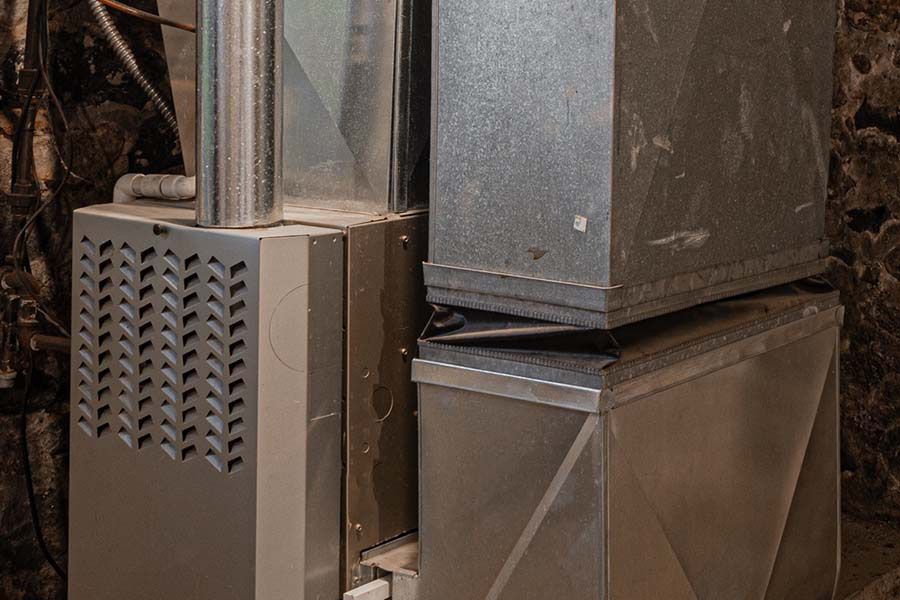
Identifying and sealing air leaks in your furnace system enhances energy efficiency and reduces heating costs. Inspect ductwork for visible gaps, cracks, or poorly connected joints. Use a flashlight to examine areas where ducts meet walls or floors. If you detect leaks, apply mastic sealant or metal foil tape, guaranteeing complete coverage for peak results. Pay special attention to seams and corners, which are common trouble spots. Check around the furnace itself—look for gaps between the unit and its housing. Confirm all connections are snug. Don’t forget to examine vent registers and grilles for any unsealed edges. By addressing these leaks, you improve system performance and contribute to a warmer, more comfortable home for those you serve.
Lubricate Moving Parts
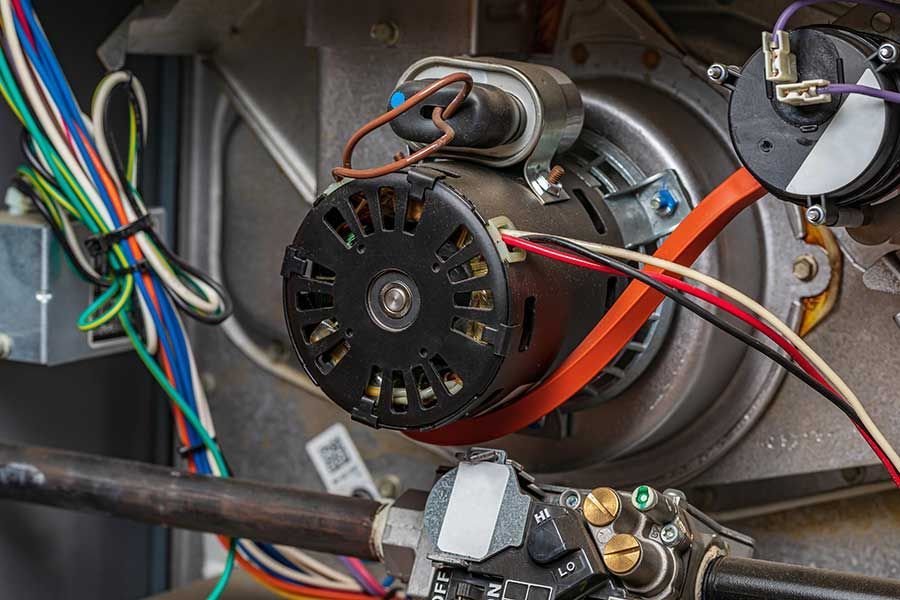
Properly lubricating your furnace's moving parts guarantees smooth operation and reduces wear and tear on the system. Focus on components like the blower motor, fan blades, and bearings. Use a high-quality, non-detergent oil designed explicitly for furnace parts. Apply sparingly to avoid excess, which can attract dust. Regular lubrication ensures that your furnace remains efficient, minimizing energy consumption and extending its lifespan.
Consider the benefits of diligent maintenance:
- Peace of mind: Know your furnace is ready to serve your household reliably.
- Efficiency: Lower energy bills through optimized performance.
- Longevity: Extend your furnace’s lifespan, saving on costly replacements.
- Safety: Reduce risks associated with mechanical failures.
- Comfort: Maintain consistent warmth for those who depend on you.
Monitor Pilot Light
Guaranteeing the pilot light on your furnace burns a steady blue flame is essential for ideal performance and safety. If the flame appears yellow or flickers, it might indicate a problem with combustion efficiency or a potential safety hazard. Regularly check the pilot light to confirm it’s not obstructed by dust or debris, which can affect its stability. Use a flashlight to inspect its color and steadiness. Follow the manufacturer’s guide or consult a professional if adjustments are necessary. Don’t hesitate to turn off the gas supply and ventilate the area if you detect any unusual odors. Monitoring the pilot light helps guarantee the furnace operates efficiently, providing warmth and comfort to those you serve during colder months.
Ensure Proper Ventilation
Maintaining clear and unobstructed vents is essential to guaranteeing your furnace operates safely and efficiently by preventing the buildup of harmful gases like carbon monoxide. Begin by inspecting your furnace’s vents and flue pipes regularly. Confirm that there’s no debris or blockages that could impede proper airflow. To avoid leaks, you should also verify that your ventilation system is correctly aligned. Understanding the importance of proper ventilation helps protect your household and guarantees a warm, safe environment.
Remember, neglecting ventilation can lead to:
- Dangerous carbon monoxide leaks
- Inefficient furnace performance
- Increased energy costs
- Unnecessary stress on the furnace system
- Potential health risks for your family
Conclusion
Think of your furnace as a guardian knight, shielding your home from winter’s icy grip. By donning the armor of regular inspections and wielding the sword of clean air filters, you empower this knight to stand firm. Adjust its thermostat compass, clear its vent pathways, and seal its ductwork shield. Lubricate its joints, watch over its pilot flame, and guarantee its breath flows freely. With these actions, your fortress remains warm, safe, and steadfast through winter’s siege.
Frequently Asked Questions
How Often Should I Check My Furnace’s Energy Efficiency Rating?
You should check your furnace’s energy efficiency rating annually. Doing so guarantees it’s operating at peak performance, reducing energy waste and costs. An efficient furnace keeps your home comfortable, allowing you to focus on helping others during winter.
What are the signs that my furnace is nearing the end of its lifespan?
You’ll notice inconsistent heating, strange noises, increased energy bills, frequent repairs, and yellow burner flames. Check for rust, cracks, or corrosion. If you suspect your furnace is failing, prioritize safety by seeking professional advice.
How Can I Reduce Noise From My Furnace?
Think of your furnace as a whispering friend rather than a roaring beast. Tighten loose panels, insulate ducts, and replace noisy components. Regularly clean filters and lubricate motor parts to maintain harmony and serve your household quietly.
What Should I Do if My Furnace Smells Strange?
If your furnace smells strange, immediately turn it off and check for gas leaks. Inspect filter and ventilation for blockages. Contact a professional technician for a thorough inspection and repair to guarantee safety and functionality.
Can I Perform Minor Repairs on My Furnace Myself?
You can perform minor furnace repairs like replacing filters or resetting breakers. Follow the manufacturer’s guidelines closely. Always ensure your safety by turning off the power before starting any repair to serve your household effectively.