Which Way Does Furnace Airflow Travel? A Lexington Homeowner's Guide
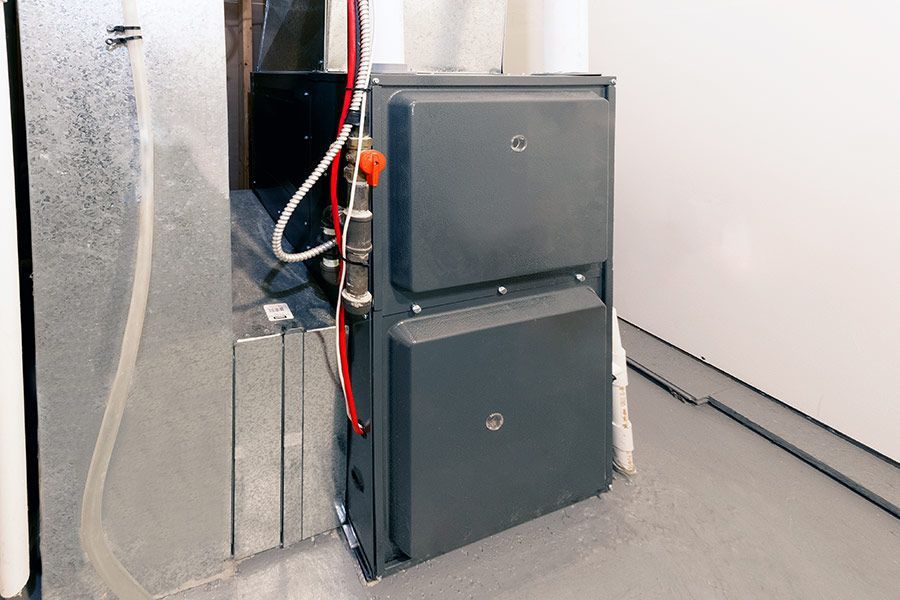
Furnace airflow moves in one loop: return ducts pull air in, the furnace heats it, and supply ducts push it back out to your rooms. Whether that heated air travels up or down depends on your furnace type. An upflow furnace sends it upward. A downflow furnace sends it down.
Watson Heating & Air has served Lexington and Central Kentucky since 2011. Our family-owned team is available 24/7, including nights, weekends, and holidays.
Key Points
- The Path: Return ducts pull air in, the furnace heats it, supply ducts send it back out.
- Upflow vs Downflow: Your furnace type decides whether heated air travels up or down.
- Filter Arrow: The arrow printed on the filter always points toward the furnace.
- Wrong Orientation Hurts: A backward filter blocks airflow and can damage the blower.
- Common Culprits: Clogged ducts, a failing blower motor, and duct leaks all choke airflow.
Where Does Furnace Airflow Come From, and Which Way Does It Travel?
The furnace pulls in cooler air, heats it, and circulates it through your home. The loop starts when return air ducts draw air out of your living spaces and back into the furnace.
That air passes through a filter and gets heated by the burner or heating elements. From there it moves into the supply ducts, which distribute warm air throughout the house.
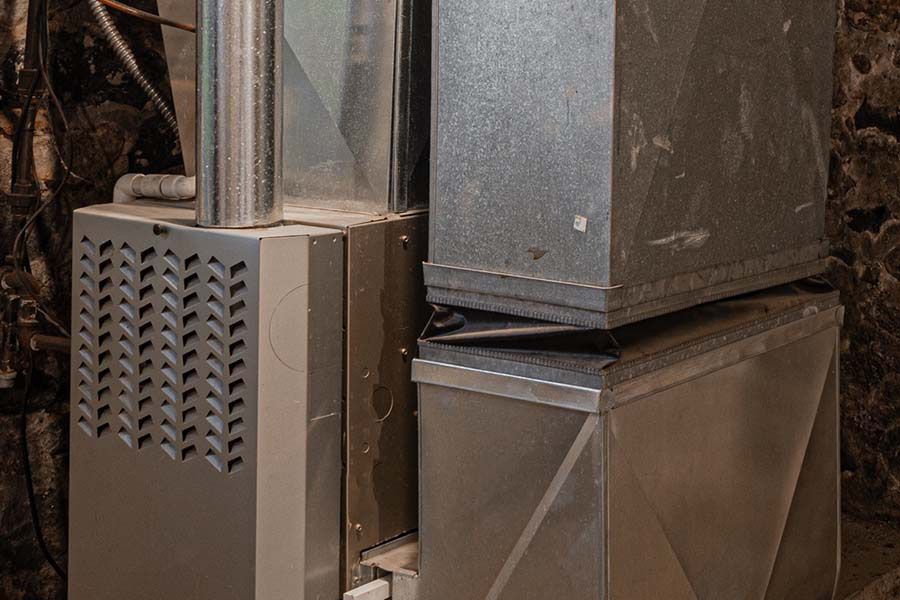
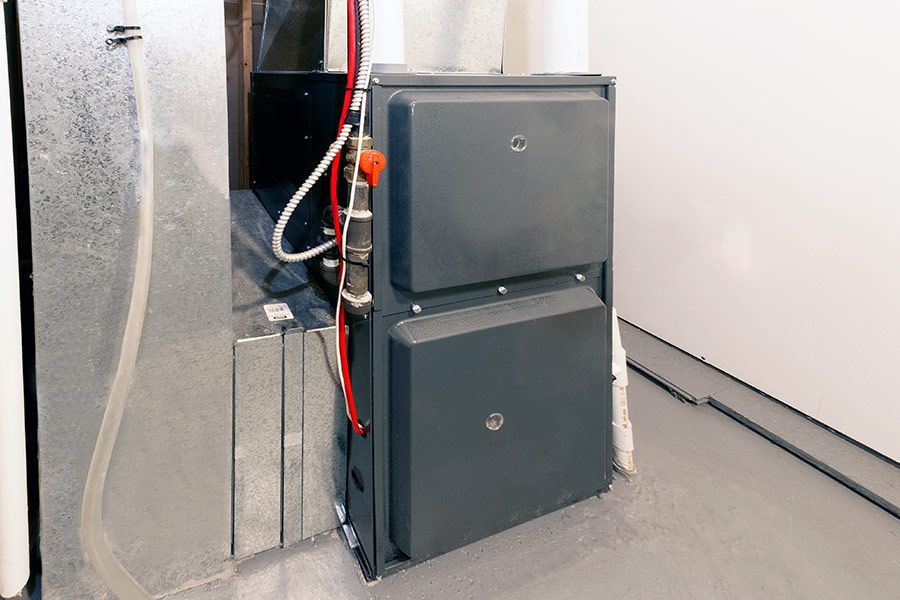
Direction depends on the equipment. Upflow furnaces push heated air upward into the supply ducts. Downflow furnaces send it downward. Knowing which you have makes maintenance far easier.
How Do You Install a Furnace Filter in the Right Direction?
A backward filter blocks airflow, cuts efficiency, and can damage the blower. Every ENERGY STAR heating and cooling maintenance checklist starts with the filter for that reason. Follow these five steps.
- Check the Arrow: Most filters have an arrow printed on the side showing airflow direction. It always points toward the furnace.
- Position It Correctly: Insert the filter with the arrow facing the furnace intake side, so air gets filtered before it reaches the heat exchanger.
- Seat It Snugly: A loose or misaligned filter lets air bypass it entirely, which defeats the purpose and hurts performance.
- Match the Size: Use the dimensions the manufacturer specifies. An incorrect size leaves gaps that let unfiltered air through.
- Replace on Schedule: A clogged filter blocks airflow even when installed correctly. Change it every 30 to 90 days depending on usage and filter type.
If keeping up with it is the hard part, our air filter replacement service handles it for you.
What Common Furnace Airflow Problems Should You Check?
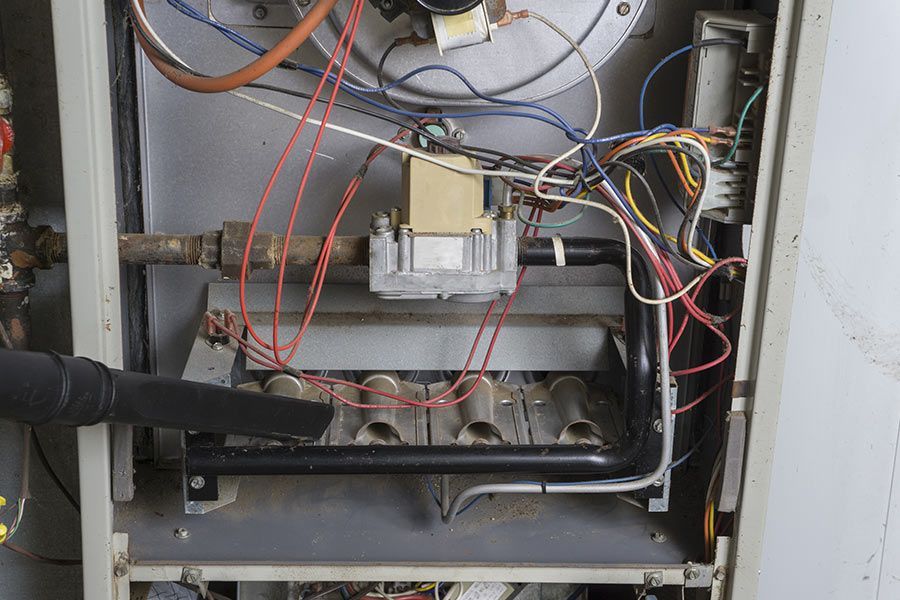
If your furnace is running but not producing enough heat, the blower or the ducts are the usual suspects. Start here.
- Clogged Ducts: Dust and debris build up in return and supply ducts and choke off airflow.
- Failing Blower Motor: A blower that is not turning at full strength cannot circulate air efficiently.
- Duct Leaks or Damage: Leaks waste heated air inside your walls and ceilings instead of delivering it to rooms. Ductwork repair and sealing stops that loss.
Checking those three is a reasonable first pass. Systems across Lexington vary enough that an expert should evaluate anything you cannot pin down.
Frequently Asked Questions
How do I know if I have an upflow or downflow furnace?
Look at where the supply ducts leave the unit. If they run out of the top, you have an upflow furnace. If they exit the bottom, it is a downflow. Basement installations are commonly upflow, and attic or closet installations are often downflow.
What happens if I put the furnace filter in backward?
Airflow drops, the furnace works harder to move the same air, and the blower takes on extra strain. You may also notice more dust in the house, because a backward filter does not seat properly against the airflow.
Why is my furnace running but barely heating?
Weak furnace airflow is the usual explanation. A clogged filter, blocked ducts, or a struggling blower motor all produce that symptom. Our team diagnoses the cause during furnace repair in Lexington, KY rather than guessing at it.
How often should furnace airflow be checked professionally?
Once a year before heating season is the standard. Annual furnace maintenance in Lexington catches restricted airflow before it turns into a no-heat call in January.
Get Your Furnace Airflow Checked in Lexington, KY
You no longer have to guess which way the air moves through your furnace. Regular inspections keep that airflow where it belongs, and catching a restriction early costs far less than replacing a burned-out blower.
Watson Heating & Air has protected Central Kentucky homes since 2011, with same-day service and upfront pricing. Contact our team today to schedule an inspection.