When Does a Heat Pump Switch to Emergency Heat in Richmond, KY?
A heat pump switches to emergency heat when outdoor temperatures fall below roughly 25 to 30°F or when a malfunction stops it from pulling heat from the outside air. In Richmond, KY winters, that transition keeps your home warm when your heat pump reaches its limit. Watson Heating & Air has helped Richmond homeowners understand and maintain their heat pumps since 2011, and we will explain exactly when and why this happens.
Key Points
- Emergency heat is a backup that engages when your heat pump can no longer efficiently extract heat from cold air.
- The most common trigger is outdoor temperatures below 25 to 30°F.
- A malfunctioning outdoor unit, frozen coils, or incorrect thermostat settings can also activate it.
- Emergency heat is less efficient, so frequent use signals a problem worth inspecting.
- Watson Heating & Air provides heat pump repair and maintenance across Richmond and Central KY.
Understanding when and why your heat pump switches to emergency heat helps you protect your home's comfort and energy efficiency. If you are considering an upgrade, our team offers expert heat pump installation in Richmond, KY.
What Is the Point of a Heat Pump's Emergency Heat Setting?
Your heat pump's emergency heat setting is a backup that engages when temperatures drop below the system's efficient operating range. It keeps your home warm during extreme cold, protects the heat pump from damage, and provides heat during malfunctions or defrost cycles. Because emergency heat is less efficient than normal operation, frequent use is a sign your system needs a professional check-up.
What Can Trigger Heat Pump Emergency Heat Activation?
Heat pumps warm your home by extracting heat from the outdoor air. When it gets too cold to do that efficiently, the system activates emergency heat. Here are the common conditions that trigger it.
Low Temperature Thresholds
Emergency heat typically engages when outdoor temperatures fall below 25 to 30°F. At that point, your heat pump's efficiency drops and it struggles to maintain a comfortable indoor temperature. The backup, also called auxiliary heating mode, uses electric resistance heating elements, which are less efficient but produce heat even in extreme cold. For a deeper look at how heat pumps perform in cold climates, the U.S. Department of Energy offers detailed guidance.
Extremely Low Outdoor Temperatures During Richmond Winters
When the mercury plummets, your heat pump works harder to pull heat from cold air. In Richmond, KY, where winter temperatures dip into the teens or single digits, your heat pump can reach its limit. The system switches to emergency heat automatically to keep your home warm, and you may notice a slight increase in your energy bill during these periods.
Malfunctioning Outdoor Unit
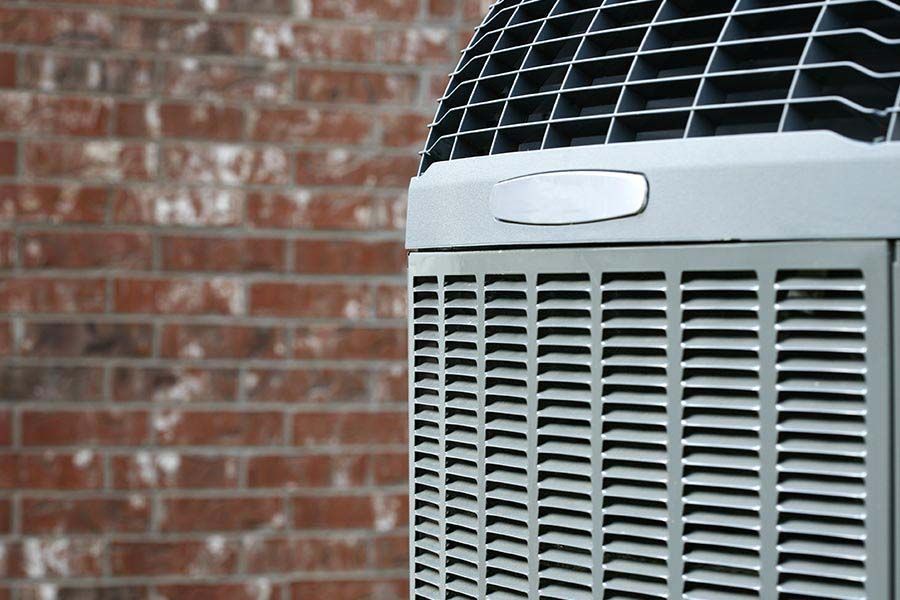
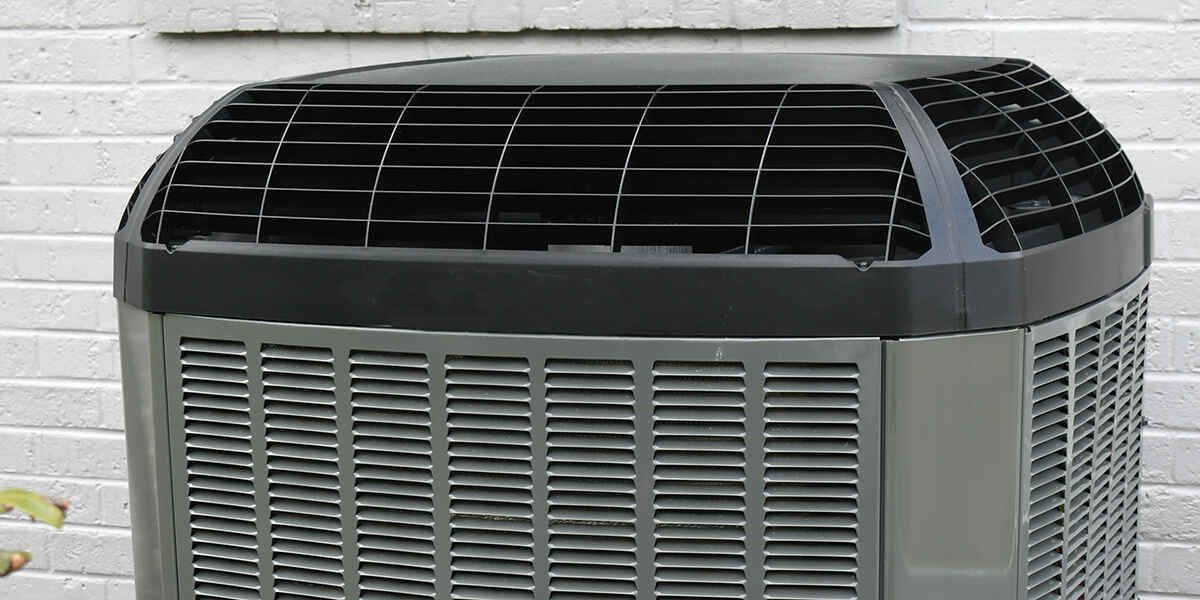
Problems with the outdoor unit can trigger emergency heat. A failing compressor, damaged fan motor, or refrigerant leak impairs the unit's ability to transfer heat. In these cases, the system uses emergency heat to keep your home warm while protecting the outdoor unit. If your system runs on emergency heat frequently, have a professional inspect the outdoor unit through professional heat pump repair.
Frozen Evaporator Coils
In winter, your heat pump's outdoor coils can accumulate frost or ice. The defrost cycle normally manages this, but severe weather or a malfunction can cause excessive buildup. When the coils freeze, heat transfer becomes impossible and the system switches to emergency heat. Regular seasonal heating maintenance keeps the defrost cycle working properly.
Thermostat Settings
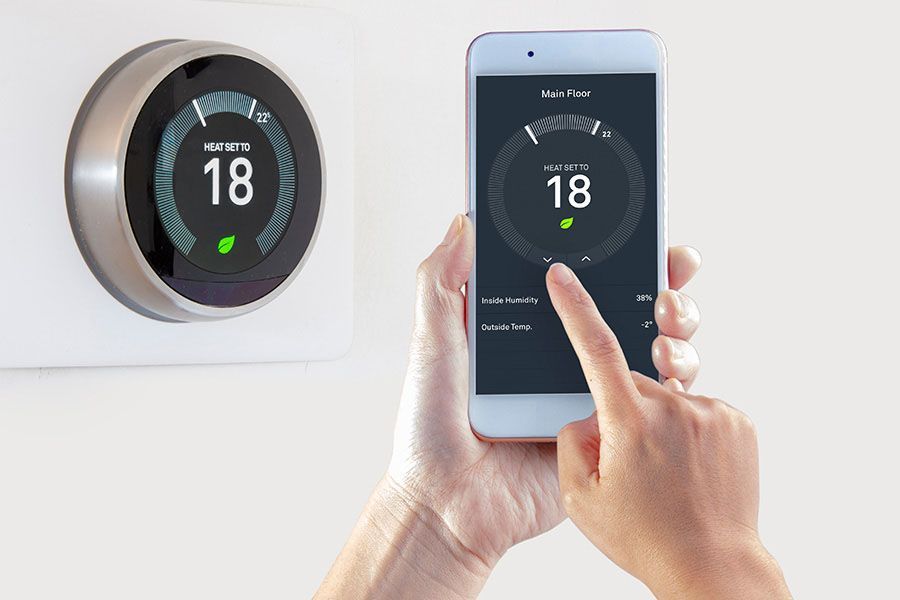
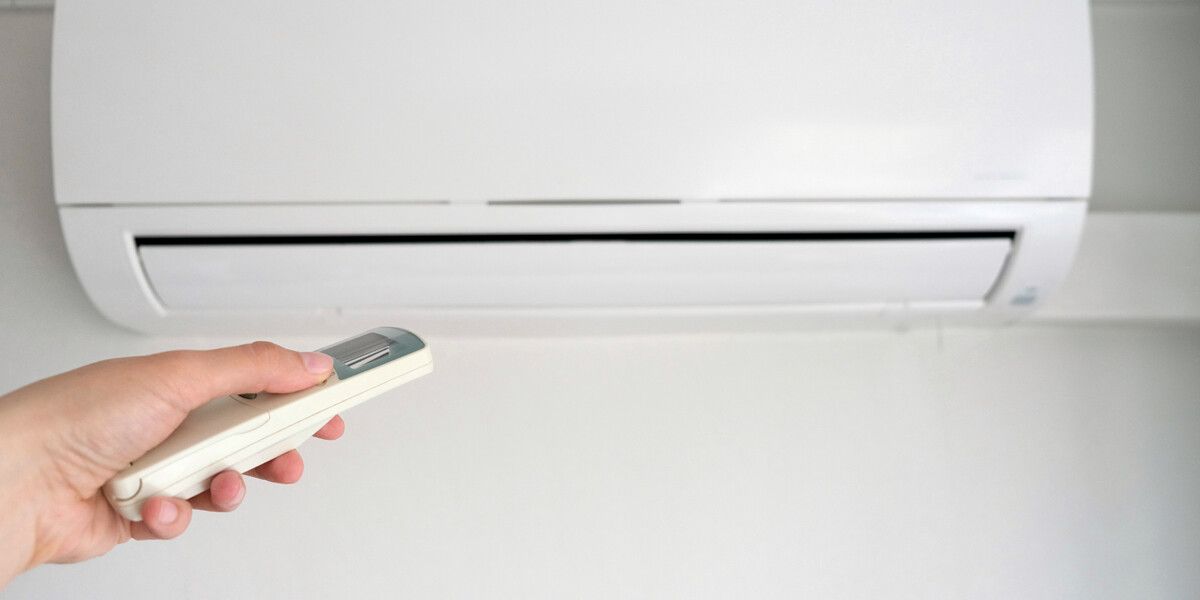
Sometimes the culprit is right on your wall. Incorrect or malfunctioning thermostat settings can trigger emergency heat prematurely. For example, raising the temperature more than a few degrees at once causes some thermostats to activate emergency heat to reach the target quickly. Make gradual adjustments and keep your thermostat calibrated and functioning properly.
When Heat Pump Efficiency Drops, Call Watson Heating & Air in Richmond, KY
Knowing when your heat pump switches to emergency heat helps you keep your home comfortable and efficient all winter. At Watson Heating & Air, we are committed to helping Richmond, KY homeowners year-round, whether you need routine maintenance, emergency repairs, or an upgrade to a more efficient system. If your heat pump is leaning on emergency heat too often, contact our team today for same-day service with upfront pricing.
Frequently Asked Questions
At what temperature does a heat pump switch to emergency heat?
Most heat pumps switch to emergency heat when outdoor temperatures fall below roughly 25 to 30°F. Below that range, the system can no longer pull enough heat from the outside air efficiently, so the backup electric heating elements take over to keep your home warm.
Is it bad to run my heat pump on emergency heat?
Emergency heat is safe, but it is far less efficient and will raise your energy bill if it runs often. It is meant as a temporary backup during extreme cold or a malfunction. If your system uses emergency heat frequently, that is a sign it needs a professional inspection.
Why did my heat pump switch to emergency heat when it is not that cold?
If emergency heat activates in mild weather, the cause is usually a malfunctioning outdoor unit, frozen coils, or a thermostat problem. Raising the temperature too many degrees at once can also trigger it. A technician can pinpoint the exact cause and correct it.
How do I keep my heat pump from relying on emergency heat?
Regular maintenance is the best prevention. Keeping coils clean, refrigerant charged, and the defrost cycle working properly helps your heat pump run efficiently longer into cold weather. Making gradual thermostat adjustments also prevents unnecessary emergency heat activation.