What Are the Symptoms of a Dirty Furnace Burner?
Watson Heating & Air
May 8, 2025
HVAC contractor in Richmond, KY

Is your Berea home feeling colder than usual despite your furnace running constantly? Dirty furnace burners often go unnoticed until they cause significant comfort issues or safety concerns during Kentucky's chilly winters. Understanding the warning signs can help you avoid expensive repairs and keep your family comfortable throughout the cold season.


In this guide, Watson Heating & Air will explain the symptoms of dirty furnace burners and why timely heating services in Berea, KY, are essential for maintaining your system.


Visual Warning Signs of Dirty Furnace Burners in Berea Homes

When temperatures drop across Berea, your furnace works overtime to keep your home comfortable. Dirty furnace burner signs often appear gradually, making them easy to overlook.


Here are some visual indicators to watch for:

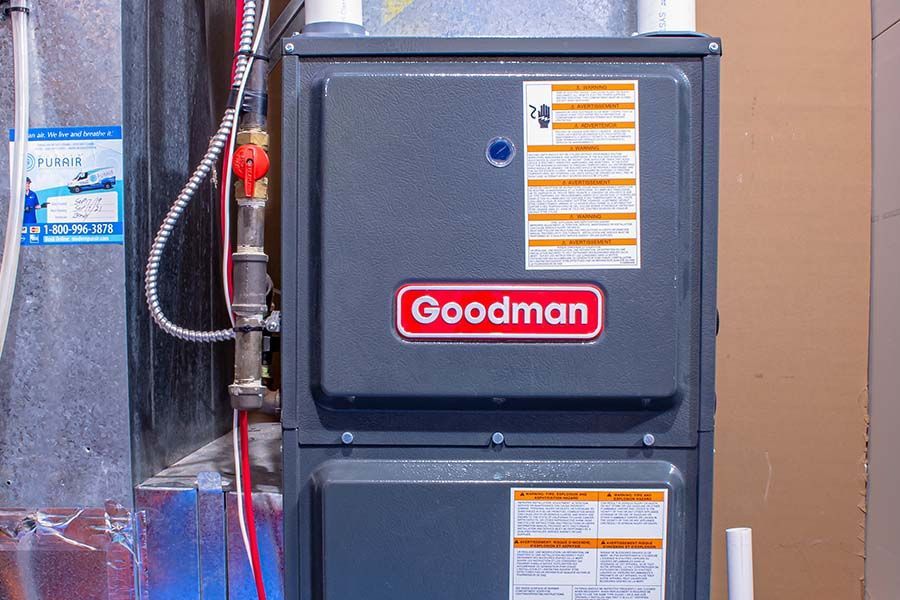
  • Your furnace produces yellow or orange flames instead of the healthy blue color that indicates proper combustion.
  • You notice soot or black residue accumulating around your furnace unit or on nearby walls and surfaces.
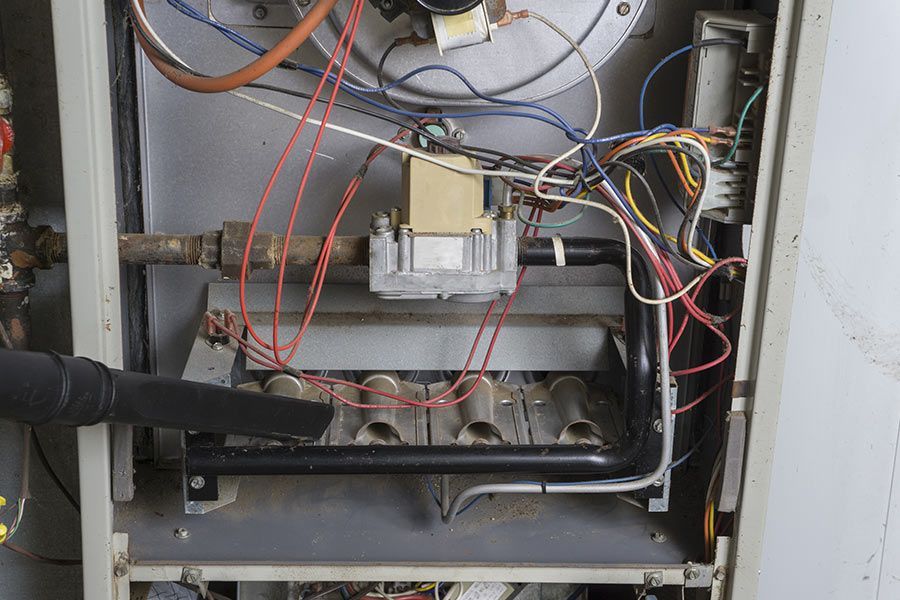
  • The burner assembly has visible dust and debris that have collected over time, especially after periods of non-use.
  • The metal components of your burners show signs of rust or corrosion that can restrict gas flow and proper operation.

As Berea temperatures fluctuate throughout the winter, furnace flame color issues become more apparent during periods of heavy use. Any change in flame color signals incomplete combustion, which not only reduces efficiency but can also produce harmful carbon monoxide. This is particularly concerning for Berea residents with older homes that may have less ventilation.


Recognizing Furnace Burner Problems Through Strange Odors and Sounds

Pay attention to what you see or hear when your heating system kicks on.


Do you hear a loud popping or banging when your system ignites? A noisy furnace burner often indicates delayed ignition, which is one of the classic symptoms of dirty furnace burners. This occurs when dirt prevents proper ignition, allowing gas to build up before finally lighting with a startling boom.


For Berea homeowners, these sounds are especially common after periods of disuse, such as during Kentucky's milder fall weather.

You might also notice unusual odors circulating through your Berea home. Dirty burners can produce a distinct burning smell as dust and debris combust, affecting your indoor air quality and potentially triggering respiratory issues for sensitive family members.


Performance-Related Symptoms of Dirty Furnace Burners

Beyond the visible and audible symptoms of a clogged burner, your furnace's performance offers important clues. Berea residents often notice these issues most during January and February—our region's coldest months. This inefficiency translates directly to higher utility costs for your Berea home.


Performance warning signs include the following:

  • Your energy bills have increased significantly even though your heating habits haven't changed.
  • Your furnace runs for extended periods as it struggles to reach the temperature set on your thermostat.
  • You notice your system turning on and off frequently in short cycles instead of running through normal heating cycles.
  • The airflow coming from your vents feels weaker than usual, indicating that your system is struggling to distribute heat properly.
  • Some rooms in your Berea home feel noticeably colder than others, creating uncomfortable temperature variations.


Berea Homeowners' Guide to Furnace Maintenance

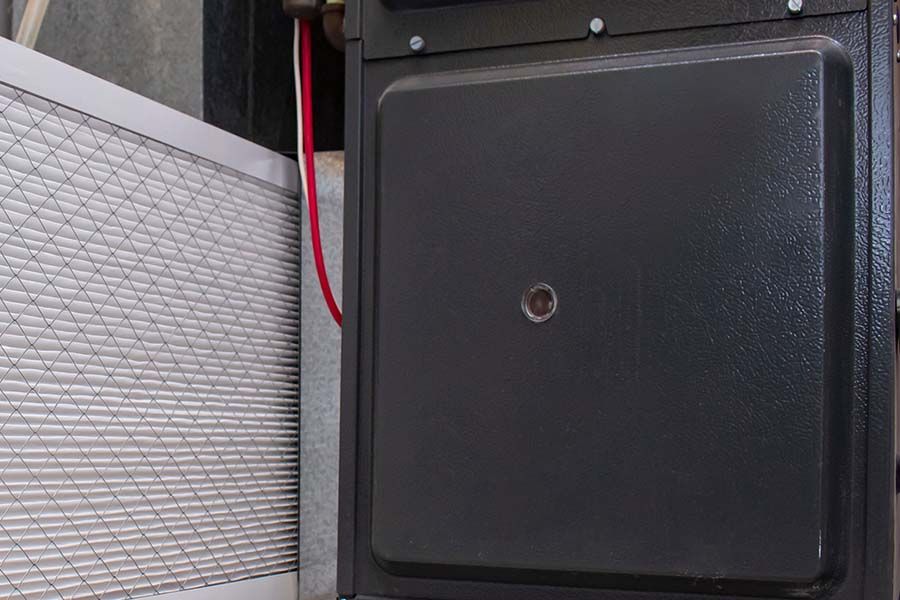
Keeping your furnace burner clean requires preventative measures and professional expertise. Replace your furnace filter every one to three months, depending on usage and household conditions. Keep the area around your furnace clear of debris, dust, and stored items that could restrict airflow or create fire hazards in your home.


While these simple steps help, professional maintenance remains essential for residents of Berea. Licensed technicians have specialized tools to safely access, inspect, and clean furnace burners without risking damage to sensitive components. For homes with older heating systems, professional maintenance becomes even more critical as aging furnaces are more susceptible to burner issues and efficiency problems.

We recommend scheduling maintenance from licensed technicians at least once or twice per year.
Furnace Maintenance Tips

Trust Watson Heating & Air for Expert Furnace Maintenance Services in Berea

Recognizing the symptoms of dirty furnace burners is the first step toward resolving heating inefficiencies in your Berea home. Our expert technicians at Watson Heating & Air can quickly diagnose and clean your system to restore proper operation.


Don't struggle with furnace maintenance tasks like fixing a stuck furnace filter on your own. We provide comprehensive furnace cleaning and inspection services that address all components for optimal performance.


If you're experiencing symptoms of dirty furnace burners in Berea or surrounding areas, contact Watson Heating & Air today for professional assistance.
By SEOCH • October 1, 2026
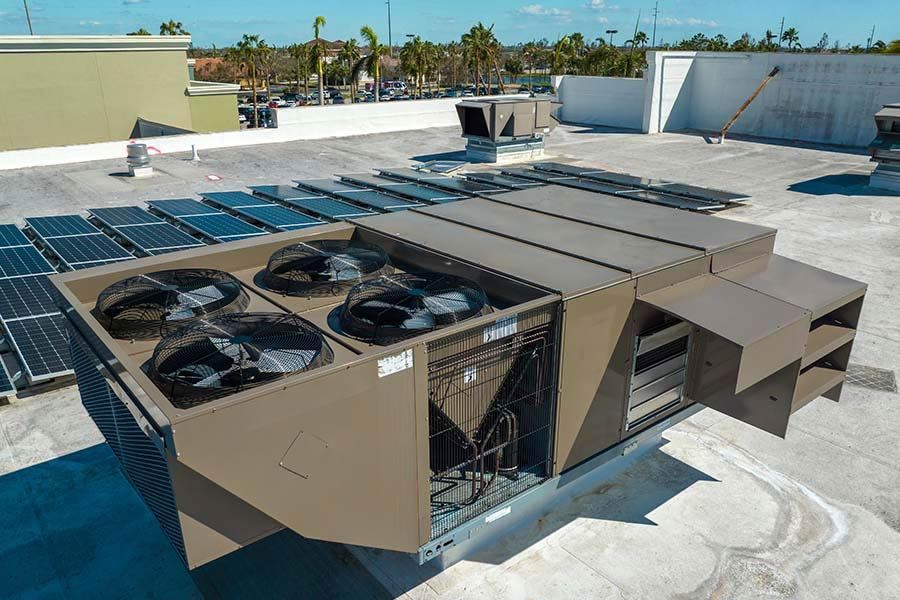
Commercial HVAC systems carry a different kind of load than residential equipment — larger occupied spaces, more demanding airflow requirements, and often longer daily run times. In Lexington, KY, where businesses ranging from office parks along New Circle Road to retail in Hamburg Pavilion depend on reliable climate control, preparing a commercial system before heavy seasonal use isn't optional. It's the difference between a smooth peak season and a mid-summer emergency service call. Here's what Watson Heating & Air addresses when preparing commercial systems for heavy use. 1. Essential Maintenance Checks A thorough pre-season inspection covers the components most likely to cause failure under sustained load. Filters need to be inspected and replaced — commercial systems often use larger media filters that last longer than residential 1-inch filters, but they still require regular attention. Evaporator and condenser coils should be checked for dirt and debris accumulation, and cleaned if needed, since coil fouling directly reduces system capacity and increases energy consumption. Refrigerant levels, electrical connections, and belt tension on older systems with belt-driven fans should all be verified before the system is put under peak demand. Catching a low refrigerant charge or a failing contactor during a scheduled maintenance visit costs a fraction of what an emergency repair costs when the system fails on a 95-degree afternoon. Watson Heating & Air's commercial HVAC service for Lexington businesses covers all of these checkpoints systematically. 2. Proper Insulation for Energy Efficiency Insulation in commercial buildings affects HVAC performance in ways that are often underestimated. Poorly insulated duct runs in unconditioned spaces — mechanical rooms, roof cavities, or parking structures — allow significant heat gain into the conditioned air supply before it reaches the occupied space. This forces the system to work harder to maintain comfort, increasing both energy consumption and equipment wear. For Lexington commercial properties undergoing renovation or those with aging building envelopes, an insulation assessment is a worthwhile investment before heavy HVAC use resumes. Even targeted upgrades in high-loss areas can produce measurable improvements in system efficiency and occupant comfort. 3. Smart Thermostat and Controls Upgrades Building automation and smart thermostat technology has advanced significantly, and older commercial properties still using basic programmable controls are leaving efficiency on the table. Modern commercial thermostats and building control systems offer: Remote monitoring and adjustment — allowing facilities managers to respond to issues without being on-site. Occupancy-based scheduling — so HVAC loads are matched to actual building use rather than fixed time schedules. Energy usage reporting — providing data to identify waste and optimize settings over time. System integration — allowing HVAC to coordinate with lighting, access control, and other building systems. Watson Heating & Air installs and configures commercial thermostat and controls solutions for Lexington businesses and helps facilities teams understand how to get the most out of them. 4. Ventilation Assessment for Air Quality Commercial ventilation requirements are governed by code standards tied to occupancy type and square footage. Before heavy use, verifying that ventilation rates meet current ASHRAE standards for your building type is both a comfort and a compliance issue. Under-ventilated commercial spaces accumulate CO2, VOCs, and airborne contaminants at levels that impair occupant focus and productivity — sometimes without any obvious symptom other than a building that feels stuffy or where occupants frequently report headaches. Duct cleaning and air balancing are often neglected in commercial systems until a problem becomes obvious. A pre-season airflow and ventilation check ensures the system is delivering the right volume of conditioned, filtered air to every occupied zone. Pairing clean ductwork with quality filtration or a UV purification system creates a healthier environment for employees and customers throughout the Lexington business district. 5. Seasonal Preparation for Lexington's Climate Transitions Lexington's weather can shift quickly between seasons, and commercial systems that are pushed directly from a winter heating configuration into summer cooling mode without a transition check tend to underperform in the early weeks of heavy use. Pre-season preparation involves: Changing over thermostat programs and setpoints for the cooling season. Verifying the economizer function if the system includes outside air controls. Inspecting condensate drain lines and drain pans for clogs or buildup from the heating season. Confirming the cooling sequence of operation for all zones. Scheduling this pre-season work before demand peaks — not after the first complaint — is what keeps Lexington commercial properties running reliably through their busiest periods.
By SEOCH • October 1, 2026
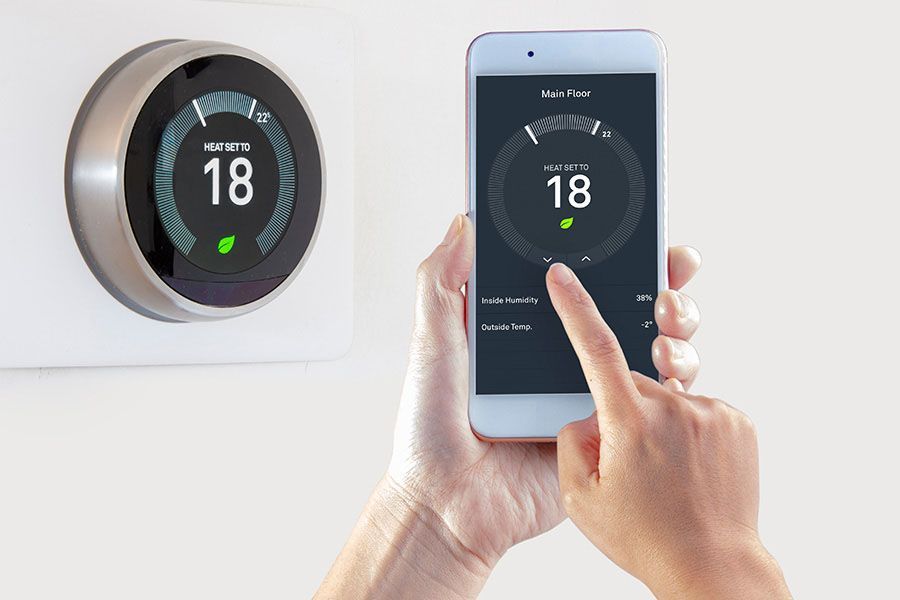
Heating costs in Richmond, KY homes climb steadily from October through February, and a significant portion of that expense comes from heating patterns that don't match how the home is actually being used. A smart thermostat addresses this directly — by learning the household's schedule, responding to occupancy changes, and providing data that makes it easy to optimize settings. Watson Heating & Air installs smart thermostats throughout the Richmond area, and the homeowners who invest in them consistently report measurable reductions in their monthly bills. How Smart Thermostats Reduce Energy Waste Traditional programmable thermostats operate on a fixed schedule — they heat the home at set times regardless of whether anyone is there. Smart thermostats go further by learning from your household's actual patterns and adjusting automatically. When the home is unoccupied on a school day or work morning, the system pulls back to an energy-saving setpoint without any manual input. When occupants are due home, the thermostat anticipates arrival and begins warming the space in time. Many models use geofencing technology, reading the location of connected smartphones to switch between "home" and "away" modes without requiring any manual adjustment. In a Richmond home where schedules vary week to week, this kind of adaptive behavior is more effective than any fixed program. Watson Heating & Air's thermostat installation and service covers the full range of smart thermostat options for Richmond homeowners. Key Features of Smart Thermostats for Richmond Homeowners Learning capability is the headline feature — the thermostat builds a model of your household's patterns and adjusts automatically over the first several weeks of use. But several supporting features add practical value: Remote access via smartphone app: Adjust the temperature from anywhere, which is useful when schedules change unexpectedly. Energy usage reports: Monthly summaries show exactly how the heating system was used and where the most energy was consumed. System runtime alerts: Notifications if the heating system runs unusually long can indicate an HVAC problem worth addressing before it becomes a breakdown. Smart home integration: Compatibility with Amazon Alexa, Google Home, and Apple HomeKit allows voice control and coordination with other smart home devices. For Richmond homeowners who've invested in an efficient furnace or heat pump, a smart thermostat ensures that efficiency is fully realized in operation — not just on the spec sheet. Installation and Setup Most smart thermostats are designed for straightforward installation on existing HVAC wiring, but there are a few important considerations. Homes with older two-wire low-voltage thermostats may need a C-wire (common wire) added to the system to provide constant power to the smart thermostat. Watson Heating & Air handles this as part of the installation process, ensuring the thermostat is connected correctly and the system communicates properly with the new device. Setup involves connecting to the home's Wi-Fi network, configuring the initial schedule, and enabling features like geofencing if desired. Our technicians walk Richmond homeowners through the app setup and verify that the heating system is responding correctly before the visit is complete. Pairing a new smart thermostat installation with furnace maintenance in Richmond ensures both the control and the equipment are optimized at the same time. Real Savings in Richmond Homes The EPA estimates that homeowners who use smart thermostats correctly can save 10 to 12 percent on heating costs annually. In a Richmond home with a typical gas heating bill, that represents a meaningful annual saving. Families who make active use of the remote access features — adjusting the schedule when travel plans change, for instance, or turning down heat during an unexpectedly mild week — typically see results toward the higher end of that range. The savings are most pronounced in homes where previous heating habits were relatively fixed — leaving the heat at the same temperature around the clock, or using a basic programmable thermostat set to a single schedule. The adaptive intelligence of a smart thermostat finds efficiency that those approaches can't. Getting the Most Out of Your Smart Thermostat A smart thermostat performs best when: It's installed in a location with representative temperature readings — away from direct sunlight, exterior doors, and supply air vents. Geofencing is enabled and connected to the phones of the primary occupants. The system's scheduling and setpoint preferences are reviewed after the first month of use, when the thermostat's initial learning period is complete. The HVAC system behind it is properly maintained — a smart thermostat running an inefficient or dirty system can't fully compensate for the equipment's limitations. Regular HVAC maintenance through Watson Heating & Air's Preferred Member Club ensures the system behind the smart thermostat is working as efficiently as the control expects.
By SEOCH • October 1, 2026
A heat pump that stops heating on a cold Irvine, KY morning is a serious problem — particularly once temperatures start dropping in the Estill County area and the system your family depends on isn't performing. Before calling for service, there are a few checks worth running that may resolve the issue quickly or at minimum give a technician useful information when they arrive. Watson Heating & Air has been handling heat pump service calls throughout Irvine and the surrounding area since 2011, and these are the first things we ask homeowners to verify. Common Reasons Your Heat Pump Isn't Heating The most frequent causes of a heat pump failing to heat fall into a handful of categories. Thermostat settings are the first and simplest to check — a system accidentally left on cooling mode or fan-only operation will run without producing heat. Low refrigerant from a leak in the system prevents the heat exchange process from working effectively, regardless of whether the system is in heating or cooling mode. Ice buildup on the outdoor unit is another common issue in Irvine winters. Heat pumps have a defrost cycle designed to manage this, but a malfunctioning defrost board or sensor can allow ice to accumulate to the point where airflow is completely blocked. A tripped circuit breaker, a dirty air filter restricting airflow, or accumulated debris around the outdoor unit can each produce the same symptom: a system that runs but doesn't heat the home. Watson Heating & Air's heat pump repair service diagnoses the actual cause rather than guessing. Checks to Run Before Calling for Service These steps don't require any tools and can rule out the most common simple causes: Thermostat mode: Confirm the thermostat is set to "heat" and that the temperature setpoint is higher than the current room temperature. This sounds obvious, but a system accidentally switched to "cool" or "fan only" is a common finding on service calls. Air filter condition: A clogged filter restricts airflow so severely that the system can't transfer heat effectively. If the filter is gray and dense, replace it before anything else. Outdoor unit clearance: Check that the outdoor unit isn't buried in leaves, debris, or ice buildup. Heat pumps need clear airflow around the unit to operate. Gently clear any debris from the top and sides. Circuit breaker: Check the breaker panel for a tripped breaker on the heat pump circuit. Reset it if tripped and see if the system resumes normal operation. If these checks don't identify the problem, the issue is deeper in the system and requires professional diagnosis. How to Reset Your Heat Pump Safely If the system has been behaving erratically — short cycling, displaying error codes, or failing to start — a system reset sometimes clears temporary faults. The process is straightforward: Locate the outdoor disconnect switch (a weatherproof box mounted near the outdoor unit) and flip it to the off position. Wait at least five minutes. This allows capacitors to discharge and internal controls to reset. Restore power at the disconnect switch, then wait a minute before checking whether the system starts normally. Do not attempt to reset the system more than once. If the same problem recurs immediately after a reset, there's an underlying fault that a reset won't fix and that should be evaluated by a licensed technician. For Irvine homeowners who want to stay ahead of heating issues, Watson's Preferred Member Club includes fall heat pump check-ups before the first cold snap. When Professional Service Is the Right Call If basic checks haven't resolved the issue, or if you're noticing symptoms like unusual sounds from the outdoor unit, error codes on the thermostat display, persistent ice buildup that doesn't clear during defrost, or a system that runs continuously without raising the temperature, professional service is the appropriate next step. These symptoms can indicate a failing defrost board, a refrigerant leak, compressor issues, or a reversing valve problem — all of which require professional diagnosis and repair. Waiting too long when a heat pump is struggling in cold weather risks both family comfort and further damage to the system.
By SEOCH • October 1, 2026
A new furnace is a significant investment for any Richmond, KY homeowner — and like any major home system, it pays to go into the process informed. The right furnace, properly sized and professionally installed, will heat your home reliably for 15 to 20 years. The wrong choice, or a poor installation, can mean years of inadequate performance, high energy bills, and premature equipment failure. Watson Heating & Air has been handling furnace installations throughout Richmond and Madison County since 2011, and here's what we help homeowners understand before the work begins. Understanding Your Furnace Options Gas furnaces are the most common choice in Richmond and across Central Kentucky, where natural gas is widely available and offers lower operating costs than electric resistance heating. Modern high-efficiency gas furnaces carry AFUE (Annual Fuel Utilization Efficiency) ratings of 80 to 98 percent — meaning that 80 to 98 cents of every dollar spent on gas is converted to heat. The higher-efficiency condensing furnaces achieve this through a secondary heat exchanger that captures heat that older designs exhausted as flue gas. Electric furnaces are simpler to install and don't require a gas line or flue venting, making them practical in specific situations — older homes without existing gas service, or spaces where gas installation costs would be prohibitive. Their operating costs are typically higher than gas at current energy prices in Kentucky. Heat pumps offer a third path: they provide both heating and cooling from a single system, operate at very high efficiency in mild to moderate cold, and can pair with a gas furnace backup (a "dual fuel" system) for extended cold periods. Watson Heating & Air's furnace installation service in Richmond covers all three system types. Key Factors to Evaluate Before Installation System sizing is the most critical pre-installation step and one of the most commonly skipped. A furnace that's too small for the home's heat load will run continuously on the coldest days without maintaining comfort. A furnace that's oversized will short-cycle — heating the home quickly but shutting off before completing a full cycle — which results in temperature swings, poor humidity control, and accelerated wear on components. Proper sizing requires a Manual J heat load calculation that accounts for the home's square footage, ceiling height, insulation levels, window area, and air infiltration rate. Richmond homes vary considerably in their heating requirements — a well-insulated newer build off US-25 and a drafty older home near EKU's campus may have very different heating loads despite similar square footage. The ductwork condition also factors in: damaged or undersized ducts should be addressed before a new furnace is installed, or the new system will underperform from day one. Why Professional Installation Matters Furnace installation involves combustion safety, gas line connections, electrical wiring, venting, and system commissioning — none of which should be handled by anyone other than a licensed HVAC technician. Improper venting is one of the most serious risks: a furnace that's not correctly vented can produce carbon monoxide that accumulates in the home. Incorrect gas line connections create fire and explosion hazards. These aren't theoretical risks — they're why licensing requirements exist. Beyond safety, professional installation protects the manufacturer's warranty. Most equipment warranties are voided by non-professional installation or installation that doesn't comply with local codes. Watson Heating & Air's technicians are licensed, insured, and familiar with Richmond and Madison County code requirements. Every installation is completed to manufacturer specifications and inspected for proper operation before we leave the site. Our heating installation services are backed by both equipment and installation warranties. Financing Your New Furnace The upfront cost of a new furnace — equipment plus installation — can range from a few thousand dollars to significantly more depending on system type, efficiency tier, and any ductwork modifications required. Watson Heating & Air offers flexible financing options to make that investment more manageable: Tailored payment plans that spread the cost over time at terms that fit your budget. Competitive interest rates through our lending partnerships. Information on available utility rebates and federal tax credits for high-efficiency equipment, which can meaningfully reduce the net cost of a qualifying installation. We discuss financing options upfront so Richmond homeowners aren't surprised by the total cost and can make a decision that fits their financial situation. Maintaining Your New Furnace in Richmond, KY A new furnace is the beginning of a maintenance relationship, not a set-it-and-forget-it purchase. Filter replacement every one to three months keeps airflow unrestricted and protects the heat exchanger from overheating. Annual professional inspections — ideally in early fall before the heating season — verify that all components are operating correctly and that the heat exchanger hasn't developed cracks that could allow combustion gases to enter the air supply. Watson Heating & Air's Preferred Member Club provides Richmond homeowners with priority scheduling, annual furnace tune-ups, and diagnostic perks that keep a new system in peak condition. Consistent maintenance is the single most important factor in realizing the full expected lifespan of a furnace investment.
furnace blower not to kick on
By SEO CH • September 26, 2026
What would cause a furnace blower not to kick on? Usually power, thermostat, a bad capacitor, or a failing motor. See 7 causes and when to call a Lexington pro.
furnace won't stay lit
By SEO CH • September 26, 2026
A furnace won't stay lit most often because of a dirty flame sensor, a bad thermocouple, or gas supply issues. See 7 causes and when to call a Lexington pro.
air conditioner sensor problem
By SEO CH • September 26, 2026
An air conditioner sensor problem causes uneven temperatures, short cycling, or odd noises. See the 3 signs, simple fixes, and when to call a Lexington tech.
clean the furnace ignitor
By Josh Crouch • September 26, 2026
To clean the furnace ignitor, shut off power and gas, let it cool, then clear carbon with compressed air. See the steps, the tools, and when to replace it.
stuck furnace filter
By SEOCH • September 26, 2026
To remove a stuck furnace filter, shut off the furnace, wiggle it side to side, and ease the edges inward. See the full steps and when to call a Paint Lick pro.