How to Tell if a Heating Element Is Bad in a Furnace
A bad heating element usually shows up as weak heat, rising energy bills, frequent cycling, rattling or buzzing noises, or a burning smell when the furnace runs. If your furnace is running but your home still feels chilly, the heating element is one of the first parts to check.
In this guide, Watson Heating & Air explains how to tell if a heating element is bad in a furnace, so your family stays warm all winter. We're a family-owned HVAC company serving Lexington since 2011. When you need furnace repair in Lexington, call us for same-day service with upfront pricing.
Key Points
- Heating elements are found in electric furnaces, not gas furnaces.
- Weak heat, higher bills, and short cycling are the most common signs of a bad heating element.
- Faulty wiring, a failed sequencer, a bad limit control, and dust buildup cause most element failures.
- Heating elements run on high voltage, so testing and replacement belong to a trained technician.
What Are the Signs of a Bad Heating Element?
The six most common signs of a bad heating element are inadequate heating, higher energy bills, frequent cycling, an older furnace, unusual noises, and a burning smell. Knowing these signs helps you decide when to call a professional for a thorough inspection and repair.
Inadequate Heating
A furnace that runs but doesn't provide enough heat often has a failed heating element. Electric furnaces use several elements, so one burned-out element can leave the air lukewarm instead of cold.
Increased Energy Bills
Rising energy bills without a change in usage can point to a struggling heating element. A furnace with a weak element runs longer to reach the thermostat setting, which puts strain on the whole system.
Frequent Cycling
A furnace that turns on and off more often than usual may have a bad heating element. The furnace struggles to maintain the desired temperature and keeps restarting to catch up.
Age of Furnace
Older furnaces are more prone to heating element issues. If your furnace is over 15 years old, wear and tear on the heating element is more likely.
Unusual Noises
Rattling or buzzing noises from the furnace can indicate a loose or damaged heating element. Buzzing often comes from a loose electrical connection at the element terminals.
Burning Smell
A distinct burning smell when the furnace runs can signal a bad heating element that is overheating. The cause is often dirt buildup on the element or an electrical issue.
What Causes a Furnace Heating Element to Fail?
A furnace heating element usually fails because of faulty wiring, corrosion, normal wear, a failed sequencer, a bad limit control, or dust buildup. Knowing the cause tells you how to tell if a heating element is bad in a furnace and how to prevent the next failure.
- Faulty Wiring: Old or poorly installed wiring disrupts power to the element, so the furnace underperforms or stops heating.
- Corrosion: Corrosion is common in older systems and weakens the element's electrical connections.
- Wear and Tear: Every heating cycle wears the element, and skipped maintenance leads to premature breakdowns.
- Sequencer Issues: The sequencer turns the heating elements on in stages so they don't overload your electrical system. A failed sequencer can leave elements off or stuck on.
- Faulty Limit Control: The limit control shuts the elements off when the furnace overheats. A bad limit control can cut heat too early or let the element overheat.
- Dust and Debris: Dust on the element causes inefficiency, burning smells, and potential fire hazards.
- Environmental Factors: Humidity and temperature swings affect the heating element's performance over time.
Does Your Furnace Have a Heating Element?
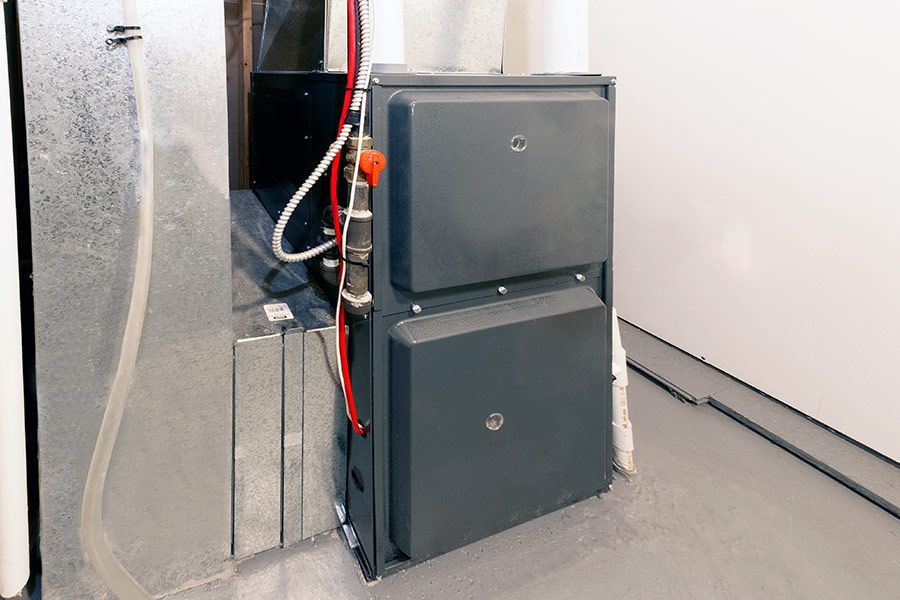
Only electric furnaces use heating elements. An electric furnace heats air by running current through metal coils, the same basic way a toaster works. A gas furnace burns natural gas or propane at the burners and uses an ignitor to light them, so it has no heating element.
Heat pump systems often have electric heat strips in the air handler for backup heat. Those strips work like furnace heating elements and fail in similar ways. If you have a gas furnace and weak heat, the problem is more likely the ignitor, flame sensor, or burners. Not sure what you have? A Watson technician can tell you in one visit, and our heat pump repair service covers backup heat strips too.
Troubleshooting a Bad Heating Element and When to Get Professional Help
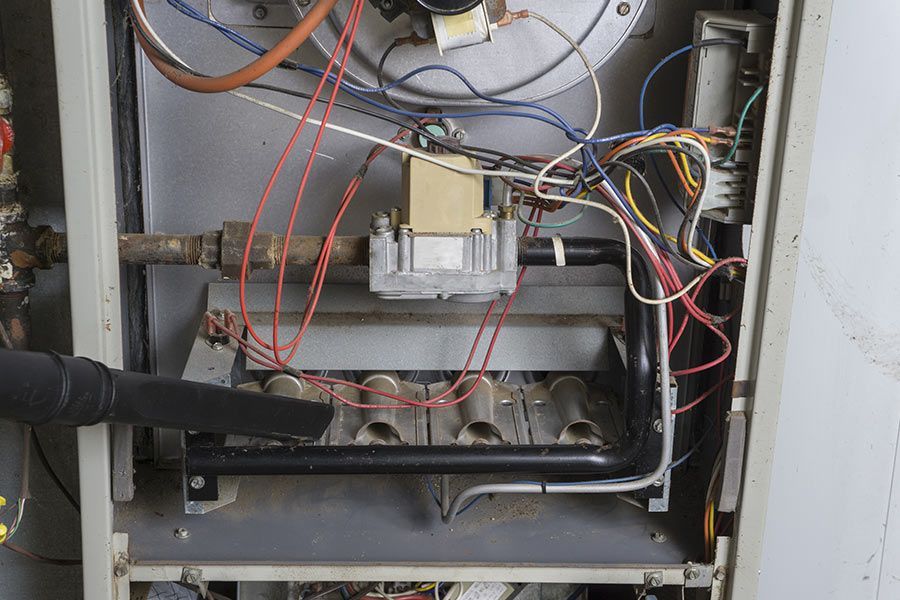
Start with the simple checks. Make sure the thermostat is set to heat and the furnace breaker hasn't tripped. With the power off, look for visible signs of damage like burn marks or corrosion. Diagnosing and repairing a bad heating element usually takes professional expertise. An HVAC technician examines the whole system and looks at factors such as:
- Thermal Stress: Repeated heating and cooling cycles can cause cracks or breaks in the heating element.
- Electrical Surges: Unexpected electrical surges can damage the heating element and shorten its lifespan.
- Improper Sizing: An element that isn't correctly sized for the furnace leads to inefficiency and malfunctions.
- Ventilation Issues: Poor airflow can make the heating element overheat, which damages it or triggers safety shut-offs.
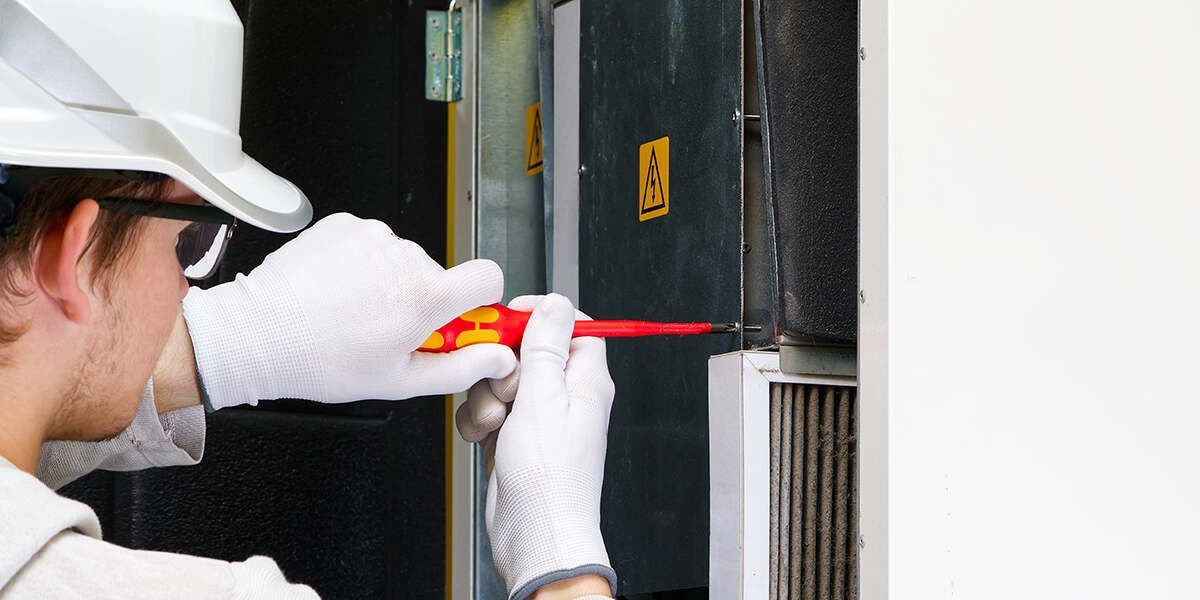
Heating elements run on high voltage. Working on them, or any HVAC electrical component, is dangerous without training. Leave repairs to a professional like Watson Heating & Air.
What Happens During a Professional Heating Element Check?
A technician starts by shutting off power to the furnace at the disconnect and the breaker. Next, they inspect each element for breaks, burn marks, and corrosion. Then they test each element with a meter to confirm whether it still carries current.
The technician also checks the sequencer, the limit control, and the wiring connections, since a failure in any of those can mimic a bad heating element. Finally, they check airflow and the air filter, because restricted airflow is a common reason elements overheat. The U.S. Department of Energy's guide to furnaces and boilers explains how electric furnaces work and why regular upkeep matters.
Watson Heating & Air: Your Lexington Furnace Repair Team
Your family needs a reliable, efficient furnace all winter. If you notice signs of a bad heating element, address them promptly before the problem spreads to other parts. Watson Heating & Air knows how to tell if a heating element is bad in a furnace and can make the repair to restore your home's heat.
Our repairs are backed by warranty, and our furnace maintenance in Lexington keeps elements clean and connections tight. If your furnace is near the end of its life, we also handle furnace installation in Lexington, with flexible financing options. Call us or schedule your appointment today for a diagnosis and an upfront price.