What Is a Good SEER Rating for an Air Conditioner?
Are you sweltering in the summer heat, wondering if your air conditioner is efficient enough? How do you know if you're getting the best bang for your buck? The answer lies in the SEER rating.
In this guide, Watson Heating & Air will answer the question, "What is a good SEER rating for an air conditioner?" If you're looking for expert AC maintenance contractors in Kentucky, we're here to help.
SEER Rating Explained
SEER stands for seasonal energy efficiency ratio. It's a measure of the cooling output of an air conditioner or HVAC system over a typical cooling season, divided by the energy it consumes. The higher the SEER rating, the more energy-efficient the unit is. SEER ratings give you an idea of how much you can expect to pay annually in energy costs, allowing you to compare different air conditioning units.
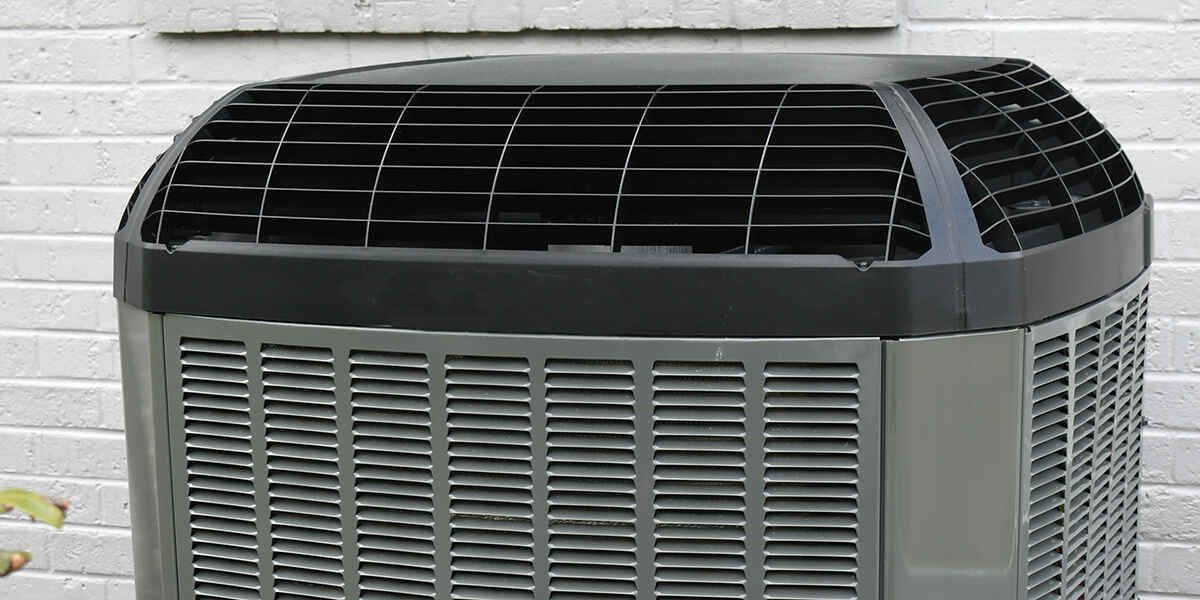
What is a good SEER rating for an air conditioner? A good SEER rating is typically 14 or higher. The average efficiency rating for a central air conditioner today is 16, but high energy-efficient air conditioners can reach up to 23. These energy-efficient models not only save you money on cooling costs but also contribute to a greener environment.
SEER Rating Guidelines
The Department of Energy has set minimum SEER ratings over the years. For instance, in 1992, all central ACs were required to have a minimum SEER rating of 10. The Department of Energy raised the minimum SEER to 13 by 2006.
In 2023, the northern U.S. will require a minimum SEER of 14, while the southern U.S. will require 15. These guidelines ensure that consumers get efficient air conditioners that save energy and money.
SEER Rating for Cooling Efficiency
The SEER rating reflects the efficiency of an air conditioner in different conditions. Manufacturers calculate SEER over an entire cooling season using various outdoor temperatures, simulating a typical season. A higher SEER means the unit requires less electricity to cool your home, making it more cost-effective.
The SEER rating serves as a benchmark for comparing different models and brands. Factors affecting the SEER rating of air conditioners include:
- Cooling Output: The total amount of cooling a unit can provide over the cooling season.
- Energy Consumption: Measured in watt-hours, it determines how much energy the air conditioner uses.
- Outdoor Temperatures: SEER takes into account varying temperatures, from mild to extremely hot days, to gauge performance.
While the SEER rating is a great indicator of an AC's cooling efficiency, other factors can influence the output of your air conditioner. These include insulation, windows, size of the home, and condition of ductwork. It's essential to consider these factors when choosing an air conditioner to ensure optimal performance.
SEER Rating and Electricity Consumption: Benefits of Energy-efficient Air Conditioners
A higher SEER rating directly translates to lower electricity consumption. For instance, replacing an 8 SEER AC unit with a 16 SEER one could save you up to 50% on your energy bill. This not only reduces your monthly expenses but also lessens your carbon footprint.
The benefits of opting for an air conditioner with a superior SEER rating extend beyond just monetary savings. It's a step towards a more sustainable and environmentally-conscious household. As energy consumption decreases, the strain on power plants diminishes, leading to a reduction in greenhouse gas emissions.
Advantages of a High SEER rating include:
- Enhanced Comfort: Units with higher SEER ratings often provide more consistent and optimal cooling, ensuring comfort during peak summer months.
- Longevity: Efficient units tend to have a longer lifespan, offering value for money in the long run.
- Cost Savings: A unit with a higher SEER rating can lead to reduced monthly electricity bills.
- Tax Credits and Rebates: Many states offer incentives for homeowners who invest in energy-efficient appliances, potentially further reducing the overall cost.
- Eco-friendly: Efficient units with higher SEER ratings contribute to lower carbon emissions, making them eco-friendly choices.
- Resale Value: Homes equipped with high-SEER-rated appliances can command a higher resale value, making it a wise investment.
Contact Watson Heating & Air To Install an AC With a High SEER Rating
So, what is a good SEER rating for an air conditioner? Anything above 14 is good, and higher is better. But remember, the right SEER rating for your home depends on various factors. At Watson Heating & Air, we believe in providing our customers with the best.
If you're wondering why your AC stops and starts again, we have the answers. For all your air conditioning needs, give us a call at (859) 448-1054. Trust Watson Heating & Air to keep you cool.