Can Your AC Cause Carbon Monoxide Poisoning?
No, your air conditioner cannot cause carbon monoxide poisoning. Air conditioners run on electricity and burn no fuel, so they produce no carbon monoxide. If carbon monoxide is in your home, the source is a fuel-burning appliance like a gas furnace, not the AC. Knowing the real source is what keeps your family safe, and that is exactly what this guide walks you through.
Key Points
- An AC unit cannot produce carbon monoxide because it runs on electricity and burns no fuel.
- Carbon monoxide comes from fuel-burning appliances such as a gas furnace, water heater, or stove.
- If your furnace shares ductwork with your AC, damaged ducts can spread CO through the home.
- Carbon monoxide is colorless and odorless, so a detector in every bedroom is the best protection.
- Family safety has driven everything Watson Heating & Air does across Lexington and Central Kentucky since 2011.
Carbon monoxide poses a serious health risk to anybody who inhales it, so it is smart to ask whether your home appliances are safe. The good news with carbon monoxide and AC is simple: your air conditioner is not on the list of appliances that can produce this gas. These systems still come with their own risks worth understanding.
If you have any questions or concerns about your HVAC system, contact Watson Heating & Air, Richmond's trusted AC repair team. You do not need to worry about your AC producing carbon monoxide, but there are plenty of other issues our family-owned, licensed team can help with.
Can an AC Unit Produce Carbon Monoxide?
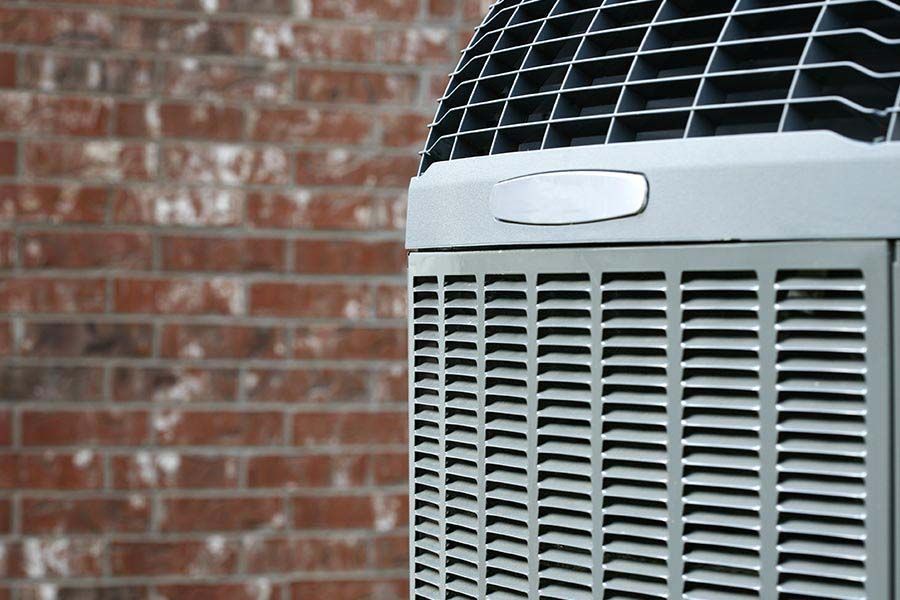
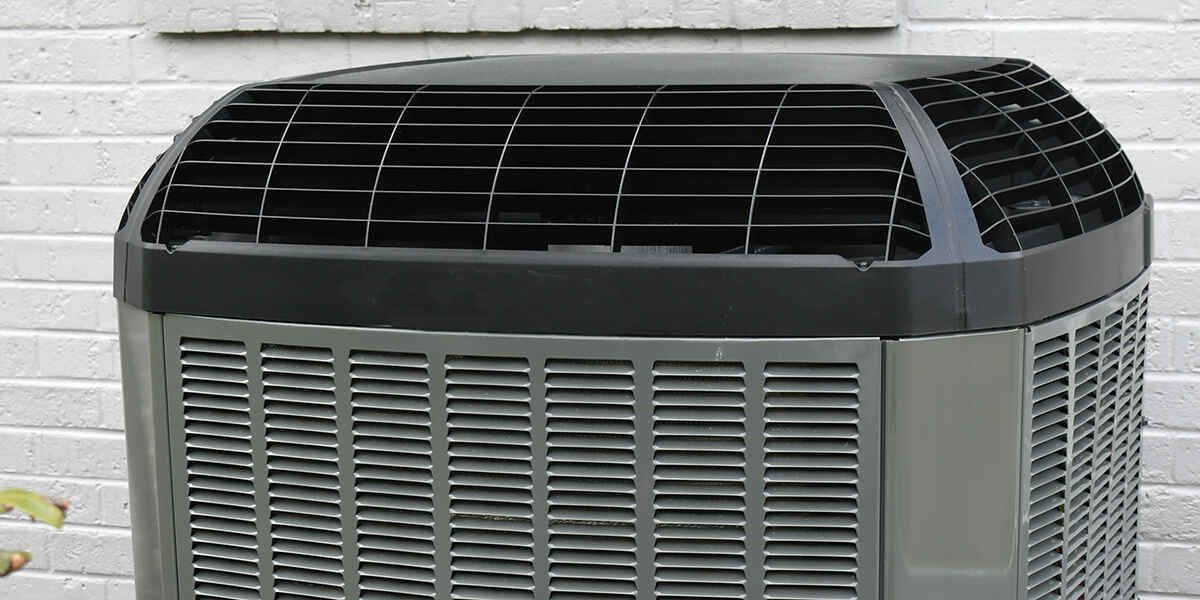
No, an AC unit cannot produce carbon monoxide. Air conditioners are electrical and do not burn any type of fuel. Carbon monoxide is a byproduct of combustible substances like gas, wood, or coal, none of which an air conditioner uses.
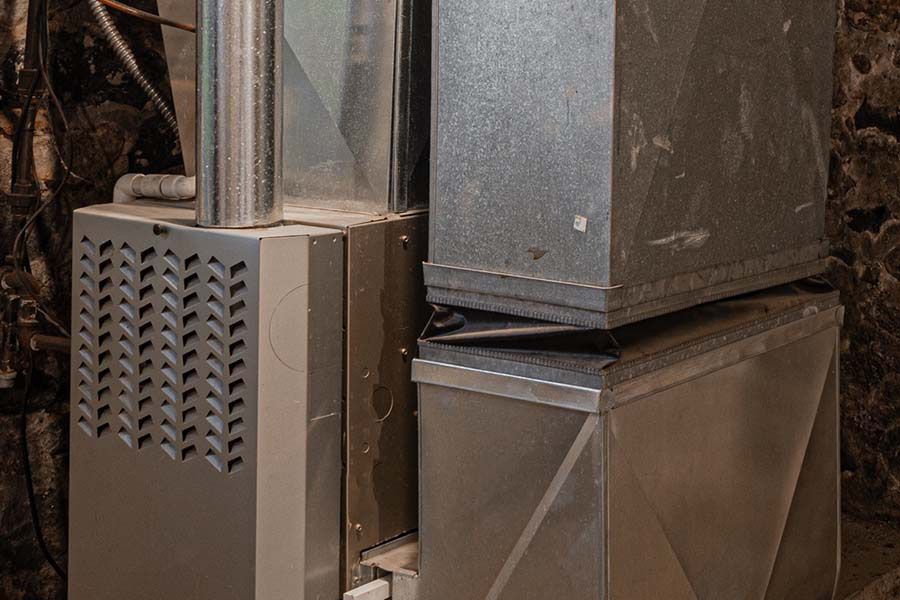
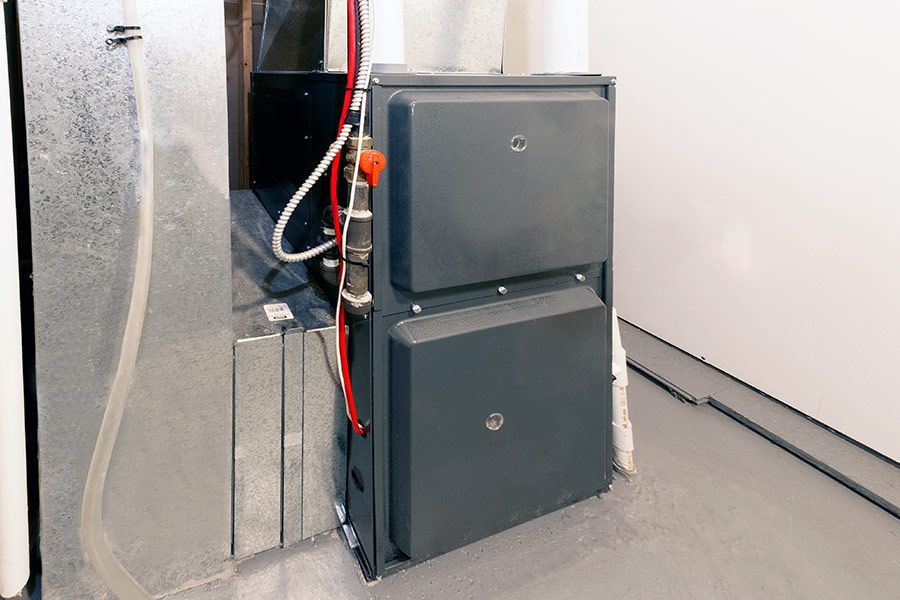
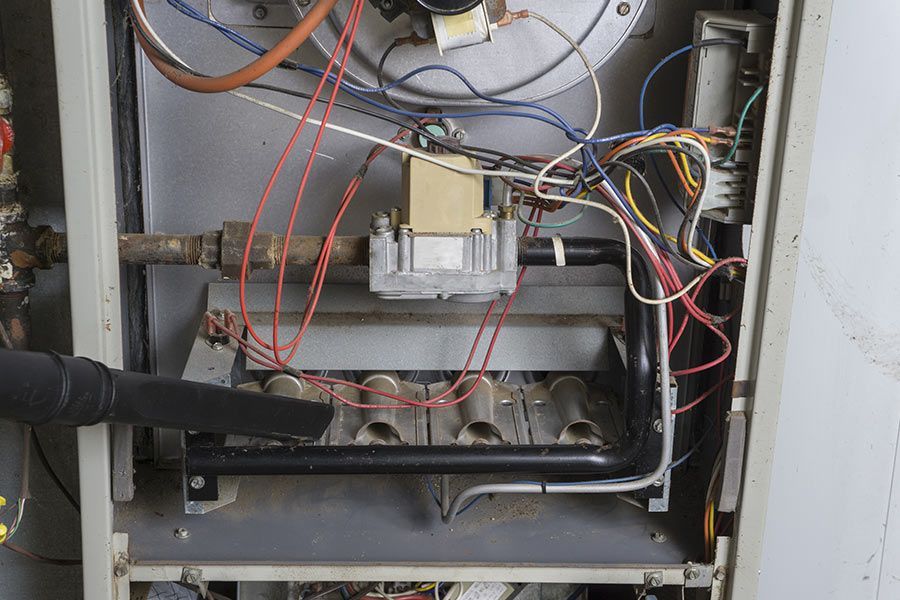
There is one indirect risk to know about. If your gas furnace shares the same ducts as your AC system, a problem with that furnace can spread through the shared ductwork. Furnaces powered by gas or wood do have the potential to create CO gas.
If you detect carbon monoxide in your home and trace it to the air vents, the culprit is almost always the furnace, not the AC unit. The danger is greater if your ducts are damaged, because cracks and holes let carbon monoxide leak out at any point along the run. Watson Heating & Air handles ductwork repair for shared systems so a furnace issue does not become a whole-home problem.
What Are the Signs of Carbon Monoxide Poisoning?
The most common signs of carbon monoxide poisoning are sudden flu-like symptoms with no fever. Carbon monoxide poisoning can be deadly and is often called "the silent killer" because the gas is colorless and odorless. It can build to dangerous levels before you ever notice it.
In most cases, you will not notice the gas until your body starts to react. Physical reactions may include:
- Vomiting
- Weakness
- Fatigue
- Dizziness
- Nausea
- Shortness of breath
- Headaches
- Chest pain
- Confusion
- Memory loss
- Fainting
In the worst cases, you could face permanent brain damage or even death. If these symptoms appear suddenly, or if multiple people in your home are affected at once, there is a strong chance of a carbon monoxide leak from a furnace, gas stove, or other appliance.
If this happens, leave the house immediately and go to the hospital. Your indoor air is no longer safe, so focus on getting out and getting help. The Centers for Disease Control and Prevention attributes more than 400 unintentional deaths per year to carbon monoxide. Do not take any chances.
What Actually Causes Carbon Monoxide in a Home?
Carbon monoxide in a home comes from fuel-burning appliances, never from the air conditioner. If there is a CO buildup in your home, you can rest assured the air conditioner is not the source.
One common source is gas stoves. When these devices fail to burn cleanly, they can release carbon monoxide into the surrounding air. Other potential sources of carbon monoxide include:
- Dryers
- Furnaces
- Water heaters
- Camp stoves
- Fireplaces
- Barbecues
Cars, trucks, RVs, motorcycles, and other vehicles also create carbon monoxide, so only run engines outdoors. Never let an engine idle in a closed space such as a garage. Because most of these sources tie back to combustion and air movement, keeping your fuel-burning equipment serviced matters. Watson Heating & Air provides professional furnace repair to catch problems before they put your air at risk.
How Do You Prevent Carbon Monoxide Poisoning?
The single best way to prevent carbon monoxide poisoning is to install CO detectors throughout your home. Carbon monoxide poisoning is a real threat that can appear at any time, so an early alarm system is essential. According to the U.S. Environmental Protection Agency, working CO alarms are the most reliable way to detect the gas before it harms your family.
Place a detector in each bedroom so everyone hears the alarm if there is a problem. Switch out the batteries every six months for the best performance. Healthy ventilation and clean air handling help too, which is why many Lexington homeowners pair detectors with our indoor air quality solutions for added peace of mind.
Contact Watson Heating & Air for AC and Furnace Service
At Watson Heating & Air, we answer your air conditioner questions and deliver efficient repair and maintenance to keep your system running safely. So if you are wondering whether carbon monoxide and AC are connected, you can rest easy knowing they are not. Because CO has no odor, a strange smell near your AC points to something else, and you should never ignore it.
Your family's safety has been our focus since 2011, and our licensed team is available 24/7 for true emergencies. Call us anytime to schedule an AC inspection and protect the people who matter most.
Frequently Asked Questions
Can an AC unit cause carbon monoxide poisoning?
No. An AC unit runs on electricity and burns no fuel, so it cannot produce carbon monoxide. If CO is present in your home, the source is a fuel-burning appliance such as a gas furnace, water heater, or stove.
Why would I smell something strange near my AC if it is not carbon monoxide?
Carbon monoxide has no odor, so any smell near your AC is something else, such as mold, electrical burning, or a refrigerant issue. You should still never ignore unusual sounds or smells from your system. Have it inspected to find the real cause.
Can my furnace send carbon monoxide through my AC ducts?
Yes. If your gas furnace shares ductwork with your AC, a cracked heat exchanger or damaged ducts can spread carbon monoxide through the home. This is why damaged shared ductwork should be repaired promptly by a professional.
How often should I have my fuel-burning HVAC equipment checked?
Have your gas furnace and shared ductwork inspected at least once a year, ideally before heating season. Watson Heating & Air can inspect your system and confirm it is venting safely. If you have any concern about your air, schedule your appointment today.
REQUEST A SERVICE