Why Your AC Keeps Blowing Fuses in Lexington, KY
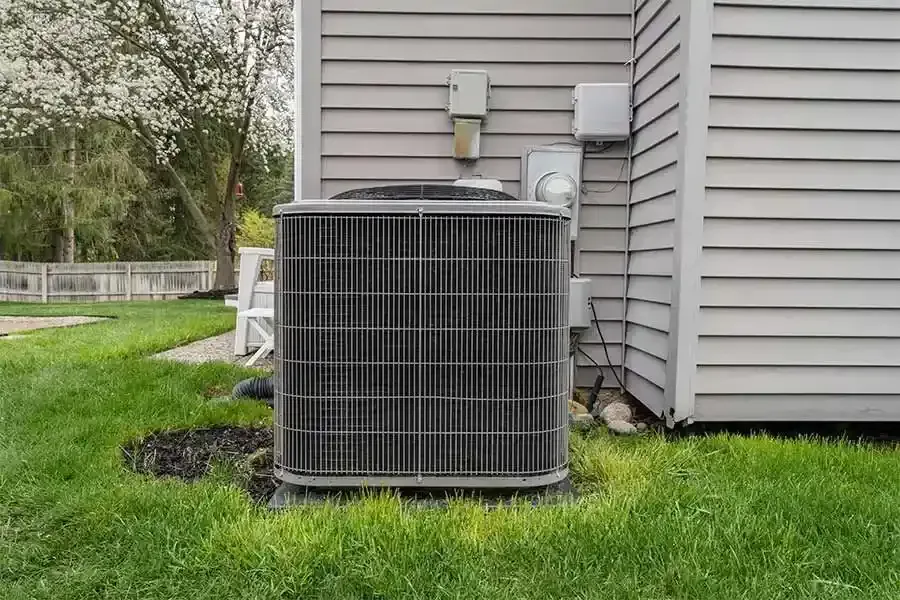
When your AC keeps blowing fuses, the system is drawing more electrical current than its fuse can safely handle. The fuse blows to protect your equipment. The usual causes are an overloaded system, restricted airflow, or an electrical fault such as a failing capacitor or loose wiring.
Repeated fuse failures during Kentucky's sweltering summer months leave your family uncomfortable and frustrated. They also signal underlying problems that need prompt AC repair in Lexington. Watson Heating & Air is a family-owned HVAC company serving Lexington since 2011. This guide explains why the problem happens and what you can safely do about it.
Key Points
- A blown AC fuse means the system pulled more current than the fuse allows.
- Dirty filters, clogged condenser coils, bad capacitors, and loose wiring are common causes.
- Never replace a blown fuse with a higher amperage fuse.
- If the AC keeps blowing fuses after a new fuse goes in, shut it off and call a technician.
What Causes AC Fuse Problems in Lexington Homes?
Electrical overload is the most frequent reason an air conditioner keeps blowing fuses or tripping the breaker. During Lexington's hot summer days, your cooling unit works harder to hold a comfortable temperature. That extra workload can exceed the electrical capacity of the system's fuse, and the fuse blows as a safety measure.
Restricted airflow is the second big cause. Dirty air filters and clogged condenser coils force the air conditioner to work overtime, so it draws more electrical current to compensate. Regular air conditioner maintenance and professional AC coil cleaning prevent many of these fuse problems.
Other common causes of AC fuse problems include:
- Faulty Capacitors: A weak capacitor makes the compressor and fan motors strain to start, which pulls extra current.
- Loose Connections: Loose electrical connections can arc or short and blow the fuse.
- Refrigerant Leaks: Low refrigerant forces the unit to work harder and run longer.
- Aging Components: Worn motors and a tired compressor in older HVAC systems often draw more power than they should.
What Are the Warning Signs of AC Electrical Problems?
Frequent fuse replacement is the clearest warning sign of an electrical problem in your air conditioner. Replacing blown fuses without fixing the root cause can lead to equipment damage or fire hazards. When your AC keeps blowing fuses, the electrical system is protecting itself from dangerous overloads.
Watch for these other signs of AC electrical problems:
- Repeated Breaker Trips: The circuit breaker trips again and again when the AC runs, which usually points to a short or an overloaded circuit.
- Burning Odors: A burning smell from the outdoor unit or electrical panel often means overheated wiring or a failing component.
- Humming or Buzzing: The system hums or buzzes when it tries to start, which often signals a failing capacitor or a motor that can't turn over.
Is It a Blown Fuse or a Tripped Breaker?
Your central air conditioner is usually protected in two places: a breaker in your home's electrical panel and fuses in the disconnect box mounted near the outdoor unit. A tripped breaker sits in the middle or "off" position in the panel. A blown cartridge fuse in the disconnect box shows no visible sign, so a technician confirms it with a meter.
Resetting a tripped breaker once is reasonable. If the breaker trips again or the AC keeps blowing fuses, stop resetting it. Each repeat puts more stress on the wiring and the compressor. Pulling fuses from a live disconnect box is dangerous, so leave fuse testing and replacement to a professional.
What to Do When Your AC Keeps Blowing Fuses
You can handle a few basic checks before you call for help. Always put safety first around electrical components, and turn the system off at the thermostat before you start.
- Check the air filter and replace it if it's dirty. A clean filter improves airflow and reduces strain on the system.
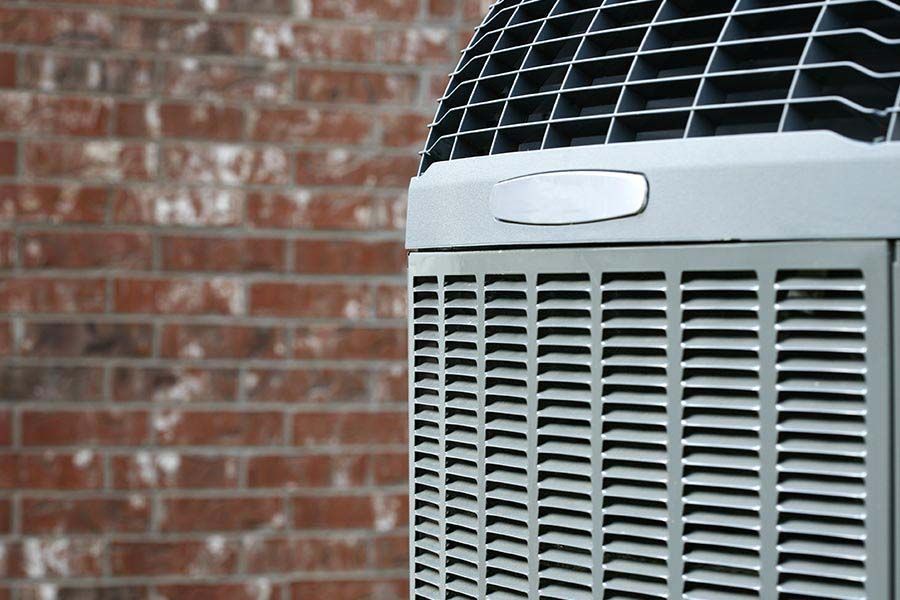
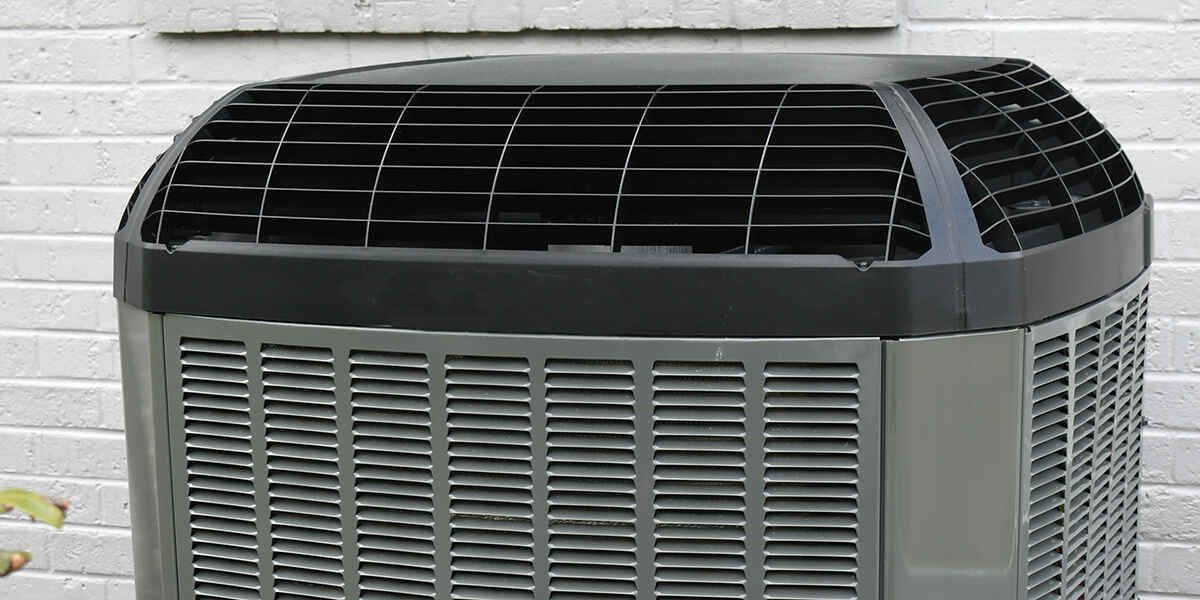
- Inspect the outdoor unit for leaves, grass clippings, or debris that block airflow around the condenser coils.
- Make sure every supply and return vent in your Lexington home is open and unobstructed.
- Check the electrical panel for a tripped breaker and reset it once.
- If the AC blows another fuse or trips the breaker again, leave it off and call a technician.
When To Call Professional HVAC Services in Lexington
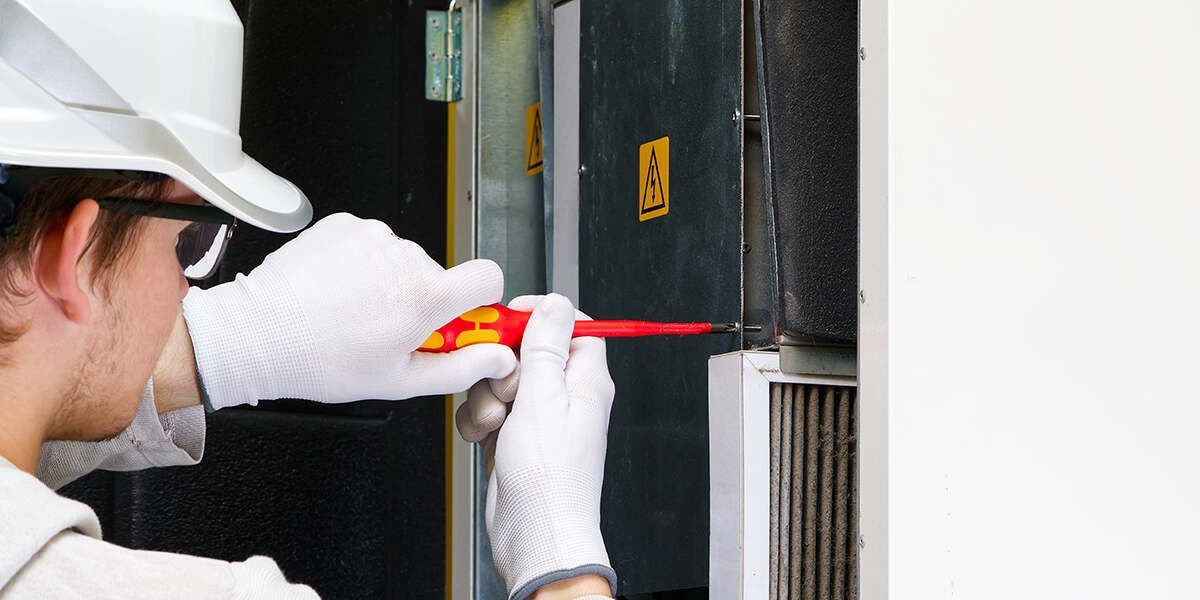
If your AC keeps blowing fuses and you smell burning, see sparks, or spot damaged wiring around the unit, call a professional right away. These signs point to serious electrical hazards that can start a fire if they're not addressed.
Troubleshooting beyond basic maintenance should always involve a qualified technician. Lexington's humid climate can worsen electrical problems in aging HVAC systems, so professional inspection and AC maintenance in Lexington keep your system reliable. If the problem hits after hours, our 24/7 emergency HVAC repair team is available nights, weekends, and holidays.
Stop Repeat Fuse Failures With Watson Heating & Air
Knowing why your AC keeps blowing fuses helps you act before a small electrical issue damages the compressor. Watson Heating & Air diagnoses and repairs HVAC electrical problems for Lexington homeowners. We find the root cause instead of swapping fuses, and our repairs are backed by warranty.
You get same-day service and upfront pricing with no hidden fees. Call us or contact our team today to book a diagnostic visit and get your home cool and safe again.
Frequently Asked Questions
What Should I Do When My AC Fuse Blows?
Turn off your AC system at the thermostat right away. Then check for simple problems like a dirty air filter, blocked vents, or debris around the outdoor unit. Never replace a fuse with a higher amperage rating, because that removes the protection and creates a fire hazard. If your AC keeps blowing fuses after these checks, call a technician.
How Often Should I Replace My AC Fuses?
AC fuses should rarely need replacement under normal operating conditions. A healthy air conditioner can run for years on the same fuses. Frequent fuse replacement indicates underlying electrical or mechanical problems, such as a failing capacitor or a struggling compressor, and those problems need a professional diagnosis.
Why Does My Air Conditioner Keep Blowing Fuses After I Replace Them?
When your air conditioner keeps blowing fuses repeatedly, the system has a persistent electrical overload or short circuit. A new fuse doesn't fix that fault. It only blows again. A technician needs to test the capacitor, contactor, wiring, and compressor to find the cause and repair it safely.
Trust Watson Heating & Air for Reliable AC Solutions
Understanding why your air conditioner keeps blowing fuses helps you take appropriate action to restore comfort in your Lexington home. Addressing these electrical issues promptly prevents further damage and ensures safe operation.
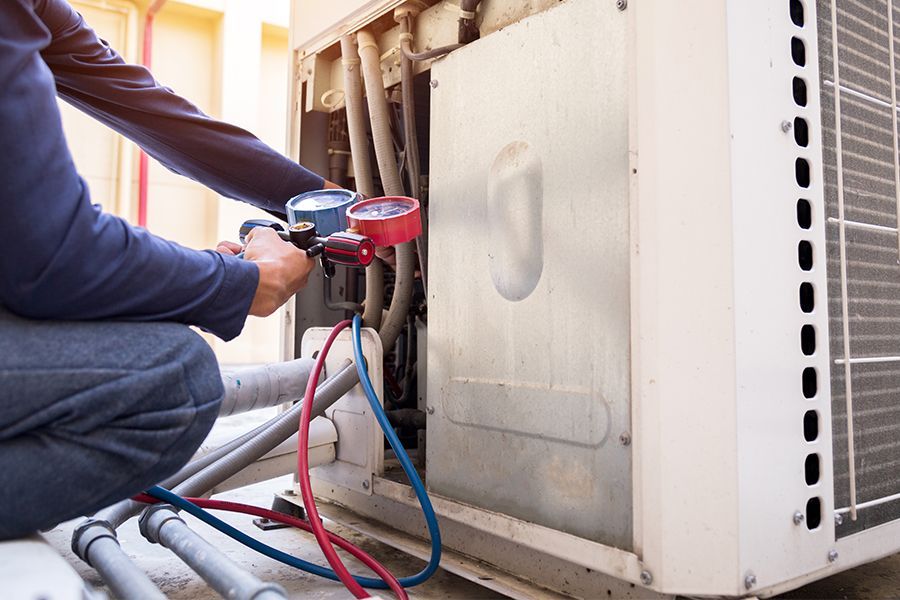
Watson Heating & Air provides expert diagnosis and repair of all HVAC electrical problems for Lexington homeowners. Our certified technicians understand Kentucky’s climate challenges and offer comprehensive solutions for fixing an old AC unit or addressing complex electrical issues. We use advanced diagnostic equipment to identify root causes and provide lasting repairs.
If your air conditioner keeps blowing fuses in Lexington, KY, contact Watson Heating & Air today for expert assistance.
Frequently Asked Questions
Here are answers to common questions about cooling fuse problems:
What Should I Do When My AC Fuse Blows?
Turn off your AC system immediately and check for obvious problems like dirty filters or blocked vents. Never replace a fuse with a higher amperage rating, as this creates fire hazards.
How Often Should I Replace My AC Fuses?
AC fuses should rarely need replacement under normal operating conditions. Frequent fuse replacement indicates underlying electrical or mechanical problems requiring professional diagnosis.
Why Does My Air Conditioner Keep Blowing Fuses After I Replace Them?
When your air conditioner keeps blowing fuses repeatedly, it indicates a persistent electrical overload or short circuit that requires professional diagnosis and repair to resolve safely.