When to Call a Professional for Furnace Repairs: A Homeowner’s Guide
Just like Sherlock Holmes wouldn’t ignore a suspicious clue, you shouldn’t overlook the telltale signs your furnace gives when it needs a professional’s touch. You might think a strange noise or a persistent odor is just an odd quirk, but these can be the first indicators of a larger issue brewing beneath the surface. Ignoring them could lead to costly repairs or even compromise your home’s safety and comfort. So, how do you know when to bring in the experts, and when can you handle things yourself? Let’s explore the clues.
Unusual Noises
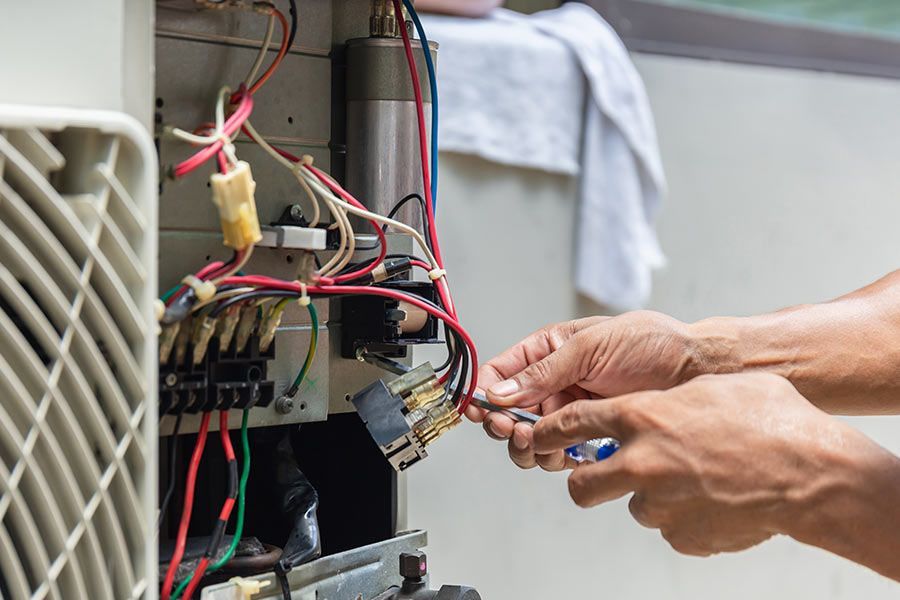
When your furnace starts producing unusual noises, diagnosing the source promptly is crucial to prevent further damage. Begin by identifying the type of noise: a rattling sound might indicate loose panels or ductwork requiring tightening. The blower motor bearings may need lubrication if you hear a grinding noise. A high-pitched squeal often signals a slipping or worn-out belt, necessitating replacement. Confirm the furnace is off before inspecting components to guarantee safety. Use a flashlight to examine the interior for visible issues and tighten any loose screws. Listen near the blower compartment and heat exchanger for precise location. Addressing these concerns will maintain peak furnace performance, ensuring your home remains warm and comfortable for those you serve.
Persistent Odors
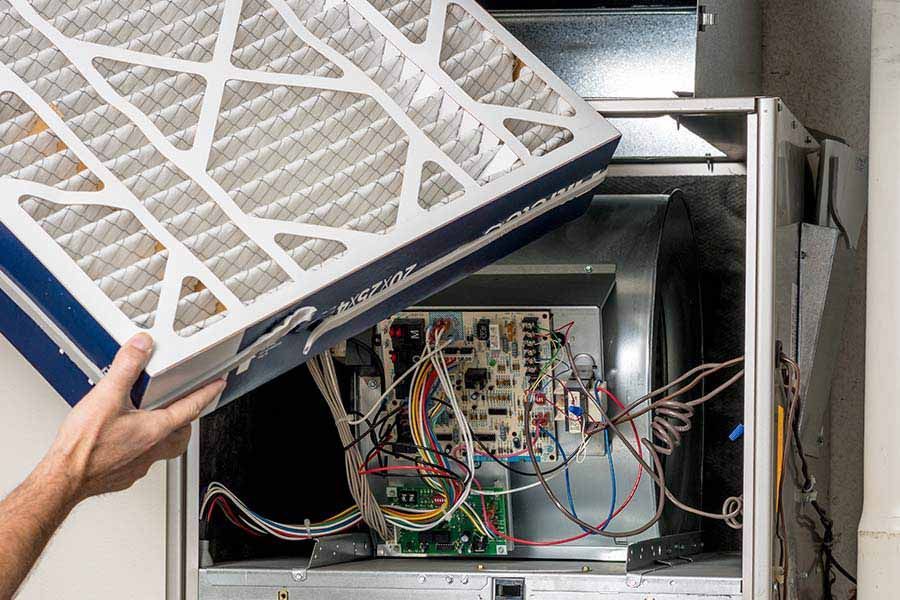
Addressing persistent odors from your furnace involves identifying the source, such as burnt dust, gas leaks, or mold growth, each requiring specific diagnostic steps to confirm efficient operation and safety. Start by inspecting the furnace air filter; if clogged, replace it to prevent dust accumulation. For gas odors, immediately shut off the gas supply and call a professional to inspect the heat exchanger for cracks or leaks. If you detect a musty smell, check for moisture buildup in the ductwork, indicating mold growth, and consider professional cleaning. Ascertain all diagnostic steps are conducted with appropriate personal protective equipment and tools. Prioritize timely intervention to maintain a safe and comfortable environment for those you serve.
Inadequate Heating
Diagnose inadequate heating by verifying the thermostat is set correctly and functioning, and then inspect the furnace’s blower motor, ignitor, and burner for any signs of malfunction or wear. If you notice uneven heat distribution or insufficient warmth, it is crucial to pinpoint the root cause. Check the following components:
- Air Filters: Dirty filters restrict airflow, reducing efficiency.
- Ductwork: Leaks or obstructions can lead to heat loss.
- Pilot Light: A weak or extinguished pilot can hinder heating.
- Gas Supply: Confirm gas valves are fully open for peak performance.
- Heat Exchanger: Cracks or damage can compromise heat output.
If these inspections don’t resolve the issue, contacting a professional guarantees your furnace operates safely and effectively, maximizing comfort for those you serve.
Frequent Cycling
Frequent cycling in your furnace indicates issues with thermostat settings, airflow obstructions, or faulty limit switches, requiring a thorough inspection to confirm the efficient operation. Begin by checking the thermostat’s calibration and settings. Verify it’s not positioned near heat sources or drafts, which can cause erratic behavior. Next, examine filters and registers for blockages that restrict airflow, potentially causing overheating and rapid cycling. Replace or clean filters regularly to maintain unobstructed airflow. Inspect the limit switch, a safety component that monitors the temperature, verifying it’s functioning correctly. If these elements seem intact, but the cycling persists, contacting a certified HVAC technician is prudent. They’ll diagnose and rectify complex issues, confirming your furnace operates reliably and efficiently, providing comfort to your home.
Pilot Light Issues
A malfunctioning pilot light often results from issues such as a clogged orifice, a faulty thermocouple, or an errant gas supply, requiring precise troubleshooting to verify your furnace ignites properly. You’ll need a systematic approach to identify the root cause when addressing pilot light issues. Consider the following actions:
- Inspect the orifice: Ensure it’s free from debris and clogs for consistent gas flow.
- Test the thermocouple: Confirm it’s generating the necessary voltage to keep the gas valve open.
- Examine gas supply: Check connections and pressure to verify adequate supply.
- Adjust pilot flame: Fine-tune the flame to the correct height for peak ignition.
- Consult a professional: If issues persist, call an HVAC technician for an expert diagnosis.
Thermostat Malfunctions
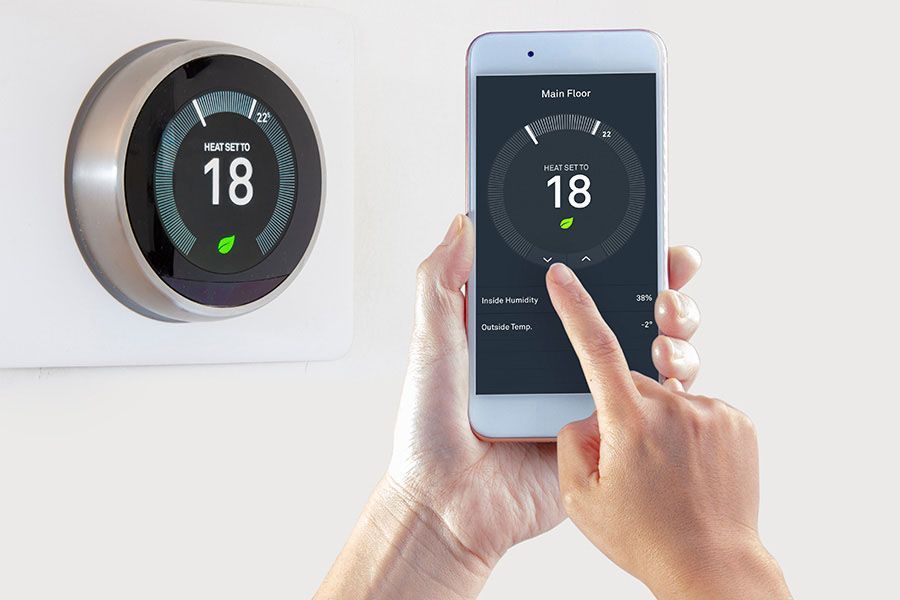
When resolving furnace issues, it’s equally vital to confirm your thermostat is functioning correctly, as malfunctions here can lead to improper temperature regulation and system inefficiency. Begin by checking if the thermostat is set to the correct mode—heat or auto. Verify the temperature setting aligns with your comfort preferences. Inspect the thermostat’s batteries; replace them if they’re depleted. Clean any dust or debris from the unit which can affect sensor accuracy. If the thermostat is programmable, verify settings and schedules to ensure they’re not causing irregular heating cycles. If issues persist, consider recalibrating the thermostat or updating its firmware. Should these steps fail, it’s prudent to call a professional, as they possess the tools and expertise to diagnose complex thermostat malfunctions.
Rising Energy Bills
Unusually high energy bills often indicate your furnace isn’t operating efficiently, which may necessitate a detailed inspection of components like the blower motor, air filters, or ductwork for any obstructions or damage. To address this, follow these steps:
- Inspect the blower motor: Confirm it’s operating smoothly without unusual noise or vibration.
- Check air filters: Replace clogged filters to improve airflow and efficiency.
- Examine ductwork: Look for leaks or blockages that could impact heating performance.
- Review thermostat settings: Verify settings are ideal for energy conservation.
- Schedule routine maintenance: Regular professional check-ups can prevent efficiency loss.
Poor Airflow
Experiencing poor airflow in your furnace system typically suggests issues with blocked vents, dirty filters, or malfunctioning blower components, which require immediate troubleshooting to guarantee peak heating performance. Start by inspecting the air filters; replace them if they’re clogged. Clear any obstructions in supply and return vents to guarantee unobstructed airflow. Examine the blower motor—if it’s not operating efficiently, it might need lubrication or replacement. Make sure the blower fan is clean and balanced to prevent undue strain. If you’re unsure about tackling these tasks or notice persistent airflow issues, it’s time to consult a professional HVAC technician. They’ll conduct a thorough system analysis, optimizing your furnace to maintain comfort and ensure it serves your household efficiently and reliably.
Water Leaks
Water leaks in your furnace system often indicate issues such as a faulty humidifier, clogged condensation drain, or a cracked heat exchanger that require immediate attention to prevent further damage and maintain system efficiency. You’ll need to act swiftly to diagnose and address the root cause. Here’s how:
- Inspect the humidifier: Verify it’s not leaking or improperly connected.
- Check the condensation drain: Look for clogs or obstructions that impede water flow.
- Examine the heat exchanger: Seek cracks or corrosion, often requiring professional intervention.
- Assess the drain line: Confirm it’s properly aligned and debris-free.
- Observe the furnace seals: Affirm they’re intact to prevent leaks.
Age and Wear
Over time, the mechanical components of your furnace, such as the blower motor and bearings, can wear down, leading to decreased efficiency and potential system failures. When your furnace is over 15 years old, monitoring its performance closely is essential. You might notice unusual noises, like grinding or squealing, which indicate worn parts. Regular inspections are conducted by checking for rust or corrosion on heat exchangers and ensuring all connections are secure. If you detect any burning smells or if the furnace frequently cycles on and off, it’s time to call a professional. They’ll accurately diagnose issues and replace worn components, ensuring your system operates safely and efficiently. By addressing age-related wear promptly, you’re ensuring warmth and comfort for those you care about.
Conclusion
In fundamental terms, your furnace is the heart of your home’s comfort, and ignoring its cries for help—those unusual noises or persistent odors—can lead to costly consequences. Don’t wait for a breakdown. Call a professional if you notice inadequate heating or rising energy bills. Remember, a stitch in time saves nine; regular maintenance extends your furnace’s lifespan and guarantees it runs efficiently and safely, keeping your home warm and your worries at bay.
Frequently Asked Questions
How Often Should I Schedule Routine Maintenance for My Furnace?
For flawless furnace function, schedule semi-annual servicing. Professionals perform precise inspections, cleaning combustion chambers, calibrating thermostats, and checking carbon monoxide levels. Regular maintenance guarantees peak operation, energy efficiency, and safety, allowing you to serve better and support those relying on you.
Can I Perform Any Basic Repairs Myself Before Calling a Professional?
You can perform basic repairs like checking the thermostat settings, replacing filters, or ensuring unobstructed vents. Always switch off power before opening panels. If issues persist, prioritize safety and call a professional technician for further assistance.
What Safety Precautions Should I Take When Inspecting My Furnace?
Before inspecting your furnace, turn off the power supply and gas valve. Wear protective gear like gloves and goggles. Use a multimeter to check for electrical issues. Always guarantee proper ventilation to prevent carbon monoxide exposure.
How Do I Choose the Right Furnace Repair Professional?
Consider credentials, compare costs, and check customer reviews. Confirm certifications and compliance with codes. Contact companies offering thorough consultations. Cultivate communication clarity. Choose contractors committed to consistent client care. Collaborate carefully to guarantee efficient, effective, and ethical furnace fixes.
Are There Warranties or Guarantees Typically Offered for Furnace Repairs?
You should always check if the technician offers warranties or guarantees. Typically, reputable professionals provide a 30 to 90-day warranty on parts and labor, ensuring peace of mind and reliability, which ultimately enhances your ability to serve others effectively.