Furnace Installation Tips: Preparing Your Home for a New Heating System
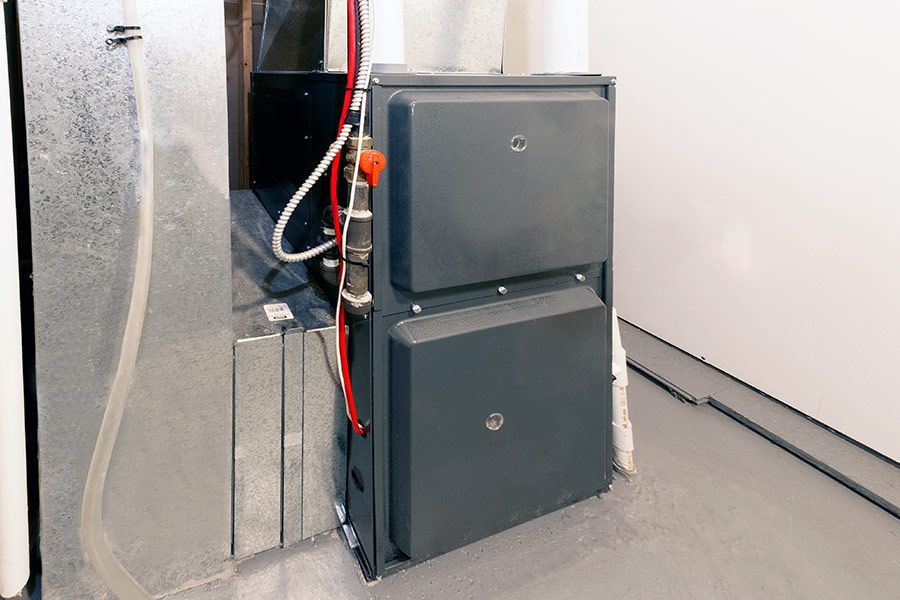
Did you know that nearly half of the energy used in a typical home goes to heating and cooling? When preparing for a new furnace installation, it’s essential to consider factors that could impact both efficiency and cost. Start by evaluating your heating requirements and measuring your space to guarantee the perfect fit. Don’t forget to inspect your ductwork for leaks and ensure ventilation is up to par. This process might seem overwhelming, but a few strategic steps can make all the difference. Curious about maximizing comfort and savings? Let’s explore what you should focus on next.
Assess Your Heating Needs
To effectively assess your heating needs, determine the size and layout of your space and your climate zone to confirm your furnace can provide adequate warmth. Start by measuring each room’s square footage, which helps calculate the total heating requirements. Identify the number of windows and doors, noting any drafts, as these can impact heat retention. Consider the insulation quality in walls and ceilings; better insulation reduces heat loss. Check your climate zone using local resources to understand the typical temperature ranges you’ll face. Each factor—size, layout, insulation, and climate—interacts to influence your furnace’s workload. By thoroughly inventorying these elements, you verify that your heating system efficiently meets the comfort needs of those you wish to serve.
Choose the Right Furnace
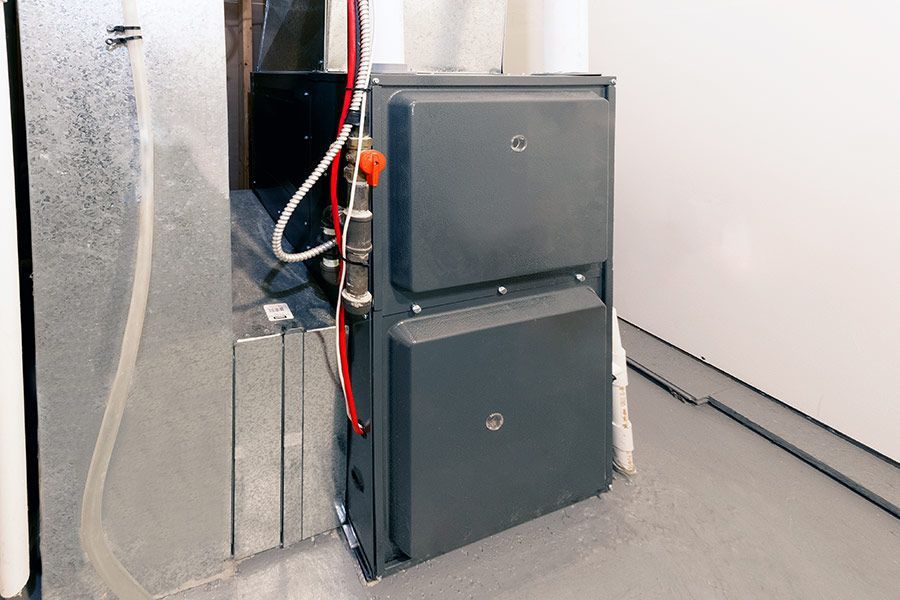
After evaluating your heating needs, select a furnace with the right capacity, fuel type, and efficiency rating to match your requirements and environmental conditions. Consider the furnace’s British Thermal Unit (BTU) rating, confirming it can adequately heat your space without excessive energy consumption. Choose between natural gas, electric, or oil-powered models according to availability and cost-effectiveness in your area. Prioritize furnaces with high Annual Fuel Utilization Efficiency (AFUE) ratings to optimize energy use and reduce environmental impact. Consult local HVAC professionals to verify compatibility with existing ductwork and assess special requirements. By carefully selecting a furnace that aligns with your home’s conditions, you’ll guarantee comfort and energy efficiency, benefiting those you aim to serve.
Measure Your Space
Before installing a furnace, accurately measure your space by calculating the total square footage and considering ceiling height, guaranteeing the unit’s capacity matches the heating demands of the entire area. Begin by multiplying each room’s length and width to find the square footage. Don’t forget to account for ceiling height, as this affects the air volume needing heat. Higher ceilings may require a more powerful furnace. Record measurements meticulously; precision here guarantees efficiency later. Consider the layout, including walls and obstructions, which might impact heat distribution. If your home has open spaces or multiple floors, note these separately, as they influence furnace size and placement. A correctly sized furnace maximizes comfort while efficiently serving your household’s needs.
Evaluate Ductwork Condition
Carefully inspect your home’s ductwork for leaks, blockages, or damage to confirm efficient airflow and ideal furnace performance. Begin by examining visible ductwork sections and joints. Use a flashlight to check for any visible gaps or tears. Ensuring the ductwork is sealed properly is essential, as even minor leaks can significantly reduce efficiency.
- Check for Blockages: Inspect the interior using a flexible camera or duct cleaning tool. Clear any debris or obstructions that might impede airflow.
- Test for Leaks: Run your hand along duct seams while the system operates. Feel for escaping air, which indicates a leak.
- Assess Insulation: Verify that ducts in unconditioned spaces are well-insulated to prevent heat loss.
Addressing these issues guarantees your new furnace operates at peak efficiency, benefiting those you serve.
Ensure Proper Ventilation
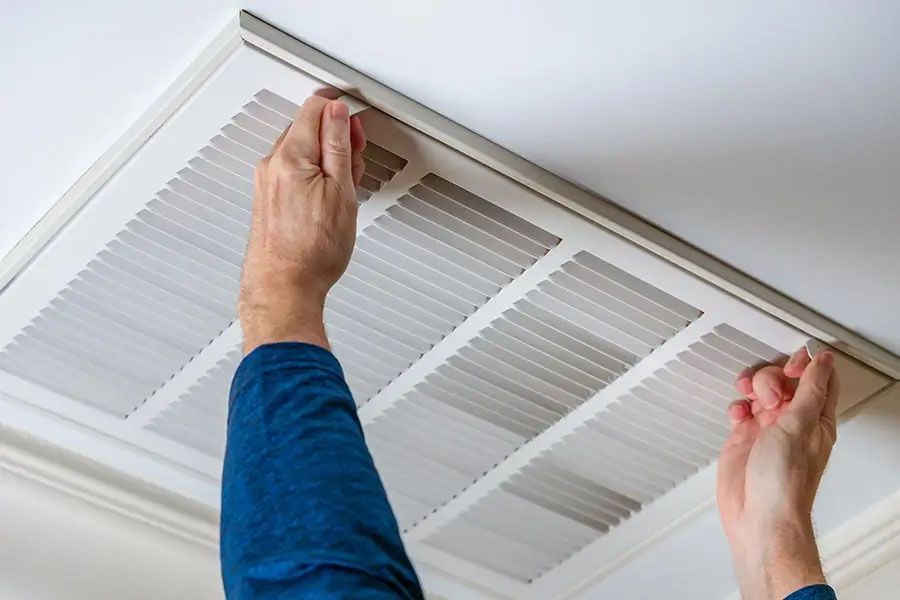
Proper ventilation is essential to confirm your furnace functions efficiently and safely by preventing the buildup of harmful gases like carbon monoxide. First, inspect your home’s existing ventilation system to verify it’s clear and unobstructed. Check that all vents are open and free from debris or blockages. Installing a carbon monoxide detector near the furnace is vital to monitor gas levels. Ensure the exhaust pipe is correctly fitted and directed to expel gases outside your home, not indoors. Double-check that your installation area complies with local building codes regarding ventilation requirements. This guarantees that your new furnace operates safely and reduces the risk of gas leakage, protecting your household and maintaining a healthy living environment.
Clear Installation Area
Once you’ve confirmed suitable ventilation, guarantee the installation area is clear of any obstructions, debris, or materials that could interfere with the furnace setup. This secures a safe and efficient installation process, minimizing risks and potential delays. Follow these steps to prepare the area:
- Remove Clutter: Clear all items, including furniture and storage boxes, within at least three feet of the installation site. This provides ample space for technicians to work effectively.
- Inspect the Floor: Look for uneven surfaces or loose tiles that might affect the furnace's stability. Address any issues beforehand to guarantee a secure installation.
- Verify Accessibility: Ensure pathways to the area are unobstructed, allowing easy movement of equipment and personnel during the installation.
Schedule Professional Consultation
To guarantee a seamless and compliant installation, schedule a professional consultation to assess your specific requirements and address any potential challenges. During this meeting, an experienced technician will evaluate your home’s layout, insulation, and current heating infrastructure. They’ll discuss your heating preferences, budget, and unique considerations like zoning needs or air quality concerns.
Be prepared to ask questions about the installation process, expected timelines, and any necessary modifications. Confirming that the technician is certified and knowledgeable about local building codes is essential. This guarantees your new furnace meets safety standards and operates efficiently.
Plan for Energy Efficiency
When planning energy efficiency, select a furnace with a high Annual Fuel Utilization Efficiency (AFUE) rating to confirm peak performance and cost savings. A high AFUE rating guarantees that your furnace converts most of its fuel into heat, minimizing waste and reducing energy bills. To further enhance energy efficiency, consider these steps:
- Seal Ductwork: Inspect and seal any leaks in your ductwork to prevent heat loss and ensure warm air reaches its intended destination efficiently.
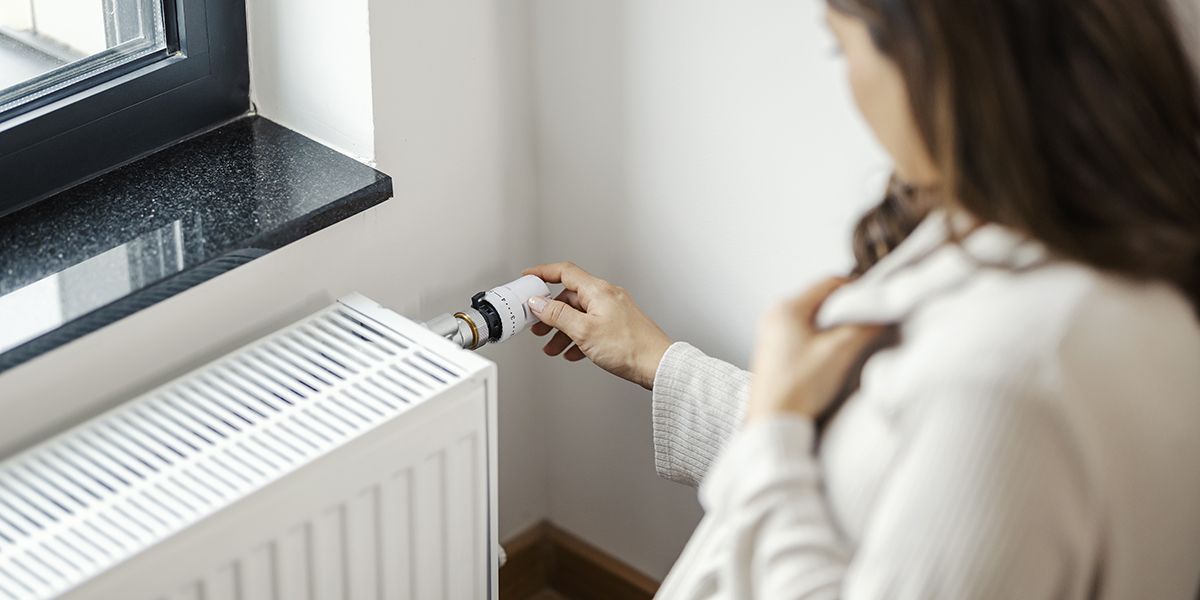
- Install a Programmable Thermostat: A programmable thermostat automates heating schedules, reducing energy usage when heating isn’t needed.
- Optimize Insulation: Improve your home’s insulation to maintain consistent temperatures and reduce the workload on your heating system.
These measures enhance your furnace’s efficiency and contribute to lower environmental impact, serving the greater good.
Budget for Installation Costs
Calculating the total cost of furnace installation is essential for guaranteeing your budget accommodates all necessary expenses, including equipment, labor, permits, and potential modifications to your existing system. Start by obtaining multiple quotes from reputable contractors to compare prices and services. Confirm each quote includes a detailed breakdown of costs—factor in the price of the furnace unit, which varies based on efficiency and size. Don’t overlook labor costs, which can fluctuate considerably depending on the complexity of the installation. Check local building codes to determine if permits are required, as fees can add up. Additionally, assess your current ductwork and electrical systems; upgrades might be necessary, impacting your overall budget. Planning thoroughly guarantees a smooth installation process.
Test the New System
After installation, verify the new furnace operates efficiently by conducting a thorough system test. Start by checking the thermostat. Verify it communicates properly with the furnace to maintain your desired temperature. Here’s a detailed process to follow:
- Inspect Connections: Confirm all electrical and gas connections are secure and leak-free. This verifies safety and peak functionality.
- Evaluate Airflow: Turn on the system and check for consistent airflow at all vents. Uneven airflow could indicate ductwork issues needing attention.
- Observe System Cycling: Monitor the furnace cycling. It should turn on, run briefly, and shut off without frequent starts.
Conclusion
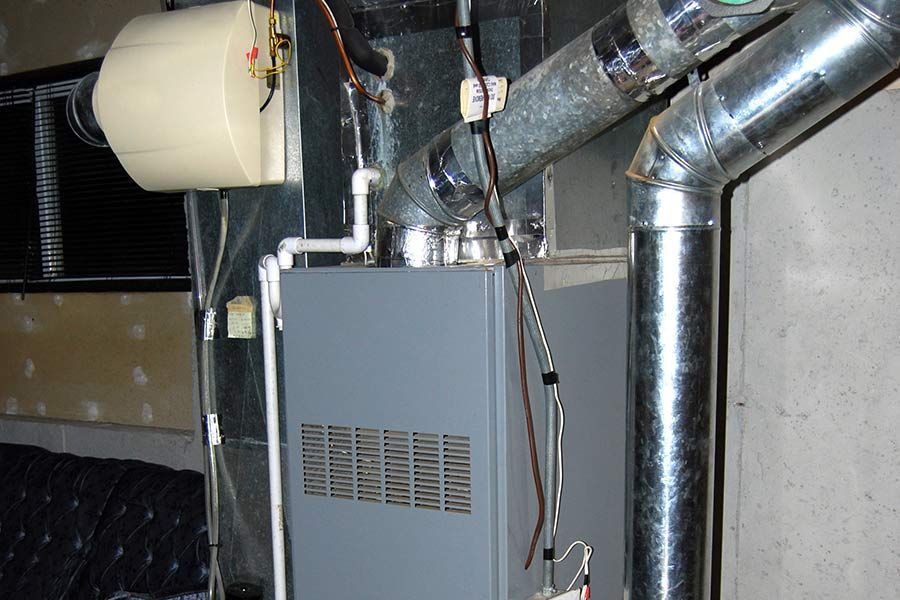
You’ve prepared your home for a new furnace, ensuring efficiency and comfort. Some might worry it’s too much work, but these steps prevent costly repairs and improve performance. Proper planning lets you enjoy a warm, efficient home and save on energy bills. Don’t forget to test the new system once installed. Following these steps will maximize your investment and transform your home into a snug haven for years.
Frequently Asked Questions
How Long Does a Furnace Installation Typically Take?
A furnace installation usually takes 4 to 8 hours. To expedite the process smoothly, ensure you’ve cleared the installation area, removed obstructions, and provided service technicians with easy access to electrical and gas connections.
What Permits Are Needed for Furnace Installation?
Before installing a furnace, you’ll need to check local building codes and obtain necessary permits. Contact your municipality’s building department. Permits guarantee safety compliance, protecting you and those you serve in your community.
Can I Use My Old Thermostat With the New Furnace?
Yes, if it's compatible, you can use your old thermostat with the new furnace. Make certain it supports the furnace’s features, like multi-stage heating. Check the wiring and compatibility requirements, prioritizing energy efficiency and client comfort.
How Often Should I Service My New Furnace?
You should service your new furnace annually to guarantee maximum efficiency and safety. Regular maintenance prevents breakdowns, extends lifespan, and maintains warranty coverage. Hire a qualified technician to clean, inspect components, and adjust settings for peak performance.
What Are Common Signs of Installation Issues?
Do you notice strange noises, inconsistent temperatures, or rising energy bills? These could signal installation issues. Check duct connections, thermostat settings, and airflow. Guarantee everything’s properly sealed and aligned. Address these quickly to guarantee efficiency and comfort.