Why Your Mini Split Stopped Heating in Berea, KY
Watson Heating & Air
October 31, 2026
HVAC contractor in Richmond, KY

A mini split not heating in Berea, KY, is most often caused by low refrigerant from a leak, clogged filters, a blocked or iced outdoor unit, incorrect thermostat settings, or age-related wear. Watson Heating & Air recommends confirming the mode and filters first, then scheduling professional heating repair in Berea if heat does not return.

Key Points

  • Common causes: Low refrigerant, clogged filters, blocked outdoor units, and thermostat problems are the usual reasons a mini split stops heating.
  • Urgent red flags: Grinding or hissing noises, uneven heat, heavy ice, burning smells, and frequent shutoffs need prompt repair.
  • Basic checks first: Confirming heat mode, checking filters, clearing the outdoor unit, and noting error codes can rule out simple causes.
  • When to call: If basic checks fail or the system runs constantly without heating, it is time for a technician.
  • Prevention: Clean filters, clear drain lines, a clear outdoor unit, and annual maintenance keep a mini split heating reliably.

What Causes Mini Split Heating Problems?

A mini split usually stops heating because of low refrigerant, a clogged air filter, a blocked or iced outdoor unit, incorrect thermostat settings, or age and wear. Each of these limits how well the system can move heat from the outdoor air into your home.

  • Low refrigerant: Refrigerant carries heat into the home, and low levels reduce heating output. Low refrigerant is usually caused by a leak, which calls for professional refrigerant leak repair rather than a simple top-off.
  • Clogged air filter: A dirty filter restricts airflow, making it hard for the indoor unit to deliver warm air.
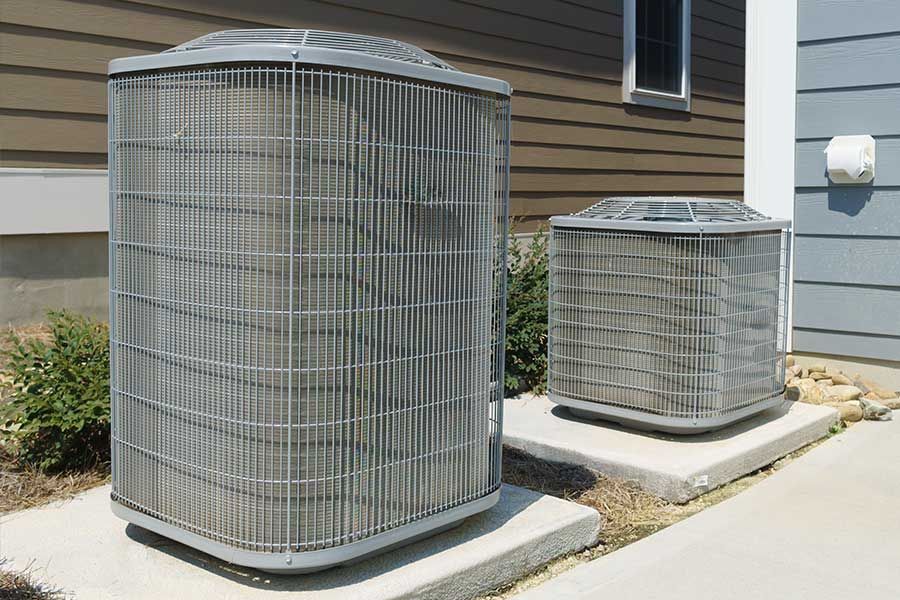
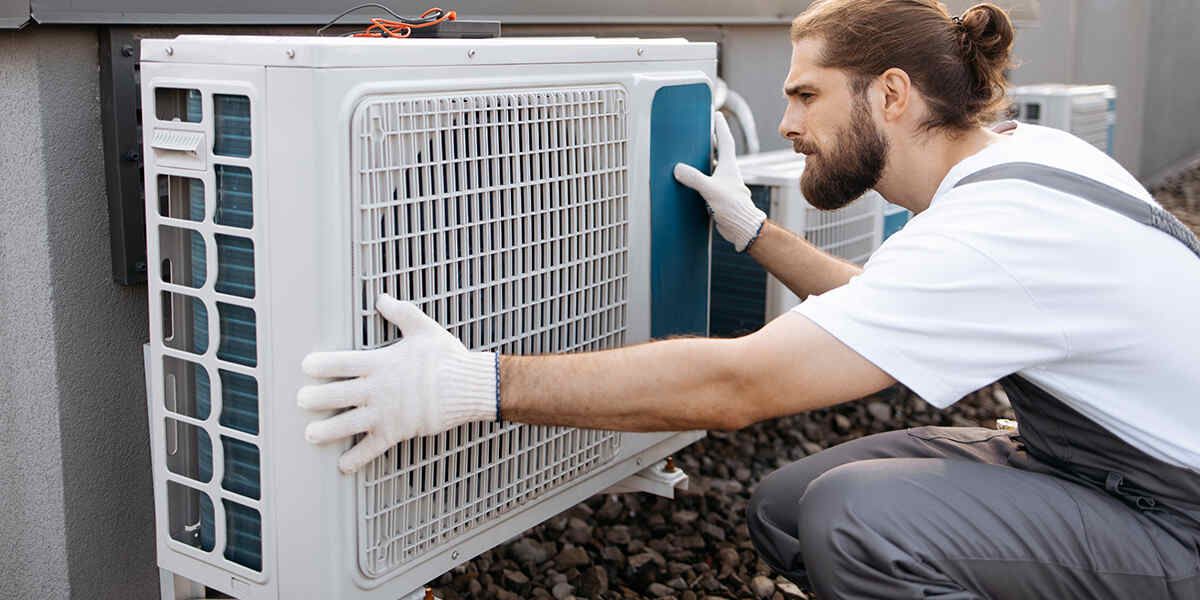
  • Blocked outdoor unit: Debris or ice on the outdoor unit keeps it from transferring heat effectively.
  • Thermostat settings: Settings that are off or a malfunctioning control lead to incorrect temperature readings and poor heating.
  • Age and wear: Older systems may struggle to deliver adequate heat as their components wear out.

In our work throughout Berea, homes near the Pinnacles and Indian Fort Mountain tend to have more leaves and wooded debris collecting around outdoor units, which makes keeping the unit clear especially important each fall. Understanding these causes lets you take proactive steps to keep your mini split running smoothly and your home warm. If any of these issues show up, Watson Heating & Air can help restore comfort promptly.

Red Flags Indicating Your Mini Split Requires Urgent Repair

A mini split needs urgent repair if it makes grinding or hissing noises, heats unevenly, builds up heavy ice, causes a sudden spike in energy bills, gives off burning or unpleasant odors, or shuts off frequently. Spotting these red flags early helps you avoid bigger problems and costly replacements later.

  • Strange noises: Grinding or hissing sounds point to mechanical or refrigerant problems that need attention.
  • Uneven heating: If some rooms are freezing while others stay warm, the system is not functioning properly.
  • Ice buildup: Light frost on the outdoor unit in cold weather is normal because the system runs defrost cycles, but heavy ice that stays put is a warning sign.
  • Higher energy bills: A sudden spike in energy costs often means the system is working harder than it should.
  • Burning or unpleasant odors: A persistent burning smell can indicate a serious problem, so turn the system off and call for service right away.
  • Frequent shutoffs: A mini split that keeps shutting off or struggles to maintain temperature clearly needs repair.

Based on what we see in Berea homes, freeze-thaw winters put extra strain on outdoor units, so ice-related problems often surface during cold snaps. For any of these red flags, professional ductless mini split repair restores heat and helps extend the life of the system. Do not hesitate to reach out to Watson Heating & Air for expert help.

What Should You Check Before Calling for Mini Split Repair?

Before calling for repair, confirm the mini split is set to heat, check the filters, look at the outdoor unit for debris or ice, and note any error codes on the display. These basic checks rule out simple causes and give a technician useful information for the visit.

  • Thermostat or remote settings: Confirm the system is in heat mode and the set temperature is higher than the current room temperature.
  • Filters: Dirty filters restrict airflow and cause heating problems, so they should be cleaned or replaced as needed.
  • Outdoor unit: Make sure the unit is free of leaves, debris, and snow so it can operate properly. Never chip at ice with tools, since heavy ice is a job for a technician.
  • Error codes: If your system has a display, write down any error codes, because they help a technician pinpoint the specific problem faster.

These checks are meant to rule out the basics, not to replace a diagnosis. If they do not bring the heat back, schedule a consultation with Watson Heating & Air so a technician can find the cause and make sure your system is operating efficiently.

When Should You Call for Help With Your Mini Split?

Call for help when your mini split's heating output declines, rooms heat unevenly, the unit makes strange noises, or basic checks like cleaning the filters and confirming the settings do not solve the problem. A mini split that runs constantly without warming the space also needs professional attention.

Other warning signs to take seriously include fluid leaking around the indoor or outdoor unit and an unusual increase in energy bills. For homes along Chestnut Street and across Madison County, a mini split that quits during a cold snap can leave rooms uncomfortable quickly, so it pays to act on these signs early.

Watson Heating & Air provides prompt, reliable service, including 24/7 emergency HVAC service on nights, weekends, and holidays. Addressing problems early keeps your home cozy and comfortable. If your system is older and repairs keep adding up, we can also walk you through new ductless mini split systems that fit your home and heating needs.

Preventative Maintenance Tips for Your Mini Split System

Preventative maintenance keeps a mini split heating efficiently, extends its lifespan, and helps you avoid unexpected breakdowns. A few routine habits combined with annual professional service cover most of what the system needs.

Here are the key maintenance steps for a mini split:

  • Clean or replace filters regularly: Clean filters keep airflow strong and the system efficient.
  • Keep drain lines clear: Clogged drain lines can cause water damage and hurt performance, so they should be inspected regularly.
  • Schedule annual professional maintenance: A yearly visit catches potential problems early, before they turn into heating failures.
  • Keep the outdoor unit clear: Removing debris around the outdoor unit keeps airflow and operation where they should be.

With Kentucky's freeze-thaw winters and humid summers, a mini split works hard for most of the year, so scheduling the professional visit before heating season is a smart habit. Members of our Preferred Member Club also receive priority service.

Frequently Asked Questions

Why is my mini split blowing cold air in heat mode?

A mini split blowing cold air in heat mode is often running a defrost cycle, which is normal for a short time in cold weather. If cold air continues, the cause may be incorrect settings, a clogged filter, low refrigerant, or a failing component. Persistent cold air in heat mode needs a technician to diagnose the problem.

Can a mini split keep a Berea home warm in winter?

A properly sized and maintained mini split can keep a Berea home warm through typical Madison County winters. Performance depends on the model, the sizing, and the condition of the system. Older or undersized systems may struggle during the coldest cold snaps, so a technician can confirm whether your mini split is a good fit for your home.

Should I repair or replace a mini split that stopped heating?

Repairing a mini split makes sense when the problem is a single component, a leak, or a maintenance issue on a newer system. Replacement is worth considering when the system is older, repairs keep recurring, or energy bills keep climbing. A technician can weigh the repair against the system's age and condition to guide the decision.

How often should a mini split be serviced?

A mini split should be professionally serviced at least once a year, with filters cleaned or replaced more often between visits. Annual service catches refrigerant, drainage, and electrical problems early. Because the same system handles both heating and cooling, scheduling service before winter helps make sure it is ready when temperatures drop.
Furnace Maintenance Tips

Keeping Your Berea Home Warm All Winter

When winter sets in, a warm home is a refuge, and a mini split that stops heating can turn that comfort into frustration fast. Watson Heating & Air helps homeowners in Berea, KY, understand why their mini split stopped heating, catch red flags early, and keep minor issues from snowballing into major repairs. With the right repairs and routine maintenance, your system can keep your home cozy no matter how cold it gets outside. If your mini split is not heating the way it should, reach out to our team or call us to schedule service.
By Josh Crouch • October 31, 2026
Strange noises, cold rooms, or a rising heating bill? Learn the five signs your furnace is overdue for service and when Lexington homeowners should act.
By SEOCH • October 31, 2026
Planning a heat pump upgrade in Richmond, KY? See what drives installation cost, which extra expenses to plan for, and how to budget without surprises.
homeowner in front of her house heating system
By SEO CH • October 20, 2026
The 5 main house heating systems are furnaces, boilers, heat pumps, radiant floors, and electric heat. Compare how each works with Watson in Richmond, KY.
Technician cleaning an air conditioner coil on an outdoor unit in Berea, KY
By SEO CH • October 20, 2026
Clean an air conditioner coil by shutting off power, brushing off debris, and using a coil-safe cleaner. Follow 6 simple steps from Watson in Berea, KY.
Gas furnace without power during a winter outage in Richmond, KY
By SEO CH • October 20, 2026
No, a gas furnace will not work without electricity. Its ignition, gas valve, and blower need power. Learn how to stay warm safely during an outage in Richmond.
High-efficiency furnace installed in a Richmond, KY home
By SEO CH • October 20, 2026
Yes, a high-efficiency furnace can run more often, but at lower speeds that use less energy. Learn the furnace types, benefits, and replacement signs here.
Stainless steel chimney liner venting a gas furnace
By SEO CH • October 20, 2026
Most gas furnaces that vent through a masonry chimney need a chimney liner to block corrosion and carbon monoxide. See when you need one and signs of trouble.
By SEOCH • October 1, 2026
Commercial HVAC systems carry a different kind of load than residential equipment — larger occupied spaces, more demanding airflow requirements, and often longer daily run times. In Lexington, KY, where businesses ranging from office parks along New Circle Road to retail in Hamburg Pavilion depend on reliable climate control, preparing a commercial system before heavy seasonal use isn't optional. It's the difference between a smooth peak season and a mid-summer emergency service call. Here's what Watson Heating & Air addresses when preparing commercial systems for heavy use. 1. Essential Maintenance Checks A thorough pre-season inspection covers the components most likely to cause failure under sustained load. Filters need to be inspected and replaced — commercial systems often use larger media filters that last longer than residential 1-inch filters, but they still require regular attention. Evaporator and condenser coils should be checked for dirt and debris accumulation, and cleaned if needed, since coil fouling directly reduces system capacity and increases energy consumption. Refrigerant levels, electrical connections, and belt tension on older systems with belt-driven fans should all be verified before the system is put under peak demand. Catching a low refrigerant charge or a failing contactor during a scheduled maintenance visit costs a fraction of what an emergency repair costs when the system fails on a 95-degree afternoon. Watson Heating & Air's commercial HVAC service for Lexington businesses covers all of these checkpoints systematically. 2. Proper Insulation for Energy Efficiency Insulation in commercial buildings affects HVAC performance in ways that are often underestimated. Poorly insulated duct runs in unconditioned spaces — mechanical rooms, roof cavities, or parking structures — allow significant heat gain into the conditioned air supply before it reaches the occupied space. This forces the system to work harder to maintain comfort, increasing both energy consumption and equipment wear. For Lexington commercial properties undergoing renovation or those with aging building envelopes, an insulation assessment is a worthwhile investment before heavy HVAC use resumes. Even targeted upgrades in high-loss areas can produce measurable improvements in system efficiency and occupant comfort. 3. Smart Thermostat and Controls Upgrades Building automation and smart thermostat technology has advanced significantly, and older commercial properties still using basic programmable controls are leaving efficiency on the table. Modern commercial thermostats and building control systems offer: Remote monitoring and adjustment — allowing facilities managers to respond to issues without being on-site. Occupancy-based scheduling — so HVAC loads are matched to actual building use rather than fixed time schedules. Energy usage reporting — providing data to identify waste and optimize settings over time. System integration — allowing HVAC to coordinate with lighting, access control, and other building systems. Watson Heating & Air installs and configures commercial thermostat and controls solutions for Lexington businesses and helps facilities teams understand how to get the most out of them. 4. Ventilation Assessment for Air Quality Commercial ventilation requirements are governed by code standards tied to occupancy type and square footage. Before heavy use, verifying that ventilation rates meet current ASHRAE standards for your building type is both a comfort and a compliance issue. Under-ventilated commercial spaces accumulate CO2, VOCs, and airborne contaminants at levels that impair occupant focus and productivity — sometimes without any obvious symptom other than a building that feels stuffy or where occupants frequently report headaches. Duct cleaning and air balancing are often neglected in commercial systems until a problem becomes obvious. A pre-season airflow and ventilation check ensures the system is delivering the right volume of conditioned, filtered air to every occupied zone. Pairing clean ductwork with quality filtration or a UV purification system creates a healthier environment for employees and customers throughout the Lexington business district. 5. Seasonal Preparation for Lexington's Climate Transitions Lexington's weather can shift quickly between seasons, and commercial systems that are pushed directly from a winter heating configuration into summer cooling mode without a transition check tend to underperform in the early weeks of heavy use. Pre-season preparation involves: Changing over thermostat programs and setpoints for the cooling season. Verifying the economizer function if the system includes outside air controls. Inspecting condensate drain lines and drain pans for clogs or buildup from the heating season. Confirming the cooling sequence of operation for all zones. Scheduling this pre-season work before demand peaks — not after the first complaint — is what keeps Lexington commercial properties running reliably through their busiest periods.
By SEOCH • October 1, 2026
Heating costs in Richmond, KY homes climb steadily from October through February, and a significant portion of that expense comes from heating patterns that don't match how the home is actually being used. A smart thermostat addresses this directly — by learning the household's schedule, responding to occupancy changes, and providing data that makes it easy to optimize settings. Watson Heating & Air installs smart thermostats throughout the Richmond area, and the homeowners who invest in them consistently report measurable reductions in their monthly bills. How Smart Thermostats Reduce Energy Waste Traditional programmable thermostats operate on a fixed schedule — they heat the home at set times regardless of whether anyone is there. Smart thermostats go further by learning from your household's actual patterns and adjusting automatically. When the home is unoccupied on a school day or work morning, the system pulls back to an energy-saving setpoint without any manual input. When occupants are due home, the thermostat anticipates arrival and begins warming the space in time. Many models use geofencing technology, reading the location of connected smartphones to switch between "home" and "away" modes without requiring any manual adjustment. In a Richmond home where schedules vary week to week, this kind of adaptive behavior is more effective than any fixed program. Watson Heating & Air's thermostat installation and service covers the full range of smart thermostat options for Richmond homeowners. Key Features of Smart Thermostats for Richmond Homeowners Learning capability is the headline feature — the thermostat builds a model of your household's patterns and adjusts automatically over the first several weeks of use. But several supporting features add practical value: Remote access via smartphone app: Adjust the temperature from anywhere, which is useful when schedules change unexpectedly. Energy usage reports: Monthly summaries show exactly how the heating system was used and where the most energy was consumed. System runtime alerts: Notifications if the heating system runs unusually long can indicate an HVAC problem worth addressing before it becomes a breakdown. Smart home integration: Compatibility with Amazon Alexa, Google Home, and Apple HomeKit allows voice control and coordination with other smart home devices. For Richmond homeowners who've invested in an efficient furnace or heat pump, a smart thermostat ensures that efficiency is fully realized in operation — not just on the spec sheet. Installation and Setup Most smart thermostats are designed for straightforward installation on existing HVAC wiring, but there are a few important considerations. Homes with older two-wire low-voltage thermostats may need a C-wire (common wire) added to the system to provide constant power to the smart thermostat. Watson Heating & Air handles this as part of the installation process, ensuring the thermostat is connected correctly and the system communicates properly with the new device. Setup involves connecting to the home's Wi-Fi network, configuring the initial schedule, and enabling features like geofencing if desired. Our technicians walk Richmond homeowners through the app setup and verify that the heating system is responding correctly before the visit is complete. Pairing a new smart thermostat installation with furnace maintenance in Richmond ensures both the control and the equipment are optimized at the same time. Real Savings in Richmond Homes The EPA estimates that homeowners who use smart thermostats correctly can save 10 to 12 percent on heating costs annually. In a Richmond home with a typical gas heating bill, that represents a meaningful annual saving. Families who make active use of the remote access features — adjusting the schedule when travel plans change, for instance, or turning down heat during an unexpectedly mild week — typically see results toward the higher end of that range. The savings are most pronounced in homes where previous heating habits were relatively fixed — leaving the heat at the same temperature around the clock, or using a basic programmable thermostat set to a single schedule. The adaptive intelligence of a smart thermostat finds efficiency that those approaches can't. Getting the Most Out of Your Smart Thermostat A smart thermostat performs best when: It's installed in a location with representative temperature readings — away from direct sunlight, exterior doors, and supply air vents. Geofencing is enabled and connected to the phones of the primary occupants. The system's scheduling and setpoint preferences are reviewed after the first month of use, when the thermostat's initial learning period is complete. The HVAC system behind it is properly maintained — a smart thermostat running an inefficient or dirty system can't fully compensate for the equipment's limitations. Regular HVAC maintenance through Watson Heating & Air's Preferred Member Club ensures the system behind the smart thermostat is working as efficiently as the control expects.