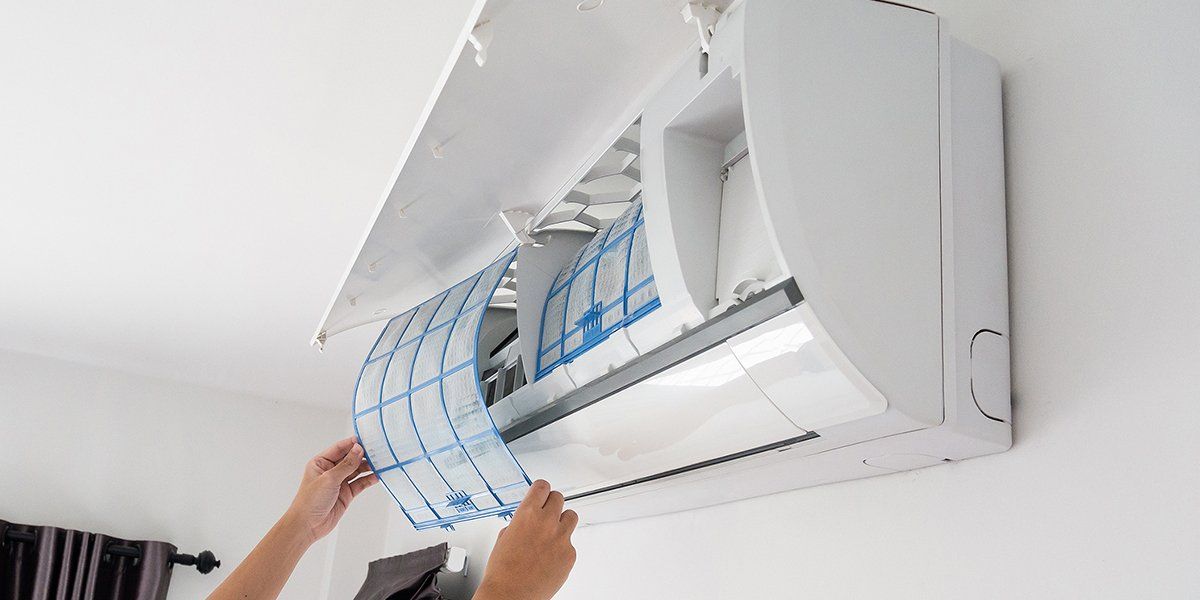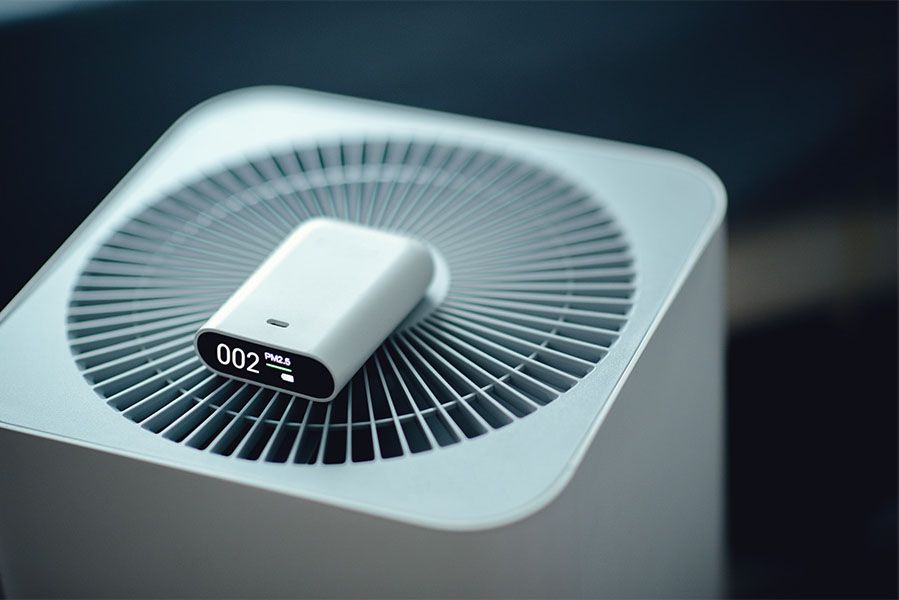
How Often Should You Replace Your AC Air Filter in Lexington, KY?
Watson Heating & Air
August 1, 2026
HVAC contractor in Richmond, KY

Air filter replacement is one of those maintenance tasks that's easy to let slide — until the consequences start showing up in your energy bills or your home's comfort. In Lexington, KY, where summers push HVAC systems to their limits for months at a time, staying on top of filter changes pays off in efficiency, air quality, and equipment longevity. Watson Heating & Air has been helping Lexington homeowners keep their systems running right since 2011, and filter care is one of the first things we address on every maintenance visit.

Why Replacing Your AC Air Filter Matters in Lexington, KY

Lexington's HVAC systems run hard. From the humidity that builds through June and July to the extended cooling demands of a Central Kentucky summer, your system is cycling frequently — which means the filter accumulates debris faster than in a milder climate. A clean filter allows air to flow freely, which keeps the system operating at designed efficiency and prevents strain on the blower motor, evaporator coil, and compressor.

A clogged filter does the opposite. It restricts airflow, causes the evaporator coil to run colder than intended (sometimes freezing it entirely), and forces every component to work harder to move the same volume of air. The result is higher energy bills, uneven cooling across your home, and accelerated wear on parts that should last years longer.

How Often Should You Change Your AC Air Filter?

For most Lexington homes, replacing the filter every one to three months is the practical target. A few factors should push you toward the shorter end of that range:

  • Households with one or more pets — dander and fur clog filters much faster than normal dust accumulation.
  • Anyone in the home with allergies or respiratory sensitivities — more frequent changes reduce allergen load in the air supply.
  • Homes in areas with higher outdoor dust or pollen, which is common near the agricultural areas surrounding Lexington.
  • Periods of peak AC use — during July and August in Lexington, it's worth checking the filter every 30 days rather than waiting for the 90-day mark.

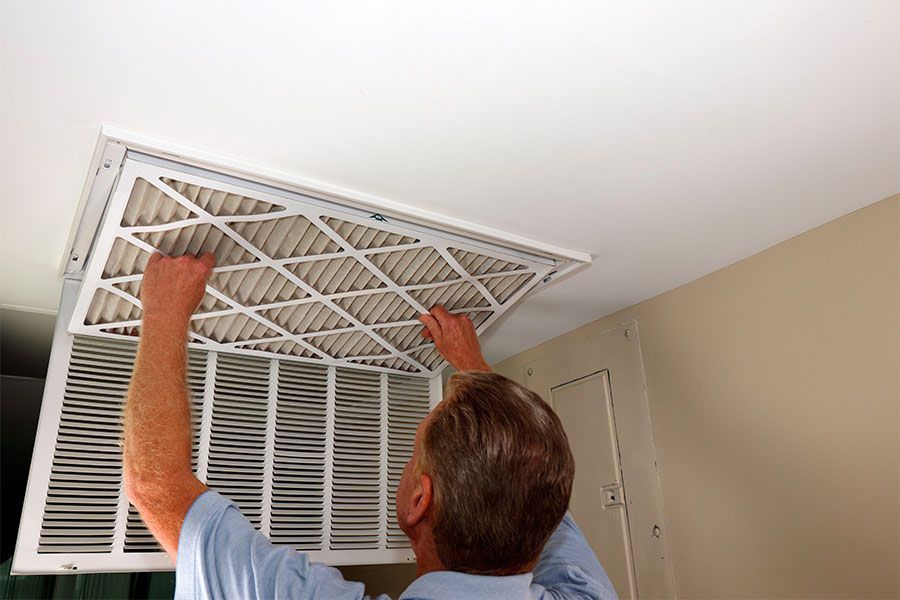
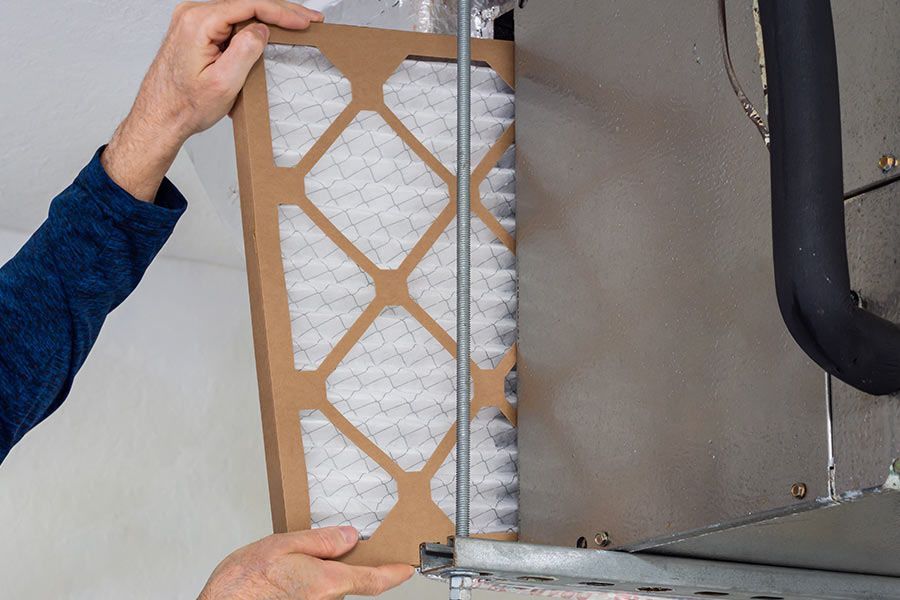
Standard pleated filters in a typical Lexington home with no pets typically last 60 to 90 days. High-efficiency filters and thicker 4- or 5-inch media filters can last longer, but should still be checked on schedule. Watson Heating & Air's AC maintenance service in Lexington includes filter evaluation every visit.

Signs Your AC Air Filter Needs Replacement

A few clear signals indicate the filter is past due:

  • Increased energy bills — a restricted filter forces the system to run longer to reach the same temperature.
  • More dust on surfaces — when the filter can't trap particles effectively, they circulate and settle throughout the home.
  • Weak airflow from vents — noticeably reduced air movement is often the first physical symptom of a clogged filter.
  • Musty or stale odors when the system runs — this can indicate moisture or mold on an overloaded filter or the coil behind it.
  • Short cycling — frequent on/off cycling without reaching the set temperature suggests the system is struggling against restricted airflow.

Any of these signs warrant an immediate filter check, regardless of when you last changed it. For Lexington homeowners managing high-MERV filters or older systems, the same indicators apply.

What Happens If You Don't Replace the Filter?

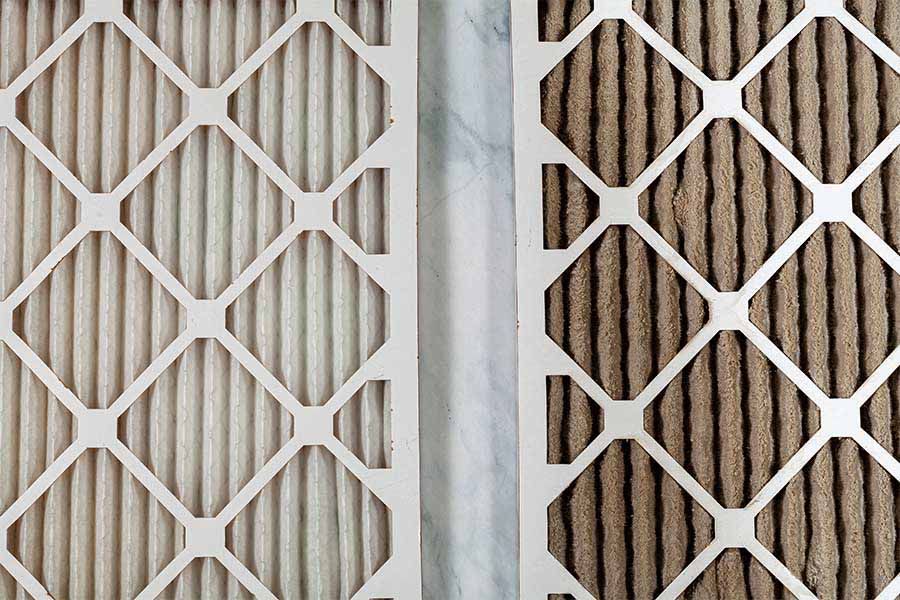
Neglecting filter replacement has a compounding effect. An overloaded filter that continues operating doesn't just reduce comfort — it allows debris to bypass the filter entirely and accumulate on the evaporator coil. Coil buildup is harder to remove than a simple filter swap and requires professional AC coil cleaning to resolve.

In severe cases, a clogged filter leads to coil freezing, refrigerant pressure problems, and compressor strain. These are repairs that cost significantly more than a year's worth of replacement filters. The filter is the least expensive line of defense in your system — replacing it on schedule is genuinely one of the best returns on investment available to any homeowner.

Tips for Choosing the Right Air Filter for Your AC

When selecting a filter for your Lexington home:

  • Match the dimensions precisely — width, height, and thickness all matter. An undersized filter creates gaps that let unfiltered air reach the coil.
  • Choose a MERV rating of 8 to 12 for most residential systems. Higher isn't always better — a very high MERV filter can restrict airflow more than the blower is designed to handle.
  • Pleated filters outperform fiberglass at the same price point for most homeowners.
  • If anyone in your household has allergies, look for filters rated for allergen and fine particle capture.
Furnace Maintenance Tips

Keep Your System Running Clean

Replacing your AC air filter on schedule is one of the simplest things a Lexington homeowner can do to protect a significant investment. If you're behind on filter changes or want a professional assessment of your system's current condition, Watson Heating & Air is ready to help. Contact our team today to schedule service.
By SEOCH August 1, 2026
Air filter replacement is one of the simplest and most impactful things an Irvine, KY homeowner can do for their HVAC system — yet it's one of the tasks that most commonly gets pushed aside. In a community like Irvine, where homes range from older farmhouses to newer construction along the Estill County corridor, filter requirements can vary considerably. The right replacement schedule depends on your household, your system, and the conditions inside and around your home. Why Regular Air Filter Changes Matter for Your HVAC System Your air filter's job is to keep dust, debris, and airborne particles from being pulled into the HVAC system, where they can coat the evaporator coil, clog the blower motor, and restrict airflow through the ductwork. When a filter becomes clogged, it doesn't just reduce air quality — it forces the system to work harder to move air through the resistance, which increases energy consumption and accelerates wear on components. The consequences of neglecting filter changes show up gradually: higher energy bills, rooms that don't heat or cool evenly, and eventually equipment failures that could have been avoided. Watson Heating & Air's AC maintenance service in Irvine includes a filter check on every visit, but the schedule between professional visits is the homeowner's responsibility. How Often Should You Change Your Air Filter in Irvine, KY? For most Irvine homes, every one to three months is the appropriate target. That's a wide range, and where you fall within it depends on several factors: Homes with pets should change filters monthly, as dander and hair clog filters significantly faster than dust alone. Households with allergy sufferers benefit from a tighter schedule — monthly or every six weeks — and from using a higher-MERV filter that captures smaller particles. Homes with minimal occupancy or no pets can often stretch to every 90 days. During peak HVAC use months — typically June through August and December through February in Irvine — check filters more frequently, as higher run time means faster buildup. The bottom line: check the filter monthly and replace it when it looks gray and dense. Don't rely purely on calendar dates. Signs Your Air Filter Needs Immediate Replacement There are a few clear signals that the filter is past due and affecting system performance: Energy bills that have risen without a corresponding change in usage or weather — a clogged filter forces the system to work harder. Increased dust on surfaces throughout the home, particularly near vents — this indicates the filter is no longer trapping particles effectively. Reduced airflow from supply vents — hold your hand near a vent when the system is running; noticeably weak airflow often points to a restricted filter. Short cycling — the system turning on and off frequently — which can indicate the blower is struggling against restricted airflow. If your air filter replacement schedule has slipped, these symptoms are a prompt to act now rather than wait for the next scheduled change. The Benefits of Using High-Quality Air Filters Not all filters perform equally. Standard fiberglass filters are inexpensive but capture only large particles. Pleated filters with a higher MERV rating (between 8 and 13 is the practical sweet spot for residential systems) capture smaller particles including pollen, mold spores, and fine dust without restricting airflow to the point of system strain. For Irvine homes where outdoor pollen and agricultural dust are seasonal concerns, a higher-quality pleated filter is typically worth the additional cost. It protects the HVAC equipment, improves air quality, and often lasts the full replacement interval without needing to be checked mid-cycle. Tips for Choosing the Right Air Filter When selecting a replacement filter: Match the exact dimensions of the current filter — even a slightly undersized filter creates gaps that allow unfiltered air to bypass it. Choose a MERV rating between 8 and 13 for most residential systems; higher ratings restrict airflow more and may not be appropriate for older or less powerful systems. Consider a 4- or 5-inch deep media filter if your system's filter cabinet accommodates it — these last significantly longer than 1-inch filters and provide better filtration. If allergies are a concern, look for filters specifically rated for allergen capture rather than just dust.
By SEOCH August 1, 2026
Indoor air quality often gets overlooked compared to other home comfort concerns — but what your family breathes matters just as much as how cool or warm the house is. UV air purifiers have become an increasingly popular addition to HVAC systems in Richmond, KY homes, and the science behind them is straightforward: ultraviolet light disrupts the DNA of airborne microorganisms, rendering them unable to reproduce. The result is cleaner air circulating through your home with every cycle. At Watson Heating & Air, we install and service UV air purifiers throughout the Richmond area, and here's what homeowners consistently report after installation. 1. Elimination of Harmful Bacteria and Viruses UV air purifiers target the pathogens that standard HVAC filters don't catch. As air passes through the system and across the UV lamp, bacteria and viruses are exposed to concentrated ultraviolet light that breaks down their cellular structure. This is particularly valuable during flu season or when a household member is sick, as it reduces the circulation of active pathogens through the air supply. For Richmond homeowners who want a more complete approach to home health, pairing a UV purifier with a properly maintained HVAC system provides an added layer of protection that goes beyond filtration. Our UV air purifier installation service integrates the unit directly into your existing system for whole-home coverage. 2. Reduction of Allergens UV light is effective against mold spores, which are a major allergen source in homes throughout Central Kentucky. Richmond's humid summers create conditions where mold spores thrive — in ductwork, on coil surfaces, and in drain pans where moisture accumulates. A UV purifier installed near the evaporator coil addresses this directly, inhibiting mold growth at one of the most vulnerable points in the system. Dust mites, pet dander, and outdoor pollen that makes its way inside are also reduced. For households with allergy sufferers or young children, the cumulative effect is fewer triggers in the air and noticeably easier breathing through high-pollen months. 3. Control of Household Odors Eliminate Odor-Causing Bacteria Many household odors — musty basement air, pet smells, cooking odors that linger — are caused by airborne bacteria and organic particles. UV light breaks down the bacteria at their source rather than simply masking the smell. Homeowners consistently report fresher-smelling air within days of installation, particularly in homes where pets or moisture have been an issue. Neutralize Volatile Organic Compounds Volatile organic compounds (VOCs) off-gas from paints, cleaning products, new furniture, and building materials. In a well-sealed home, these compounds accumulate in the air supply over time. Advanced UV purifiers equipped with photocatalytic oxidation technology can break down VOCs, removing the chemical source of odors rather than filtering around them. Improve Overall Air Freshness The cumulative effect of removing bacteria, mold spores, and VOCs is air that simply smells cleaner. Many Richmond homeowners describe this as the most immediately noticeable change after installation — a reduction in the subtle background staleness that builds up in any home with consistent occupancy and limited fresh-air exchange. 4. Reduced Risk of Respiratory Issues For families dealing with asthma, chronic allergies, or other respiratory sensitivities, the air quality inside the home can have a direct impact on day-to-day health. By reducing the concentration of mold spores, bacteria, and allergens in the air, UV purifiers can decrease the frequency and severity of respiratory symptoms. This benefit is especially relevant in Richmond, where seasonal pollen counts and humidity levels create challenging conditions for sensitive individuals. A UV purifier doesn't replace medical treatment, but it does reduce the environmental load your family's respiratory systems have to handle every day. 5. HVAC System Protection UV purifiers installed near the evaporator coil do more than improve air quality — they protect the coil itself from mold and bacterial growth. A clean coil operates more efficiently, transfers heat more effectively, and requires less frequent cleaning. Over time, this contributes to lower energy bills and extends the working life of the coil. This is one reason we recommend UV purifiers as part of a broader indoor air quality solution rather than a standalone add-on. The system benefits are real and measurable. 6. How to Choose the Right UV Air Purifier Selecting the right unit depends on your home's square footage, the placement within your HVAC system, and whether you're primarily targeting microbial growth, VOC reduction, or both. Single-lamp units installed at the coil are effective for mold control; dual-lamp systems that treat both the coil and the air stream offer more comprehensive coverage. Watson Heating & Air helps Richmond homeowners evaluate their specific needs and recommends units that fit their system and goals. Every installation is carried out by licensed technicians who ensure proper placement and secure integration with the existing HVAC setup. 7. Ongoing Maintenance for Lasting Performance UV lamps lose effectiveness over time and should be replaced approximately every 12 months, depending on the model. During annual HVAC maintenance visits, we inspect the purifier, verify lamp output, and replace the bulb as needed. The pre-filter, if the unit has one, should be checked on the same schedule as your HVAC filter. Watson Heating & Air's Preferred Member Club includes routine UV purifier checks as part of our preventive maintenance visits, so Richmond homeowners don't have to track the lamp replacement schedule on their own.
By SEOCH August 1, 2026
The decision between a ductless mini split and a central AC system isn't one-size-fits-all — and for Berea, KY homeowners, the right answer often comes down to the specific characteristics of your home. Berea's mix of older historic-district homes, newer subdivisions, and rural properties creates a range of scenarios where one system type has a clear advantage over the other. Watson Heating & Air has installed and serviced both systems throughout Madison County, and here's how we help homeowners think through the choice. Understanding Mini Split and Central AC Systems Central air conditioning uses a single outdoor condensing unit paired with an air handler inside the home, distributing conditioned air through a network of ductwork and registers. It's the system most Berea homeowners are already familiar with — and in homes with existing ductwork in good condition, it remains a practical and cost-effective choice. Ductless mini splits use the same basic refrigerant-based cooling technology but skip the ductwork entirely. An outdoor compressor connects to one or more indoor air-handling units mounted on walls or ceilings, each capable of conditioning its own zone independently. This design makes mini splits particularly well-suited to homes without existing ductwork — which includes many of Berea's older properties — or to additions and accessory spaces where extending ductwork would be prohibitively expensive. Watson Heating & Air's ductless mini-split service covers both installation and ongoing maintenance throughout the Berea area. Key Advantages of Mini Split Systems for Berea Homes The most significant advantage of mini splits in a Berea context is installation flexibility. For older homes in the College Square area or properties along US-25 where ductwork doesn't exist or is too deteriorated to be worth repairing, mini splits offer a path to efficient, zoned cooling without major structural work. Zoning capability is the other major draw. Each indoor air-handling unit operates independently, so you can keep frequently used rooms cooler without conditioning spaces that are rarely occupied. This targeted approach can generate meaningful energy savings over time. Mini splits also run quietly and provide both heating and cooling from a single system, which is an advantage in Berea's climate where mild spring and fall temperatures make dual-function systems particularly practical. Benefits of Central AC Systems in Berea's Climate For homes with existing ductwork in good condition, central AC typically offers the most cost-effective path to whole-home cooling. In Berea's summers — which push into the 90s with significant humidity from late June through August — the ability to cool an entire home uniformly is a real comfort advantage. Central systems are also more familiar to most homeowners, easier to integrate with existing thermostat systems, and tend to have lower upfront installation costs when ductwork is already in place. The integrated filtration of a central system can also improve whole-home air quality when paired with a quality filter or indoor air quality solutions . Cost Considerations: Mini Split vs. Central AC The cost comparison between mini splits and central AC depends heavily on the specific situation. For a home without ductwork, the choice is often between installing ductwork for a central system (a significant cost) versus installing a mini split system. In that scenario, mini splits frequently offer lower total installation cost and better long-term efficiency. For homes with functioning ductwork, central AC installation is typically less expensive upfront. The long-term operating costs favor mini splits due to their efficiency ratings, but the gap depends on how the system is used and how well-sealed the existing ductwork is. Watson Heating & Air offers flexible financing options to make either investment more manageable, and our team can walk through realistic cost projections for both options based on your specific home. Which System Is Right for Your Home in Berea? The practical answer depends on four main factors: whether your home already has ductwork, the age and condition of that ductwork, how many zones you need to condition, and your long-term plans for the property. If your home has functioning ductwork and you want consistent whole-home cooling, central AC is likely the more straightforward choice. If your home lacks ductwork, has a room addition that doesn't connect to the existing system, or if you want precise zone control over individual rooms, a mini split is worth serious consideration. Our team provides honest assessments without pushing toward the higher-cost option — our goal is the right system for your home.
By SEOCH July 1, 2026
There's a particular frustration that comes with an air conditioner that runs constantly but never makes the house feel cooler — especially in a Lexington, KY summer when afternoon temperatures push into the upper 90s. The system is clearly doing something, but comfort is nowhere to be found. This is one of the most common service calls we handle at Watson Heating & Air, and in most cases, the cause comes down to a handful of diagnosable issues. Common Reasons Your AC Runs But Doesn't Cool When an AC runs without cooling, the most common culprit is a refrigerant issue. Your system relies on refrigerant to absorb heat from indoor air and release it outside — without enough refrigerant, that process breaks down. Refrigerant doesn't deplete through normal use; if levels are low, there's a leak somewhere in the system that needs to be found and repaired before recharging. A malfunctioning compressor is another frequent cause. The compressor is the heart of the cooling cycle — if it's failing to compress refrigerant properly, your system will run but won't cool effectively. Blocked or dirty coils, restricted airflow from a clogged filter, and duct leaks that allow cooled air to escape before reaching your living areas can all produce the same symptom: an AC that runs but doesn't deliver comfort. Our AC repair service in Lexington covers all of these diagnostics in a single visit. How Dirty Filters Affect Your AC Performance A dirty air filter is the easiest problem to rule out — and one of the most common causes we find. When the filter becomes clogged, airflow across the evaporator coil drops significantly. Without adequate airflow, the coil can't absorb heat properly and may freeze. A frozen evaporator coil blocks airflow further and eventually thaws, producing water and dramatically reduced cooling capacity. Lexington homes with pets, high traffic, or older HVAC systems tend to accumulate filter buildup faster than average. If your filter hasn't been checked recently, pull it out and hold it up to the light — if you can't see light through it, it's past due. Replacing the filter is the first step before any other diagnosis, and keeping up with replacements through regular AC maintenance in Lexington prevents the issue from recurring. The Role of Refrigerant Levels in Cooling Issues Refrigerant is the medium that makes cooling possible. It absorbs heat from your indoor air at the evaporator coil and releases it outside at the condenser coil. When the charge is low — due to a leak — the system can't complete that heat transfer cycle efficiently, and warm air keeps circulating through your vents. It's worth understanding that refrigerant doesn't get used up over time. If your system is low on refrigerant, there's a leak that needs to be repaired — simply recharging without finding and fixing the source will result in the same problem recurring. A professional refrigerant leak repair addresses both the charge and the source, restoring the system's ability to cool properly. Diagnosing Electrical Problems in Your AC Unit Electrical issues can cause the system to run without cooling effectively, and they're not always obvious from the outside. A failing capacitor, for instance, can allow the fan to run while the compressor struggles to start — producing the sensation of the system running but not doing anything useful. A tripped breaker on one of the AC's circuits can have a similar effect. Key areas to check include: Thermostat settings and calibration — confirm it's calling for cooling, not just fan operation. Circuit breaker panel — check for tripped breakers tied to the AC system. Visible wiring at the disconnect near the outdoor unit — loose connections can interrupt power to the compressor. Capacitor condition — a bulging or leaking capacitor is a visible sign of failure. If any of these check out as potential issues, electrical diagnosis and repair should be handled by a licensed HVAC technician.
By SEOCH July 1, 2026
Weak airflow from AC vents is one of the most common comfort complaints we hear from homeowners in Richmond, KY — particularly during the stretch of humid summer days along US-25. Whether you're dealing with rooms that never quite cool down or vents that barely push air, the cause is usually one of a handful of fixable issues. At Watson Heating & Air, we've diagnosed and resolved these problems throughout Richmond and the surrounding area since 2011. Here's what to look for and what each issue means for your system. Check for Blocked or Dirty Air Filters A clogged air filter is the most frequent culprit behind restricted airflow, and it's also the easiest to address. When the filter becomes packed with dust and debris, air can't move freely through the system — and your AC has to work harder just to circulate the same volume of air through your Richmond home. Most filters should be replaced every one to three months depending on usage and household conditions. Homes with pets, older ductwork, or high dust levels — which is common in the drier months around the Madison County area — may need more frequent changes. A fresh filter is a simple maintenance step that delivers an immediate difference in airflow and system efficiency. Watson Heating & Air's AC maintenance service in Richmond includes filter evaluation and replacement so nothing slips through the cracks. Inspect the Ductwork for Leaks and Damage Leaky or damaged ductwork is a hidden drain on your system's performance. Over time, ducts develop gaps, cracks, or disconnected joints that allow conditioned air to escape into unconditioned spaces before it ever reaches your vents. This is particularly common in older homes around Richmond where duct systems haven't been inspected in years. In our work throughout Richmond, we regularly find duct problems at joints and transitions — spots where sections connect and are prone to separating over time. If certain rooms in your home feel consistently warmer than others, or if you can hear air escaping in the walls, it's worth having a professional assess the ductwork. Sealing those leaks through professional ductwork repair can restore a significant portion of the airflow your system has been losing. Confirm Thermostat Settings and Functionality Sometimes the issue isn't the hardware at all — it's the thermostat. A thermostat placed near a window that gets afternoon sun on the south side of a Richmond home, or one mounted near a kitchen heat source, may read the temperature inaccurately and signal the system to cycle off prematurely. Before calling for service, confirm the thermostat is set to cooling mode, that the temperature setpoint is below the current room temperature, and that batteries are fresh in battery-operated models. If your system seems to run inconsistently or short-cycles, a thermostat inspection or upgrade may be the right next step. Smart thermostats in particular offer more precise readings and can be placed to avoid false temperature readings. Clean AC Vents and Register Grills Dust and debris that accumulates on vent covers and register grills acts as a physical barrier to airflow. It's an easy issue to overlook because the blockage isn't always visible from across the room. In homes near Richmond's older neighborhoods — where carpeting, pets, and seasonal dust are common — buildup can happen faster than expected. Removing and washing register grills with warm soapy water, then vacuuming inside the vent opening before reinstalling, takes less than an hour and can noticeably improve airflow. If your vents look clean but airflow still feels restricted, the issue is likely deeper in the system and warrants a professional inspection. Schedule Regular HVAC Maintenance for Consistent Airflow Many of the airflow problems we see in Richmond homes are preventable with routine maintenance. Annual or semi-annual tune-ups allow a technician to catch issues early — before a dirty coil, low refrigerant, or deteriorating duct section turns into a major repair during a July heat wave. Through Watson Heating & Air's Preferred Member Club , Richmond homeowners receive priority scheduling, diagnostic perks, and peace of mind that their system is ready when the heat arrives. Consistent maintenance is the single most effective way to protect your AC's performance and extend its useful life.
By SEOCH July 1, 2026
An AC unit leaking water is never something to ignore — especially during the hot, humid months that hit Paint Lick, KY hard. Whether you're seeing water pooling beneath the indoor unit or noticing moisture damage around the system, the cause is usually one of several well-documented issues. At Watson Heating & Air, we've handled AC water leaks throughout the Paint Lick area and surrounding Garrard County communities, and we know how quickly a minor leak can become a costly repair if left unaddressed. Common Causes of AC Water Leaks in Paint Lick, KY The most frequent cause of AC water leaks is a clogged condensate drain line. As your system pulls humidity from the air, it generates condensate that drains through a line to the exterior of your home. Over time, algae, mold, and debris can block that line — causing water to back up and overflow. A refrigerant leak is another common cause. When refrigerant levels fall below normal, the evaporator coil can freeze and then thaw, releasing a large amount of water. High humidity levels — familiar to anyone who's spent a summer in the Paint Lick area — put additional strain on the system and can cause excess condensation if the unit is undersized or in need of maintenance. A rusted or cracked drain pan is also worth checking, as even small cracks allow water to bypass containment. Regular AC repair service in Paint Lick can identify these issues before they escalate. How to Tell If Your AC Needs Attention Beyond visible pooling water, there are other warning signs that something is off. If your system is running but failing to cool your home effectively, or if you notice unusual noises like gurgling or hissing from the indoor unit, those can indicate drain line blockages or refrigerant issues. A sudden spike in energy bills — without any change in how you're using the system — often means the AC is working harder than it should because of an underlying problem. Strange odors, particularly musty or sour smells, can point to mold growth in a drain pan or near a blocked line. If you're experiencing any of these symptoms alongside visible water, it's time to reach out to a professional. Watson Heating & Air offers same-day service throughout Paint Lick and the surrounding area, so issues get resolved before they cause further damage. Immediate Steps You Can Take While waiting for professional service, there are a few basic checks that can help limit further damage: Inspect the condensate drain line for visible blockages and try clearing it with a wet/dry vacuum if accessible. Check and replace a dirty air filter — restricted airflow contributes to coil freezing and subsequent water leaks. Examine the drain pan under the indoor unit for cracks or standing water. Make sure the unit is level — an improperly tilted indoor unit can cause water to drain toward the unit instead of away from it. These steps can help in the short term, but they're not a substitute for a professional diagnosis, particularly if the issue is refrigerant-related. When to Call Watson Heating & Air If basic checks haven't resolved the leak, or if water is continuing to accumulate, it's time to call for professional help. Persistent leaks often indicate a more complex issue — a failing compressor, a refrigerant charge problem, or a clogged line that needs professional clearing and treatment to prevent recurrence. Unusual noises, smells, or a system that isn't cooling despite running are all signs that the underlying cause goes beyond what a homeowner can safely diagnose. Watson Heating & Air's licensed technicians diagnose the root cause on the first visit and give you upfront pricing before any work begins. Our emergency HVAC repair service means you're never left waiting when the problem can't wait. Preventing Future AC Water Leaks The most effective way to avoid water leaks is a consistent maintenance routine. Changing filters every one to three months, having the condensate drain professionally flushed at least once a year, and scheduling a refrigerant level check during annual maintenance visits are all straightforward steps that prevent the most common causes of leaks. Inspecting insulation around refrigerant lines and ensuring proper drainage from the drain pan are also worth confirming during a professional tune-up. Watson Heating & Air's AC maintenance in Paint Lick covers all of these checkpoints, keeping your system protected through the season.
By SEOCH July 1, 2026
If your energy bills have been climbing without a clear explanation, dirty AC coils may be the cause. This is one of the most overlooked maintenance issues we see in Nicholasville, KY homes — and one of the most impactful. When coils become coated in dust, pollen, and debris, your air conditioner loses its ability to transfer heat efficiently, forcing it to run longer and harder to cool your home. At Watson Heating & Air, we've seen firsthand how a simple coil cleaning can restore system performance and bring energy costs back in line. Why Clean AC Coils Matter for Energy Efficiency Your AC system has two sets of coils: the evaporator coil inside the air handler, which absorbs heat from your indoor air, and the condenser coil in the outdoor unit, which releases that heat outside. Both depend on clean surfaces to do their job. When either set of coils is coated in grime, the system can no longer exchange heat effectively — meaning it has to run longer cycles to reach the same temperature it used to hit quickly. In Nicholasville's climate, where summer heat and humidity put AC systems under sustained load, coil buildup accelerates the problem. A system that can't shed heat efficiently sees compressor strain, longer run times, and energy waste that shows up directly on your utility bill. Routine AC coil cleaning is one of the most cost-effective maintenance steps a homeowner can take. How Dirty Coils Force Your AC to Work Harder Think of dirty coils like insulation around a heat exchanger — the buildup works against the process that's supposed to cool your home. As the layer of dirt thickens, the gap between how much energy the system uses and how much cooling it delivers widens. The compressor runs more often. The fan runs longer. Components that were designed to handle occasional heavy loads end up operating at or near maximum capacity as the norm. In our work throughout Nicholasville and the surrounding Jessamine County area, we regularly find coils that haven't been serviced in several seasons. The impact on efficiency is measurable — and so is the impact on system lifespan. Extended high-load operation accelerates wear on the compressor and motor components, often taking years off the life of an otherwise well-maintained system. Annual AC maintenance in Nicholasville prevents this cycle from starting. Signs Your AC Coils Need Cleaning A few key indicators suggest your coils may be overdue for service. The most common is a noticeable drop in cooling efficiency — your home takes longer to reach the set temperature, or it never quite gets there on hot afternoons. Rising energy bills with no change in usage are another strong signal. If you can access the outdoor condenser unit, visible dirt or debris on the fins is a clear sign. A musty or dusty smell when the system kicks on can indicate buildup on the evaporator coil or drain pan. Unusual sounds — particularly a rattling or strained-motor noise from the outdoor unit — may also point to a coil or airflow issue. Catching these signs early keeps a routine service call from turning into a compressor replacement. Maintenance Tips for Keeping Coils Clean There are a few basic habits that help slow coil buildup between professional cleanings: Replace air filters on schedule — a clogged filter allows more particulates to reach the evaporator coil. Keep the area around the outdoor condenser clear of grass clippings, mulch, and shrubs that can restrict airflow and deposit debris on the coil fins. Gently rinse the exterior fins of the condenser unit with a garden hose (not a pressure washer) to remove loose surface debris. Schedule a professional coil cleaning annually, ideally before the cooling season begins. These steps extend the time between cleanings and reduce the workload on your system between service visits. How Watson Heating & Air Can Help You Save on Energy Bills At Watson Heating & Air, keeping Nicholasville homes efficient is part of what we've done since 2011. Our maintenance services go beyond a visual check — we clean coils, check refrigerant levels, inspect electrical components, and verify the system is operating within its designed parameters. Our Preferred Member Club gives homeowners priority access to seasonal tune-ups, which means your system gets serviced before the heavy summer demand hits. With upfront pricing and no hidden fees, there's no guesswork about what the service will cost. If your energy bills have been higher than they should be, a coil inspection and cleaning is one of the first places to look.
By SEOCH June 25, 2026
If you live in Richmond, KY, you might not realize just how essential regular air filter replacement is for your AC system's efficiency. Neglecting this simple task can lead to clogged filters, which hinder airflow and increase energy costs. You might be wondering how often you should change your filters and what benefits come from keeping them clean. Understanding these factors can make a significant difference in your home's comfort and your wallet. The Importance of Air Filters in AC Systems When it comes to keeping your home's air conditioning system running efficiently, understanding the importance of air filters is crucial. Air filters play a critical role in maintaining indoor air quality and ensuring your AC unit operates smoothly. They trap dust, dirt, and allergens, preventing them from circulating in your home. When you replace your air filters regularly, you're not just enhancing air quality; you're additionally protecting your system from potential damage caused by debris buildup. A clean filter allows for better airflow, which means your AC doesn't have to work as hard to cool your space. This efficiency translates into lower energy bills and extends the lifespan of your unit. Furthermore, by prioritizing air filter maintenance, you reduce the likelihood of unexpected breakdowns. Regular filter changes significantly contribute to the overall efficiency of the air conditioning system, making it essential for optimal performance. How Clogged Filters Affect Efficiency Clogged filters can considerably hinder your air conditioning system's efficiency, causing it to work harder than necessary. This extra strain not only leads to higher energy bills but can likewise result in costly repairs down the line. You mightn't realize the extent of the impact until it's too late. You'll feel uncomfortable in your own home. You risk breakdowns during the hottest days. Your energy bills could skyrocket unexpectedly. You may experience poor air quality, affecting your health. Your system's lifespan could shorten, leading to premature replacement. Ignoring filter maintenance might seem minor, but it can drastically affect your comfort and finances. Regular maintenance helps prevent unexpected breakdowns , ensuring your system operates efficiently throughout the year. By keeping your filters clean and replacing them regularly, you guarantee your AC runs smoothly and efficiently, saving you stress and money in the long run. Don't let clogged filters compromise your home's comfort—take action today! Recommended Replacement Frequency To maintain ideal air conditioning performance, it's crucial to replace your air filters regularly. Typically, you should change your filters every one to three months, depending on your home's specific needs. If you have pets, allergies, or live in a dusty area, consider replacing them more frequently—every month might be necessary. Check your filters monthly to assess their condition. If they look dirty or clogged, change them sooner, even though it's not the scheduled time. Furthermore, remember that different types of filters have varying lifespans; consult the manufacturer's guidelines for specific recommendations. Regular maintenance, including AC coil cleaning , can significantly enhance your HVAC system's overall efficiency. Benefits of Regular Filter Changes Regularly changing your air filters not only boosts your AC's efficiency but furthermore improves indoor air quality. When you keep up with filter changes, you're investing in a healthier home environment. Here are some benefits you can look forward to: Cleaner air, reducing allergens and dust particles that affect your health. Cost savings on energy bills, as your AC doesn't have to work as hard. Prolonged lifespan of your AC unit, preventing costly repairs or replacements. Improved comfort, as your system can maintain a consistent temperature. Peace of mind, knowing your family is breathing clean air. Additionally, routine maintenance can enhance system efficiency by up to 30%. Tips for Choosing the Right Air Filter How can you confirm your air filter is the right fit for your home? First, check your HVAC system's specifications. Look for the dimensions of the filter, typically listed in inches, and make certain you choose one that matches. Next, consider the MERV rating, which indicates the filter's efficiency at trapping particles. A higher MERV rating means better filtration, but verify it's compatible with your system to avoid airflow issues. You should as well think about your household's needs. If you have pets or allergies, opt for a filter designed to capture pet dander and allergens. Don't forget to review the type of filter—disposable or washable—to see what fits your lifestyle better. Finally, buy from trusted brands or consult professionals like Watson Heating & Air to get recommendations tailored to your specific situation. This way, you'll maintain your AC's efficiency and improve your indoor air quality effectively.
can-ac-cause-carbon-monoxide-poisoning
By SEO CH June 24, 2026
Can an AC cause carbon monoxide poisoning? No. Learn why your AC is safe, what really produces CO at home, and how to protect your family.