Heat Pump Installation Tips: Preparing Your Home for Maximum Comfort
When preparing for a heat pump installation, it’s essential to start with understanding your home’s specific heating and cooling needs. This guarantees you choose the right system for maximum comfort. You’ll want to conduct an energy audit to uncover any hidden inefficiencies affecting performance. Don’t overlook the importance of proper insulation, as it plays a vital role in your system’s effectiveness. But that’s just the beginning. How do you confirm your electrical system can handle the new load, and what about the ductwork? There are more steps to take into account.
Choosing the Right Heat Pump
Selecting the right heat pump involves evaluating your home’s heating and cooling needs, considering factors like climate zones, system efficiency ratings, and budget constraints. Start by identifying your climate zone; it determines whether you need a heat pump with a higher heating seasonal performance factor (HSPF) or cooling seasonal energy efficiency ratio (SEER). Prioritize systems with high-efficiency ratings to reduce energy consumption and utility costs. Variable-speed compressors and inverter technology offer precise temperature control, ensuring comfort and efficiency. Align your choice with your budget, balancing upfront costs with long-term savings. Consult local rebates or incentives for energy-efficient systems. By focusing on these elements, you’ll provide ideal comfort while minimizing environmental impact, supporting your goal of serving others through responsible energy use.
Assessing Home Energy Needs
Determining your home’s energy needs requires conducting a thorough energy audit to identify inefficient areas and optimize the performance of your new heat pump system. Begin by evaluating insulation levels in walls, attics, and floors. Inadequate insulation can lead to significant heat loss, impacting system efficiency. Using a thermal imaging camera or smoke test, check for air leaks around windows and doors. Seal gaps with weatherstripping or caulk to prevent drafts. Evaluate your home’s current heating and cooling load by considering square footage, ceiling height, and window orientation. Use Manual J calculations to verify your heat pump meets the necessary capacity requirements. This proactive approach enhances comfort and promotes energy conservation, aligning with your goal of serving others.
Evaluating Installation Location
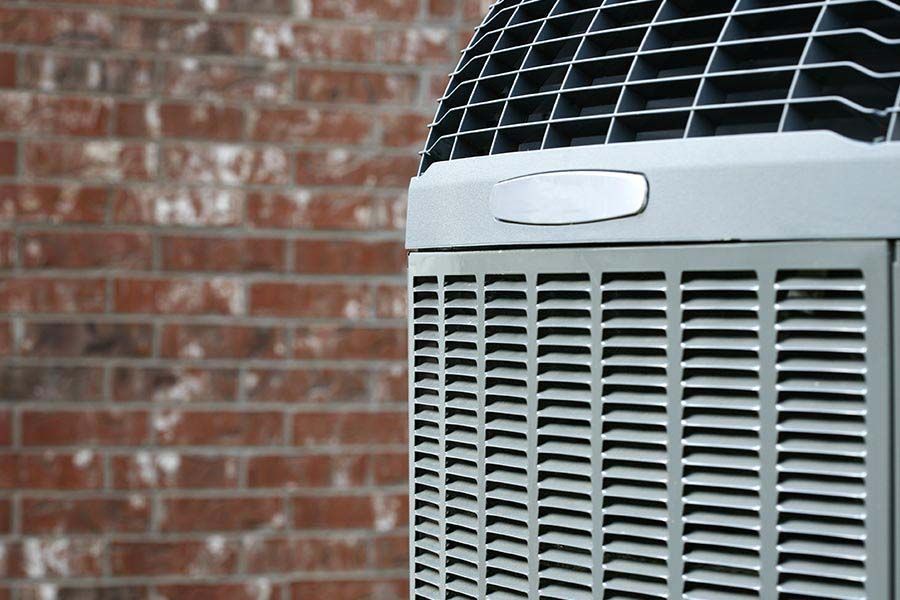
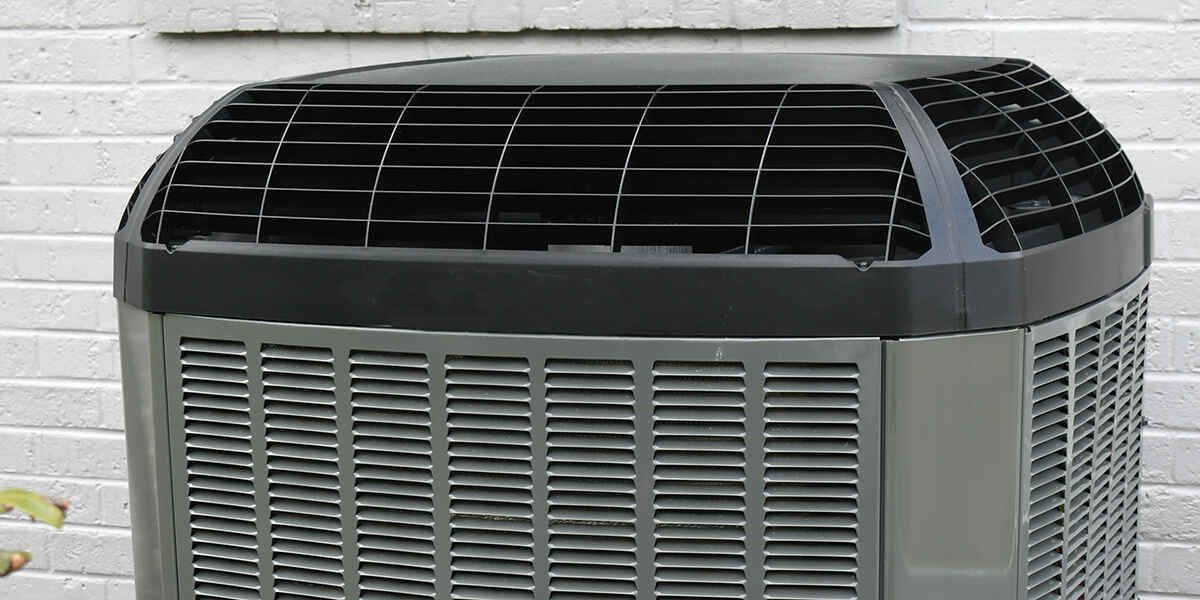
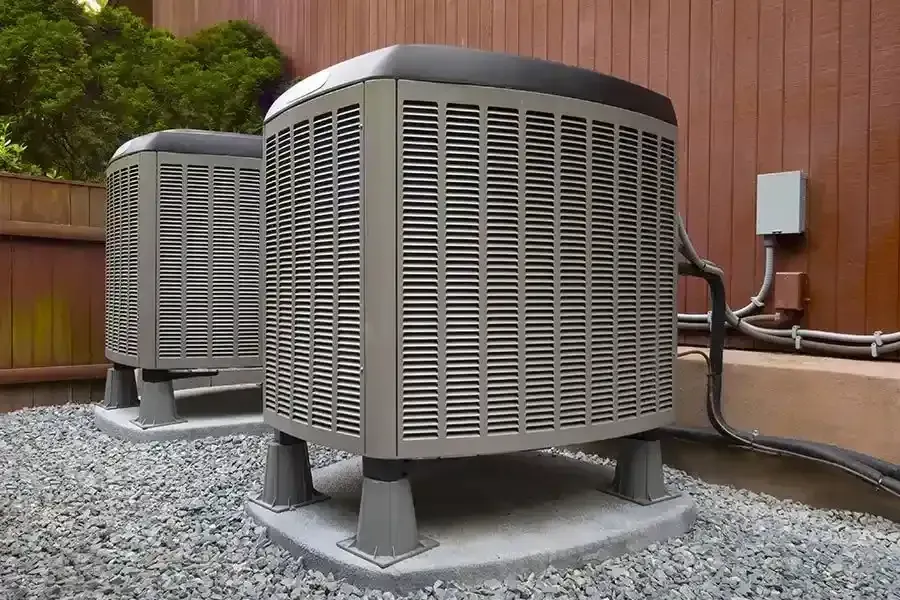
After evaluating your home’s energy needs, consider the ideal installation location for your heat pump to guarantee maximum efficiency and performance. Position the outdoor unit with adequate airflow, avoiding obstructions like walls or shrubbery, which can hinder heat exchange. Ensure the site is level to prevent vibrations that might reduce the unit’s lifespan. Place the air handler centrally to distribute air evenly throughout your space. Avoid installing near heat sources or high-traffic areas to maintain the best operation. Check local codes and manufacturer guidelines for clearance requirements. A strategic location enhances the system’s efficiency and longevity, providing a comfortable environment for those you care for. Remember, the right spot can significantly impact your heat pump’s effectiveness.
Ensuring Proper Insulation
Proper insulation is essential to optimize your heat pump’s efficiency by minimizing heat loss and guaranteeing consistent temperature control. Begin by evaluating your home’s thermal envelope, focusing on walls, ceilings, and floors. Use materials like fiberglass, foam board, or spray foam for superior R-values that prevent thermal bridging. Check windows and doors for drafts, and install weatherstripping or caulking to seal gaps.
Insulate ductwork to reduce thermal losses during air distribution. Consider upgrading to double-glazed windows, which enhance thermal insulation. Pay attention to attic and basement spaces, which often contribute to heat escape. By enhancing insulation, you not only improve comfort but also support energy efficiency, decreasing utility costs and promoting environmental sustainability. Your efforts guarantee a warm, inviting space for those you serve.
Preparing Electrical Systems
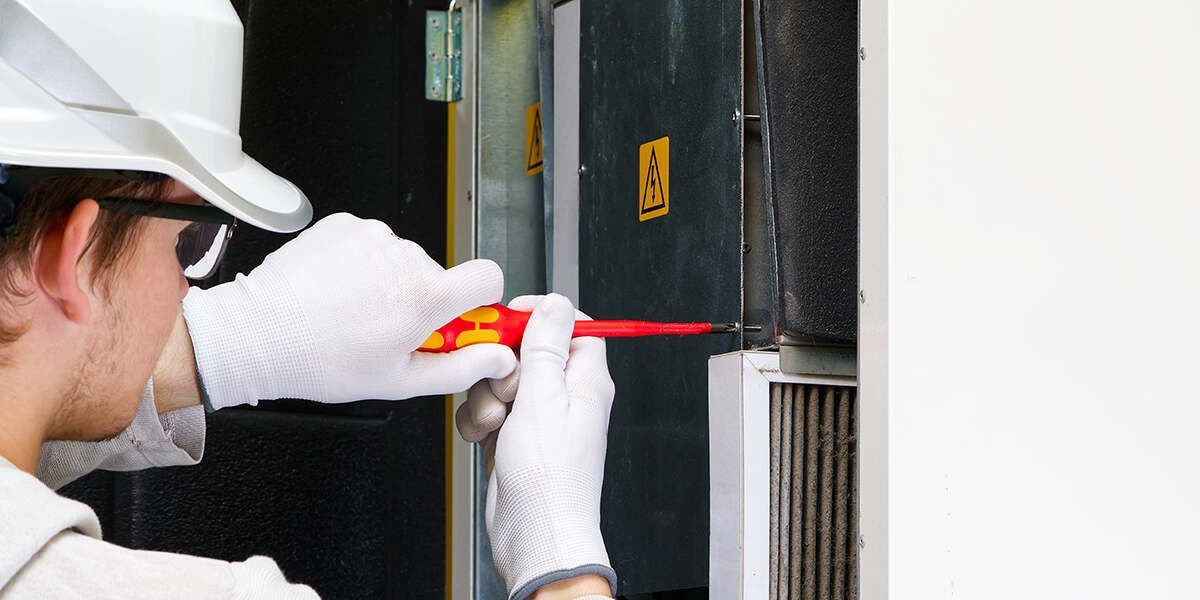
Before installing a heat pump, verify your home’s electrical system is up to code and capable of handling the additional load by consulting a licensed electrician for an evaluation and necessary upgrades. This guarantees safety and efficiency, preventing potential circuit overloads or electrical hazards. Confirm that your electrical panel has sufficient capacity and is compatible with the heat pump’s power requirements. The electrician may recommend upgrading the circuit breaker or installing a dedicated circuit to support the new system if necessary. Additionally, verify all wiring is in good condition and meets local electrical codes. By addressing these aspects, you’ll create a reliable foundation for your heat pump, contributing to its longevity and your home’s comfort while effectively serving your family’s needs.
Clearing Installation Area
Once you’ve confirmed the electrical system is ready, clear the installation area by removing any obstructions and guaranteeing ample space for the heat pump’s components and airflow. This guarantees peak operation and efficiency. Follow these steps:
- Clear Debris: Remove leaves, dirt, and other clutter from around the outdoor unit. This prevents airflow blockage and equipment damage.
- Ensure Accessibility: Provide at least 24 inches of clearance around the unit for maintenance and repairs. This facilitates technician access and prolongs equipment life.
- Level the Surface: Confirm that the installation surface is stable and level. This minimizes vibration, reduces noise, and guarantees proper drainage.
Attention to these details enhances system performance and reflects your commitment to creating a comfortable environment for those you serve.
Understanding Ductwork Requirements
Assess the existing ductwork for compatibility with the new heat pump system to guarantee peak performance and efficiency. First, evaluate the duct size—undersized ducts can restrict airflow, causing inefficiencies. Verify ducts are adequately sealed to prevent air leaks, which can significantly reduce system performance. Use mastic or foil-backed tape for sealing, as these materials offer durability and effectiveness. Consider the insulation of the ductwork, especially in unconditioned spaces, to minimize energy loss. Inspect for any obstructions or debris that might hinder airflow, as clear ducts verify the ideal distribution of conditioned air. Pay attention to the supply and return balance; an imbalance can lead to pressure differentials, affecting comfort. By confirming these elements, you’re enhancing your home’s comfort and efficiency.
Scheduling Professional Inspection
After evaluating your ductwork, schedule a professional inspection to ensure your heat pump system is installed correctly and efficiently. An inspection confirms that all components are set up to manufacturer specifications, allowing you to serve others comfortably. Here’s what to expect during the process:
- System Evaluation: A certified technician will assess the heat pump and associated electrical connections, verifying they meet safety standards and operate at peak performance.
- Airflow Analysis: The technician will measure airflow and pressure levels to confirm that your system delivers ideal heating and cooling throughout your home.
- Refrigerant Check: Proper refrigerant levels are essential. The technician will verify these levels to avoid energy inefficiency and costly repairs.
Taking these steps guarantees your heat pump serves you and others effectively.
Planning for Maintenance Access
The heat pump installation site guarantees easy access for routine maintenance and servicing, optimizing system longevity and performance reliability. Prioritize clear pathways for technicians to reach both indoor and outdoor units. Ascertain at least 24 inches of clearance on all sides, facilitating unobstructed access to components like filters, coils, and electrical connections. Consider the placement of the condensate drain to prevent obstruction or leakage issues. Providing proper lighting and secure footing around the units enhances service efficiency and safety. Implement labels to quickly identify system components and access points. Regularly check that vegetation or stored items don’t encroach on the service area. By planning this accessibility, you ascertain the heat pump operates at peak efficiency, serving others effectively.
Testing the System Post-Installation
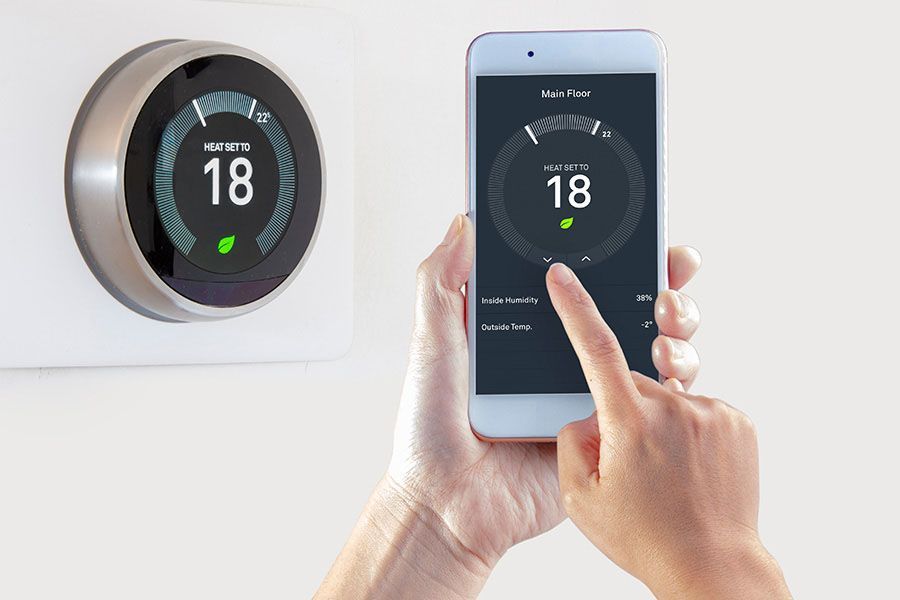
Once your heat pump is installed, initiate an extensive system test to confirm all components operate correctly and efficiently. Start by checking the thermostat settings to verify accurate temperature control. Verify that the airflow is unobstructed and balanced throughout your home. Listen for any unusual noises indicating potential issues. Here’s a quick checklist to guide your diagnostics:
- Thermal Response: Set the thermostat and observe how quickly the system reaches the desired temperature. This tests the heat pump’s responsiveness.
- Airflow Audit: Inspect vents and ducts for blockages and measure air pressure, guaranteeing ideal circulation and distribution.
- Electrical Examination: Inspect all electrical connections and circuit integrity for safety and reliability.
Conclusion
By prepping your home for a heat pump, you’re not just ensuring comfort but echoing Daedalus’ meticulous craftsmanship. Optimize insulation and confirm your electrical system’s capacity, ensuring your abode is as energy-efficient as Athena’s wisdom. Don’t overlook ductwork or maintenance access; like Hephaestus, precision matters. Schedule that professional inspection and perform rigorous post-installation testing. With these steps, you’ll achieve an Olympian level of efficiency and comfort, transforming your home into an energy-efficient fortress.
Frequently Asked Questions
How Does Weather Affect the Performance of a Heat Pump?
Weather directly impacts your heat pump’s efficiency. In colder temperatures, it works harder to extract heat, lowering efficiency. Proper insulation and maintenance can enhance performance, especially during extreme conditions, guaranteeing your home’s comfort and energy savings.
Can a Heat Pump Be Used for Both Heating and Cooling?
Like Janus, the Roman god of beginnings, a heat pump serves dual roles. It transfers thermal energy to provide heating and cooling. You’ll optimize comfort and efficiency, benefiting others in your care.
What Is the Average Lifespan of a Heat Pump?
You’re considering a heat pump’s lifespan, which averages 10-15 years. Regular maintenance guarantees efficiency, such as cleaning filters and checking refrigerant levels. Prioritize professional servicing to extend longevity and consistently deliver ideal comfort to those you serve.
Are There Any Noise Considerations for Indoor Heat Pump Units?
Imagine a gentle hum rather than a roaring distraction. You should consider decibel ratings and placement to minimize noise. Opt for units with sound-dampening features, ensuring your home’s comfort doesn’t disturb your peaceful atmosphere.
How Do I Determine the Right Size of Heat Pump for My Home?
Calculate your home’s heating and cooling load using a Manual J calculation to determine the correct size. Consider factors like square footage, insulation, and climate. Consult a professional to guarantee peak efficiency and comfort for those you serve.