How AC Airflow Problems Impact Indoor Comfort in Richmond, KY, Homes
If you've ever felt a noticeable difference in temperature from room to room in your Richmond, KY home, you're not alone. AC airflow problems can make your space uncomfortable and even lead to higher energy bills. These issues often go unnoticed until they escalate, affecting not just your comfort but your indoor air quality as well. Understanding the root causes and signs of poor airflow can help you take steps toward a more pleasant living environment.
Understanding Airflow in Your AC System
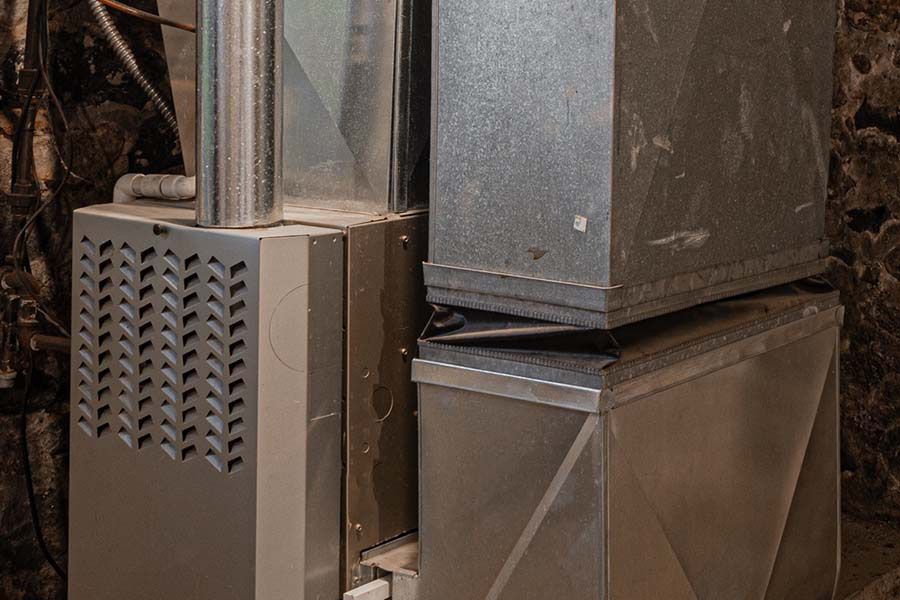
When your air conditioning system struggles with airflow, it can greatly impact your indoor comfort. Understanding how airflow works in your AC system is essential. Your system relies on a combination of fans, ducts, and filters to circulate cool air throughout your home.
If any part of this system isn't functioning properly, you'll notice hot spots and uneven cooling. The air must flow freely through the ducts to maintain a consistent temperature. Blockages, such as dust or debris in the filters, can restrict airflow, leading to inefficiencies.
Furthermore, the size and layout of your ductwork play an important role in ensuring even distribution of air. Regular maintenance and inspections can help you identify potential issues before they escalate. This is especially important because regular maintenance ensures a comfortable living environment during hot months.
Common Causes of Airflow Issues
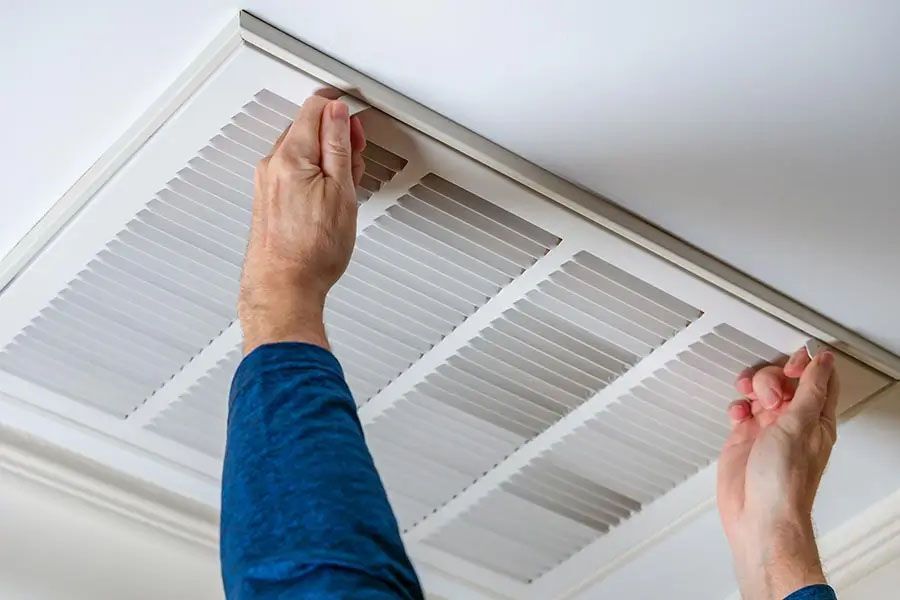
Airflow issues in your AC system can stem from several common causes that impact your indoor comfort. One of the primary culprits is a dirty air filter. When the filter gets clogged, it restricts airflow, making your system work harder and less efficiently.
Ductwork problems can also lead to reduced airflow. Leaks, blockages, or poorly designed ducts can prevent conditioned air from reaching your living spaces. Furthermore, closed or blocked vents can trap air, causing uneven temperatures throughout your home.
Another factor is the size of your AC unit; if it's too large or too small for your space, it can create airflow imbalances. Finally, a malfunctioning blower motor may not push air effectively, leading to decreased comfort. Regular maintenance can significantly improve airflow and enhance system efficiency by addressing these common issues.
Signs of Poor Airflow in Your Home
If you notice uneven temperatures in your home, it could be a sign of poor airflow. You might feel hot spots in some rooms while others stay cold, indicating your HVAC system isn't distributing air effectively.
Another clue is if you hear unusual noises, like rattling or whistling, when your AC is running. These sounds can signal blockages or ductwork issues.
Furthermore, if you find dust accumulating around vents or on furniture more than usual, it could mean your system is struggling to circulate air properly.
You might likewise notice increased humidity levels, making your home feel uncomfortable.
Finally, if your energy bills spike without a change in usage, it could indicate your AC is working overtime to compensate for airflow problems. Regular maintenance can help identify and mitigate these ductwork issues before they escalate.
Addressing these signs early can save you from bigger issues down the road.
Impact of Airflow Problems on Indoor Comfort
While you mightn't realize it, poor airflow can greatly affect your indoor comfort. When your AC system struggles to circulate air effectively, you may notice uneven temperatures throughout your home. Some rooms might feel stiflingly hot, while others remain uncomfortably cold. This inconsistency can make it hard to relax, sleep, or enjoy your living spaces.
Furthermore, inadequate airflow can lead to increased humidity levels, creating a muggy environment that feels oppressive. It can likewise cause allergens and pollutants to linger, worsening air quality and potentially aggravating respiratory issues. Regular AC maintenance is crucial to prevent these airflow problems from occurring.
If you're experiencing discomfort, it's crucial to address airflow problems promptly. Ignoring these issues can lead to higher energy bills and unnecessary wear on your HVAC system.
Ultimately, ensuring proper airflow is key to creating a comfortable, healthy home environment where you can truly unwind and thrive.
Solutions for Improving AC Airflow Efficiency
Addressing airflow problems not only improves your comfort but also boosts the efficiency of your AC system.
Start by checking and replacing your air filter regularly. A clean filter guarantees unobstructed airflow, allowing your system to work efficiently.
Next, inspect your ductwork for leaks or blockages. Sealing these gaps can greatly improve airflow throughout your home.
You should also consider adjusting your vents; make sure they're open and unobstructed by furniture or curtains. This helps air circulate freely.
If you're still facing issues, it might be time to consult professionals like Watson Heating & Air. They offer expert assessments and solutions tailored to your home's needs.
Conclusion
So, if you enjoy living in a sauna while paying premium prices for the privilege, by all means, ignore your AC's airflow issues. But if you'd rather not host a swamp party in your living room, it's time to
tackle those airflow problems. Your comfort—and your wallet—will thank you. After all, who needs fresh air when you can bask in the glory of stale humidity? Let's face it: a little maintenance goes a long way!